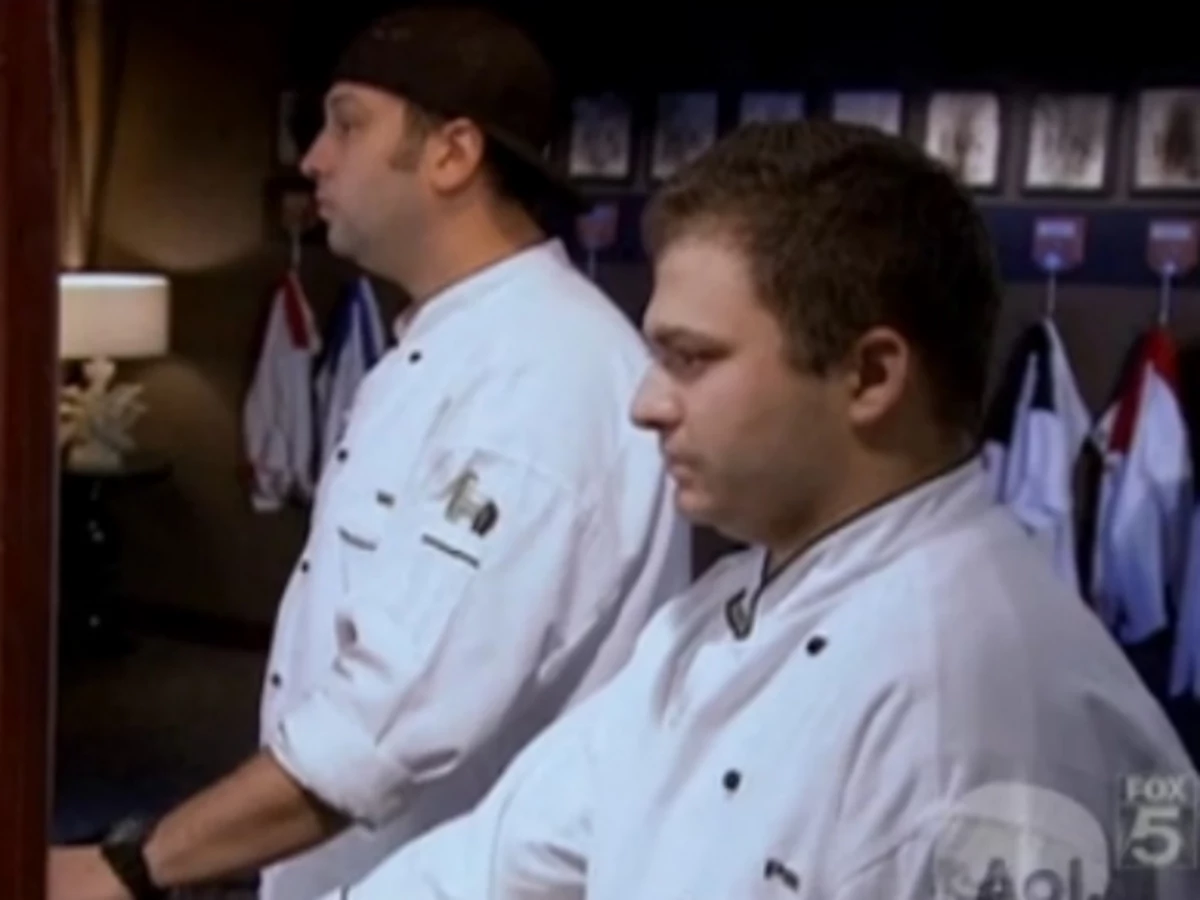
If you close your eyes and think back to 2011, the image of a sweat-drenched, emotionally exhausted chef standing under a shower of confetti probably comes to mind. That was Paul Niedermann. He wasn't just the winner of Hell's Kitchen Season 9; he was the guy who survived one of the most notoriously "personality-heavy" casts in the history of the show. Seriously. Think about the Elise Harris drama. Think about the sheer volume of screaming in that dorm.
Paul won. He beat out Will Lustberg in a finale that felt like a coin toss between two titans. But the question people always ask a decade later isn't just "who won?" It’s what happened after the cameras stopped rolling and the fire in the intro sequence died down.
The Brutal Reality of Winning Gordon Ramsay’s Approval
Winning this show isn't a golden ticket to a permanent vacation. It’s an audition for a job that’s actually really hard. When Paul Niedermann became the winner of Hell's Kitchen Season 9, he earned a $250,000 salary and a "Head Chef" position at BLT Steak in New York City.
Here is the thing about the "Head Chef" title on reality TV: it’s often more of a "Senior Sous Chef" or "Chef de Cuisine" role under an Executive Chef who has been there for years. Paul didn't just walk in and own the place. He had to prove he wasn't just a TV character. He actually stayed at BLT Steak for a significant chunk of time, which is more than you can say for a lot of winners who take the cash and run.
He worked. He ground it out. He dealt with the NYC dinner rush.
The Season 9 finale was particularly interesting because of the "sabotage" factor. Will, who many thought was the frontrunner, chose Elise for his team. Paul chose Carrie. If you watched that season, you know that was like choosing between a tornado and a wildfire. Paul’s ability to manage Carrie—a chef he didn't even particularly like—is arguably what convinced Gordon Ramsay he was ready for the big leagues.
Why Paul Niedermann Still Matters in the HK Universe
A lot of winners fade into the background. They open a small catering business or go back to being a line cook in their hometown. Paul stayed in the orbit. He showed up in later seasons as a guest judge and a returning winner for a reason.
He had heart.
Most people remember the "Red Team" being a total disaster of infighting, but the "Blue Team" that year had a genuine bond. Paul and Will were "The Deal." They were supposed to be the final two from day one. When Paul won, it felt like a victory for the "regular guy" who just happened to be a savant with a pan.
Life After the Blue Jay
After his stint at BLT Steak, Paul didn't just retire. He moved back to Florida. He's a Florida guy at heart. He took a position at Hudson’s on the River in Stuart, Florida. Then he moved on to SALT 7 in Delray Beach.
If you go to Delray Beach today, you see his influence everywhere. He’s the Executive Chef at SALT 7. He isn't just flipping burgers; he’s designing high-end menus that include things like wagyu beef and intricate sushi rolls. He survived the Ramsay gauntlet and actually built a sustainable career in a brutal industry.
He’s also lost a significant amount of weight since his time on the show. If you see a photo of him now, you might not even recognize the guy from the Season 9 posters. It’s a total transformation. It shows a level of discipline that most people—even those who win reality shows—don't usually keep up once the spotlight shifts to the next season.
The Elise Factor and the Stress of Season 9
We can't talk about the winner of Hell's Kitchen Season 9 without talking about the environment he won in. It was toxic. Season 9 is widely regarded by fans on Reddit and cooking forums as one of the most "stressful" seasons to watch.
Elise Harris was the "villain" of the year. Her constant clashing with Jennifer and Carrie created a vacuum of energy. Paul managed to stay out of the weeds. While everyone else was screaming, he was focusing on his risotto. That’s the secret sauce.
- Consistency: He rarely had a "bad" service.
- Leadership: He spoke up when it mattered.
- Adaptability: He worked with whoever Ramsay threw at him.
Honestly, the finale was one of the few times the show felt like a legitimate professional competition rather than a soap opera. Both Paul and Will were excellent. Ramsay even noted that it was one of the hardest decisions he’d ever made. Will’s mistake was his team management in the final service; Paul’s strength was his ability to inspire a group of people who were tired and ready to go home.
The Financial Truth of the Prize
There is a common misconception that the winners get a check for $250,000 on night one. It doesn't work like that. The prize is a one-year contract. If the winner chooses not to take the job, or if they aren't "fit" for the role after a trial period, they don't get the full payout.
Paul took the job. He put in the hours. He lived the NYC life.
It’s important to realize that Hell's Kitchen is a job interview that lasts six weeks and is broadcast to millions. Paul understood the assignment. He treated it like a career move, not a 15-minute fame grab.
What Most People Get Wrong About Paul’s Win
Some fans argue that Will was the better technical chef. Maybe. But Ramsay doesn't just hire the best cook; he hires the best leader. Paul had an emotional resonance. His story about his late mother, which he shared throughout the season, wasn't just "reality TV fodder." It was his genuine motivation.
You could see it in his eyes during the "pass" challenge. When Paul took control of the kitchen, he wasn't just shouting orders; he was directing a symphony. Will, as great as he was, got a bit quiet when the pressure hit its peak. Paul got louder.
Actionable Insights for Aspiring Chefs
If you are looking at Paul Niedermann’s trajectory as a blueprint for success, there are a few things to take away. Winning a title is just the beginning.
- Accept the "Less Than" Roles First: Paul didn't walk into BLT Steak and demand the keys to the building. He worked under the existing structure. Even as a "winner," you have to earn the respect of the local staff who have been there for years.
- Location Matters: Paul knew Florida was his home base. He used his NYC experience to become a "big fish" in a smaller pond back south. If you want to make a name for yourself, sometimes leaving the major hubs (like NY or LA) allows you to have more creative control.
- The Grind Never Stops: Even in 2026, Paul is still in the kitchen. He’s not just a "brand ambassador." If you want to stay relevant in the culinary world, you have to keep cooking.
- Manage the Personal Brand: Paul leveraged his HK win to build a following, but he didn't let it define him. He evolved. He changed his health, he changed his cooking style, and he stayed out of the "reality TV cycle" of doing every show that called him.
The legacy of the winner of Hell's Kitchen Season 9 is one of the few that actually holds up under scrutiny. He wasn't a flash in the pan. He was a professional who used a chaotic platform to launch a legitimate, decades-long career.
If you find yourself in South Florida, go to SALT 7. Look at the menu. That’s what a Hell's Kitchen win looks like when the person behind it actually has the talent to back up the trophy. It’s not about the confetti; it’s about the fourteen-hour shifts that happen three years later. Paul Niedermann is the living proof that the show can actually produce a top-tier chef if the right person walks through those red and blue doors.
To keep track of Paul's current ventures, follow his social media updates or check the latest menu rotations at SALT 7 in Delray Beach. He remains one of the most accessible and hard-working winners in the show's history, often seen in the dining room interacting with guests who remember his Season 9 journey.