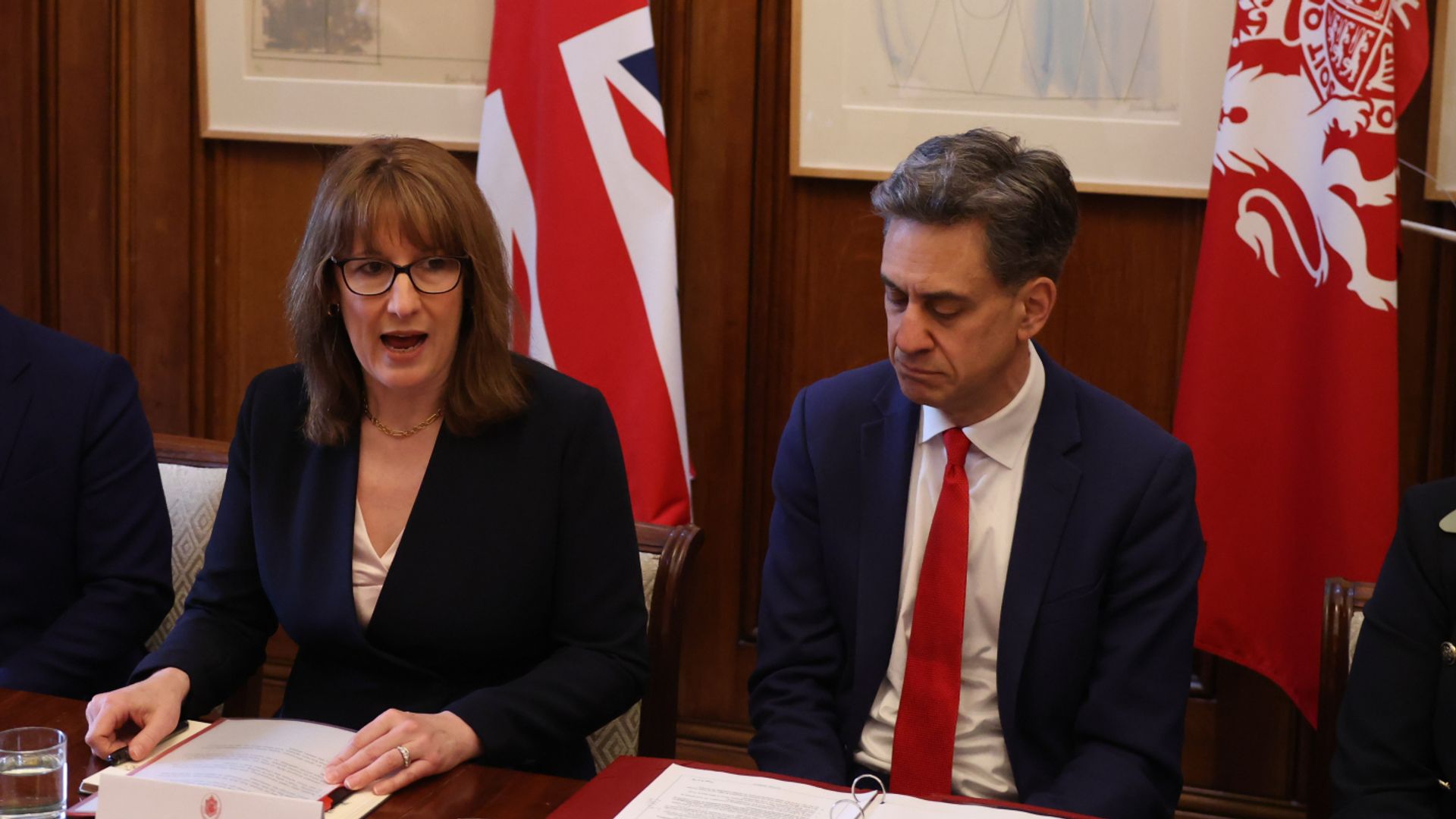
Energy Secretary Claire Coutinho isn't pulling any punches lately. She recently hauled fuel bosses into a high-stakes meeting to demand answers about why drivers are still getting squeezed at the pumps. For months, there’s been a growing suspicion that while wholesale costs drop, the savings aren't reaching your tank. It’s a classic case of "rockets and feathers"—prices shoot up like a rocket when oil gets expensive but drift down like a feather when the market cools.
This isn't just a casual chat over coffee. The government is leaning on the Competition and Markets Authority (CMA) to keep a permanent eye on these margins. If you feel like you’re being ripped off every time you fill up, you’re probably right. Data suggests that supermarket margins on fuel have surged significantly compared to pre-pandemic levels. The era of the "loss leader" petrol station, where supermarkets lured you in with cheap diesel to get you to buy groceries, seems to be dead.
The Gap Between Wholesale and Forecourt Reality
Most people think petrol prices strictly follow the global price of crude oil. It’s not that simple. Retailers look at the "refined" cost of petrol and diesel, which fluctuates based on refinery capacity and regional demand. However, the current tension stems from the fact that even after accounting for those shifts, the profit per liter has stayed stubbornly high.
In the recent meeting, ministers highlighted that transparency is the biggest weapon against overcharging. We’ve seen a massive push for a "Pumpwatch" scheme. This would force retailers to share live pricing data so third-party apps can show you the cheapest fuel in your immediate area in real-time. Right now, finding the best price often feels like a guessing game or a lucky break as you drive past a specific sign.
Retailers argue that their operating costs—electricity for the stations, wages, and transport—have all skyrocketed. They claim the higher margins are a necessity for survival, not a greedy cash grab. But when you look at the billions in profits some of these parent companies are posting, that argument starts to feel pretty thin. Ministers are essentially telling them the "excuse era" is over.
Why Supermarkets Stopped Competing on Price
For decades, Asda was the price leader. If Asda cut prices, Tesco, Sainsbury’s, and Morrisons followed suit within hours. That race to the bottom benefited everyone with a car. Lately, that aggressive competition has evaporated. Since ownership changes at some of the major chains, the focus has shifted from volume to margin.
The CMA’s road fuel market study previously found that weakened competition cost drivers about £900 million in a single year. That’s not a rounding error. It’s a direct hit to the pockets of families already struggling with a cost-of-living crisis. Ministers are using these meetings to signal that they won't let "margin creep" become the new normal. They’re basically threatening tougher regulation if the industry doesn’t police itself.
The Role of Independent Forecourts
It’s a mistake to think the big four supermarkets are the only players. Independent stations often have much higher overheads because they don't have the buying power of a massive grocery chain. Ironically, in some parts of the country, you’ll now find independent stations undercutting the big brands.
This shift happened because independents are often faster to react to local market shifts. If a local supermarket keeps prices high, an independent owner might drop theirs by 2p just to steal the morning commute traffic. The government wants to encourage this kind of scrappy competition, but it only works if drivers have the data to find those cheaper pumps.
What Real Transparency Looks Like
The proposed "Fuel Finder" scheme is the centerpiece of the government’s strategy. It isn't just about a fancy app. It’s about a legal requirement for retailers to report price changes within 30 minutes. This level of granularity prevents "tacit coordination," where stations just wait for their neighbor to move before changing their own digits.
Some critics argue that meetings and "stern warnings" are just political theater. They say without a hard cap on margins or a cut in fuel duty, nothing will change. Fuel duty has been frozen for years, which the government points to as their contribution to keeping costs down. Their logic is simple: "We’ve done our bit by freezing tax; now you do yours by lowering margins."
Breaking Down the Cost of a Liter
To understand the frustration, you have to look at where your money goes when you pay £1.50 for a liter of petrol. Roughly 35% is the wholesale cost of the fuel itself. Another 35-40% is fuel duty and VAT. The remaining bit covers delivery, marketing, and the retailer's profit. When that last sliver grows from 2p to 8p or 10p, it adds up to hundreds of millions across the national fleet.
Ministers are focusing on that specific sliver. They can't control the price of Brent Crude, but they can definitely influence how much extra the retailer tacks on for the "convenience" of using their pump.
Moving Toward Accountability
If you’re tired of overpaying, the best thing you can do is stop being loyal to a specific brand. Use the tools currently available, like PetrolPrices or other crowdsourced apps, even before the official government version goes live. High-margin retailers only lower prices when they see their volume drop.
Check your tire pressure too. It sounds like a dad-joke tip, but under-inflated tires can tank your fuel economy by 3%, making even "cheap" fuel expensive in the long run.
The pressure from the Energy Department is a start, but the real change happens when the big retailers feel the sting of empty forecourts. If they won't listen to a minister in a boardroom, they'll definitely listen to a drop in their quarterly earnings. Don't wait for the government to fix the price. Use the data available now to find the stations that aren't taking advantage of the current market volatility. Stop rewarding expensive retailers with your business and start forcing them to compete for your money again.


