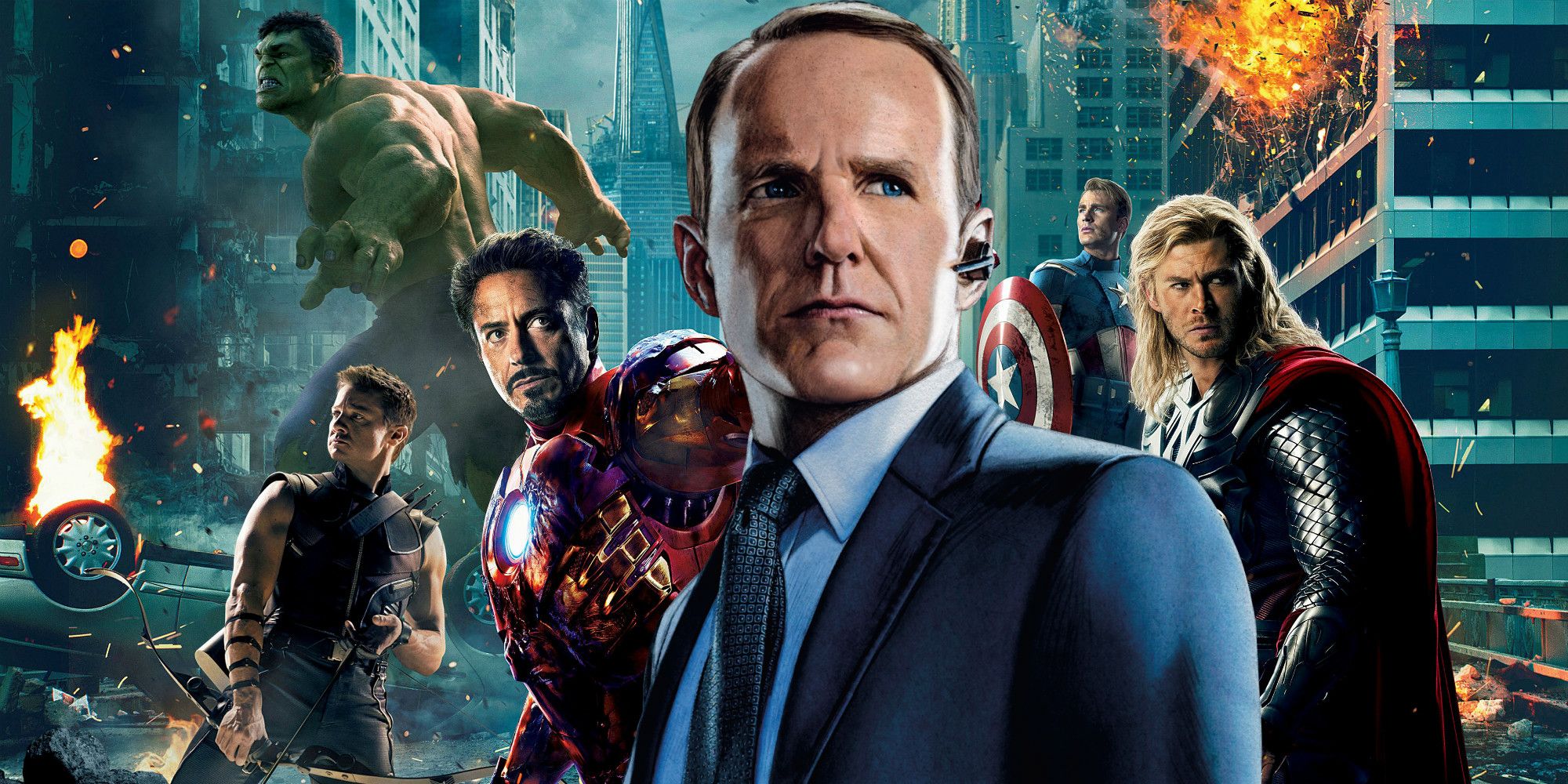
Phil Coulson shouldn't have been alive. We all saw it. Loki’s scepter through the heart in The Avengers was pretty definitive. But then Agents of S.H.I.E.L.D. happened, and suddenly he’s back, breathing, and leading a team. It was "alien voodoo," specifically Kree blood from Project T.A.H.I.T.I., that stitched him back together.
Fast forward to the season 4 finale. The team is up against Aida, an LMD turned flesh-and-blood powerhouse with more abilities than a Swiss Army knife. She’s teleporting, she’s healing—she’s basically invincible. Robbie Reyes, the resident Ghost Rider, can’t get close enough to her because she knows he's the only thing that can actually kill her.
So, Coulson does the unthinkable. He makes a deal.
The Moment Phil Coulson Became Ghost Rider
The scene is honestly one of the coolest "wait, what?" moments in the entire MCU. Aida thinks she’s winning. She’s gloating. Then Coulson looks her in the eye, and his face starts to bubble. The skin sloughs off, the hellfire erupts, and for a few glorious seconds, we get Phil Coulson Ghost Rider.
It was a trap. Aida didn't expect the Spirit of Vengeance to jump hosts. She thought she was safe as long as Robbie was at a distance. Coulson, being the tactical genius he is, let the Rider inhabit him just long enough to grab Aida and burn her out of existence.
It worked. But the Spirit of Vengeance doesn't do favors for free.
The Price Nobody Talked About
For a long time, the show kept us in the dark about what the deal actually was. Robbie Reyes looked at Coulson afterward and said, "I don't envy you." That's a heavy line coming from a guy who spends his nights dragging souls to hell.
Basically, the Spirit of Vengeance is a purist. It saw the Kree blood in Coulson’s system as an "unnatural" extension of life. It’s like a cosmic glitch that the Rider wanted to fix.
The deal was simple: the Rider would help kill Aida, but in exchange, it would burn away the "alien voodoo" keeping Coulson’s heart beating.
- The Wound: The hole Loki left in his chest? It came back.
- The Decay: Without the GH-325 serum, Coulson’s body started to die. Again.
- The Secret: He kept this from the team for almost an entire season.
Why It Matters for the MCU
You’ve gotta realize how much this reshaped the show's stakes. For years, Coulson was the immortal center of the series. By becoming the Phil Coulson Ghost Rider, he essentially signed his own death warrant to save his "family." It wasn't just a cool power-up; it was a suicide mission.
Honestly, the nuance here is what makes it better than your average superhero crossover. Most shows would have just had them team up and punch the bad guy. Agents of S.H.I.E.L.D. made it a tragedy. When the truth finally came out in the 100th episode, "The Real Deal," it was gut-wrenching.
The Spirit of Vengeance didn't want his soul—at least not in the traditional sense. It just wanted the universe to balance the books. Coulson cheated death once, and the Rider was the repo man.
Actionable Insights for Fans
If you're revisiting this arc or trying to explain it to a friend who only watches the movies, here’s how to frame it:
Watch the "Pod" Structure Season 4 is split into three sections: Ghost Rider, LMD, and Agents of Hydra. The Phil Coulson Ghost Rider moment is the culmination of all three. Don't skip the LMD stuff, or the weight of why they needed the Rider won't make sense.
Look at the Scars In later episodes, pay attention to Coulson’s chest. The show runners did a great job showing the physical toll. The black, necrotic tissue wasn't just makeup; it was the visual representation of the deal.
The LMD Loophole Remember that the Coulson we see in the final seasons isn't the "original" Phil. The original died in Tahiti with May. The one who continues the legacy is an advanced LMD with his memories. This distinction is vital because it means the "deal" was fully paid. The debt died with the man.
The Ghost Rider arc remains the peak of the series for many because it grounded the supernatural in character-driven consequences. It wasn't about the fire; it was about the sacrifice.
If you want to understand the full lore, go back and re-watch Season 4, Episode 22, "World's End." Watch the way Clark Gregg plays the transition. It’s not just a monster; it’s a man accepting his end.