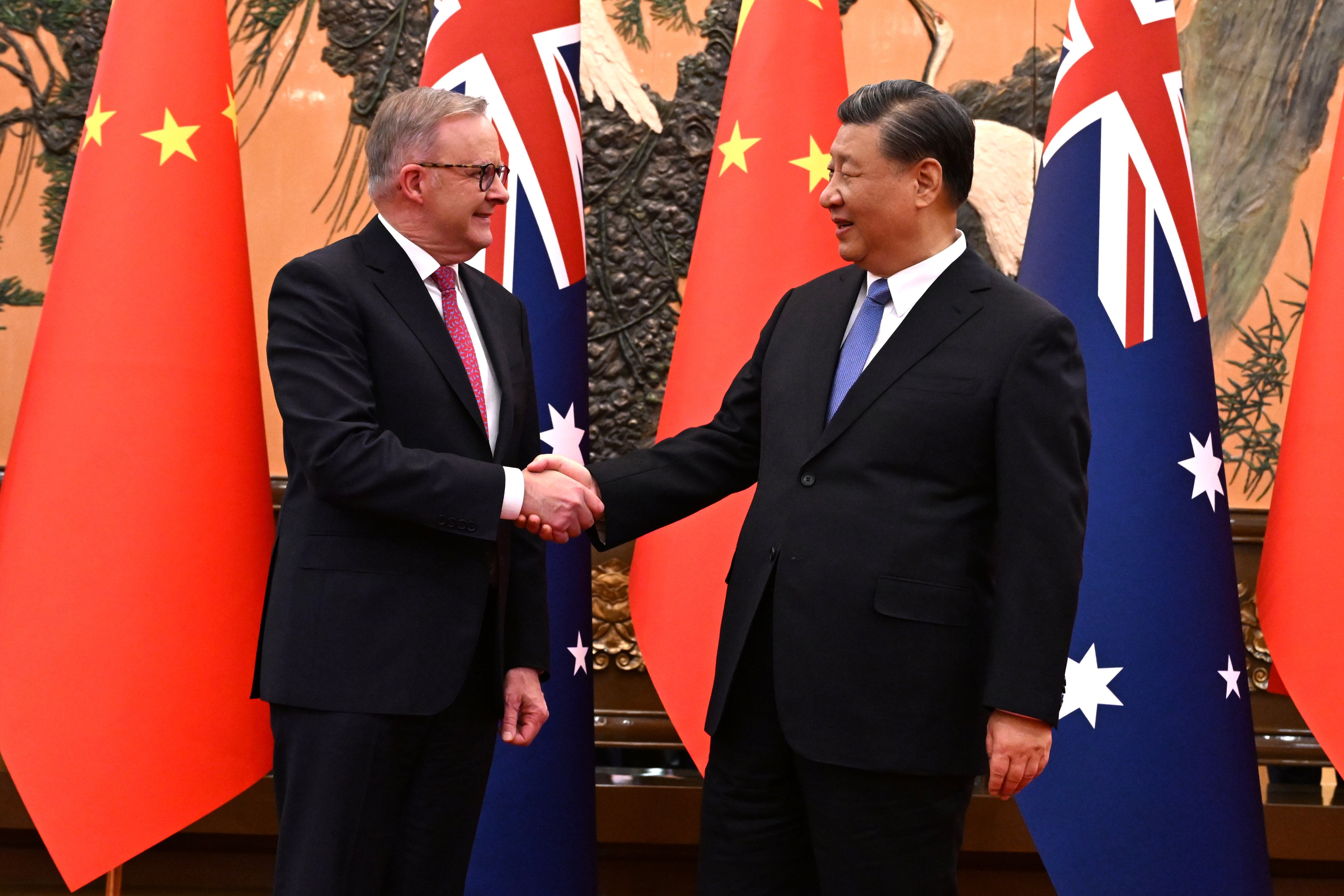
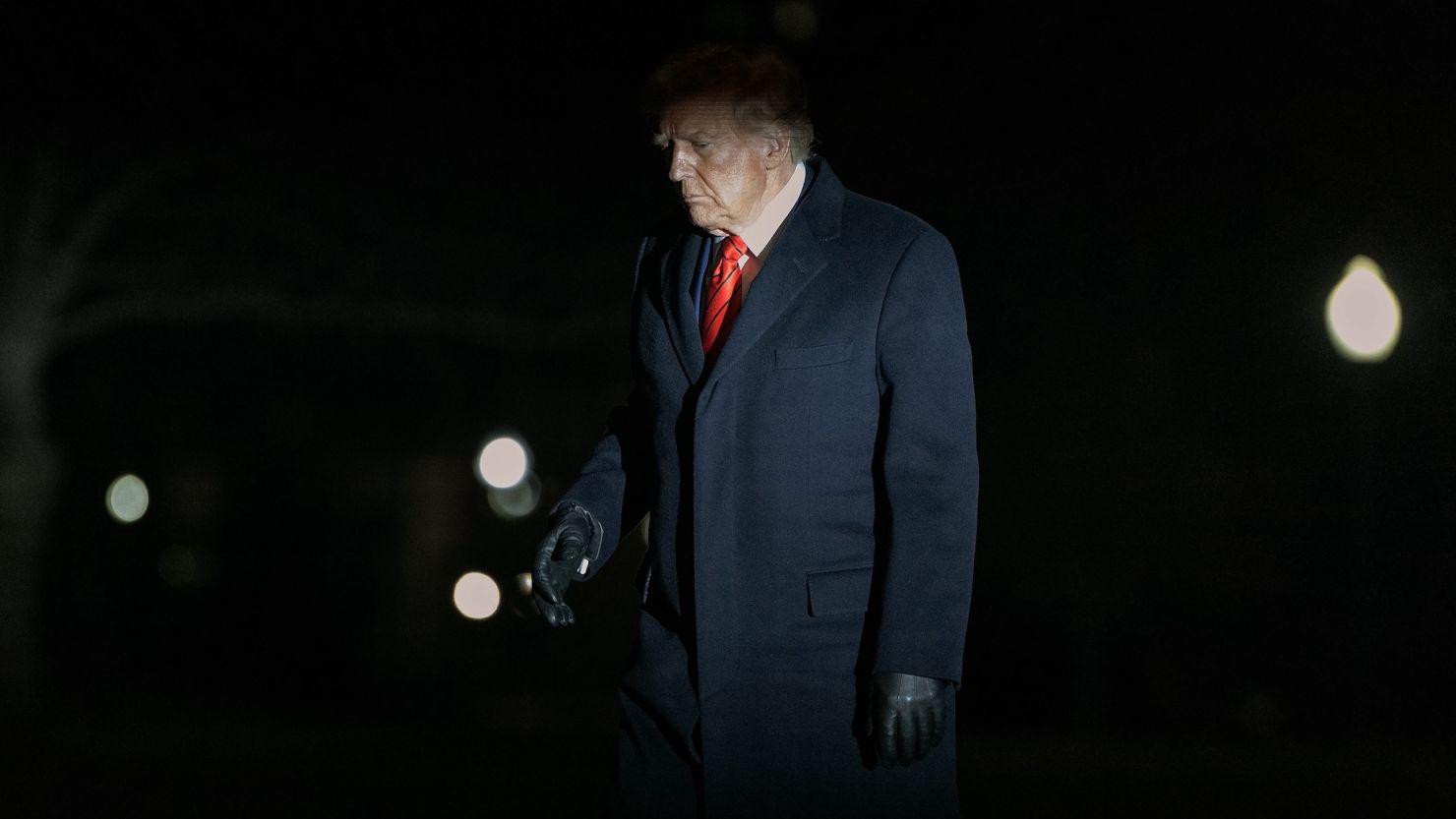
JD Vance arrived in Islamabad this weekend to do something he spent the last decade arguing was a fool’s errand. Tasked by President Donald Trump to close a definitive peace deal with Tehran, the Vice President instead emerged from twenty-one hours of grueling, airless negotiations with nothing but a "fragile truce" and a set of Iranian demands the administration cannot meet. The marathon session in Pakistan was supposed to be the moment the anti-interventionist wing of the MAGA movement proved it could settle through gritted-teeth diplomacy what the hawks couldn't settle with Hellfire missiles. Instead, it became a masterclass in the limits of personal brand versus the cold reality of Persian Gulf geopolitics.
Vance’s failure to secure a deal isn't just a diplomatic hiccup. It is a collision between his carefully cultivated identity as the "skeptic-in-chief" and the raw, transactional volatility of the Trump foreign policy doctrine.
The Negotiator Who Didn’t Want the War
To understand why the Islamabad talks hit a wall, you have to look at the baggage Vance carried into the room. Unlike Secretary of State Marco Rubio or the Pentagon’s top brass, Vance is a veteran of the Iraq War who built his political career on the premise that America’s Middle Eastern adventures were a catastrophic drain on the working class.
When the conflict ignited on February 28, Vance was the loudest voice in the Situation Room arguing for restraint. He warned that a regime-change war would shatter the MAGA coalition and plunge the global economy into a tailspin. He was right about the tailspin. But once the first Tomahawks were in the air, Vance found himself in an impossible position: a man who views the war as a mistake, now ordered to sell a "victory" to an adversary that knows he doesn't want to be there.
The Iranians aren't blind. They viewed Vance as their best hope for a soft exit, preferring him over hawks like Jared Kushner or Steve Witkoff. By choosing Vance to lead the delegation, Trump wasn't just sending his Vice President; he was sending a signal that the U.S. was looking for an out. However, that leverage evaporated the moment Vance sat down and realized he was tethered to Trump's "red lines"—specifically the total abandonment of Iran’s nuclear program and the immediate, unconditional reopening of the Strait of Hormuz.
The Strait of Hormuz Trap
While Vance was talking peace in a high-security compound in Islamabad, the Pentagon was busy "clearing the way" in the Persian Gulf. On Saturday, as negotiations were in their tenth hour, CENTCOM began minesweeping operations in the Strait of Hormuz.
This is the central friction of the Vance mission. You cannot play the "reluctant diplomat" while your boss is live-posting about clearing out the enemy's most valuable strategic asset. Iran’s Parliament Speaker, Mohammad Bagher Qalibaf, characterized the U.S. demands as "excessive," and it’s hard to argue from a purely tactical perspective. The U.S. wanted Iran to give up its nuclear leverage and its control over the world’s most vital oil chokepoint in exchange for a release of frozen assets and a "pause" in hostilities.
For the Iranians, that isn't a deal; it's a surrender document. Vance, despite his skepticism of the war, was forced to present it as the "final and best offer." The result was a stalemate that leaves the Middle East in a state of violent limbo.
A Vice Presidency in the Crosshairs
The Islamabad failure has immediate domestic consequences. Vance is currently the front-runner for the 2028 Republican nomination, but that status is built on his proximity to Trump. In the MAGA universe, there is no greater sin than failing to deliver on a "Deal."
Within the administration, a rift is widening. Sources within the White House indicate that Vance’s initial dissent against the war has cost him significant clout. By handing him the Iran portfolio, Trump gave Vance a poisoned chalice. If he succeeded, the President took the credit. If he failed—as he did this morning—the blame falls squarely on the Vice President’s inability to "close."
The Three Pillars of the Stalemate
- The Nuclear "Red Line": Trump demands an affirmative commitment that Iran will never seek a nuclear weapon. Iran views its nuclear program as its only insurance policy against the very regime change Vance once feared.
- The Hormuz Blockade: Iran has effectively shut down 20% of the world's oil transit. They will not reopen it without a full withdrawal of U.S. naval assets from the immediate vicinity—a move the Pentagon considers a non-starter.
- The Proxy Problem: The U.S. wants a total cessation of support for regional proxies in Lebanon and Yemen. Iran views these groups as its primary "forward defense" against Israel.
The Cost of the Reluctant Warrior
There is a specific irony in Vance’s current predicament. He is a man of the "New Right," a movement that prides itself on being "pro-worker and anti-war." Yet, here he is, presiding over a failure that ensures fuel prices will remain at record highs and the threat of a larger regional conflagration remains localized but lethal.
The "fragile truce" currently in place is a two-week pause that began last Tuesday. We are halfway through that window. Without a breakthrough in Islamabad, the U.S. and Israel are likely to resume strikes on Iran’s civilian infrastructure—power plants and bridges—which Trump has already threatened.
Vance’s departure from Pakistan at 7:00 AM today was a quiet affair. No fanfare, no joint statements, just a brief comment to reporters that the failure to reach an agreement is "bad news for Iran much more than it's bad news for the United States." That is a classic tough-talk deflection, but the reality is more nuanced. A failed peace process led by the Vice President emboldens the hawks in Washington who never wanted to talk in the first place.
The window for a "Vance Doctrine" of restrained, smart diplomacy is closing. If the guns start firing again on the day the truce expires, the Vice President won't just be the man who tried to end a war; he will be the man who couldn't stop it.
The next seventy-two hours will determine if this was a temporary setback or the beginning of a decade-long quagmire. As of this morning, the Navy is still sweeping for mines, and the Iranian delegation is headed back to Tehran with nothing but a list of demands they have already rejected. The hand was extended, but the grip was too tight. Vance is flying home to a President who does not tolerate second place and a political base that is starting to wonder if their anti-war champion is out of his depth.
The peace deal didn't die because JD Vance is a bad negotiator. It died because you cannot negotiate a way out of a war you never wanted to fight with a boss who is already planning the next strike.