Bruce Springsteen’s vocal condemnation of a presidential administration during a high-capacity live performance is not a random outburst of celebrity emotion; it is the activation of a specialized communication channel with unique psychological and logistical properties. When an artist of this stature utilizes a concert—specifically in a major media market like Los Angeles—to label an administration "reckless and treasonous," they are executing a strategic shift from cultural entertainment to high-stakes political signaling. This transition relies on three foundational pillars: the Emotional Resonance Catchment, the Media Velocity Multiplier, and the Legacy Trust Dividend.
The Mechanics of the Concert as a Political Platform
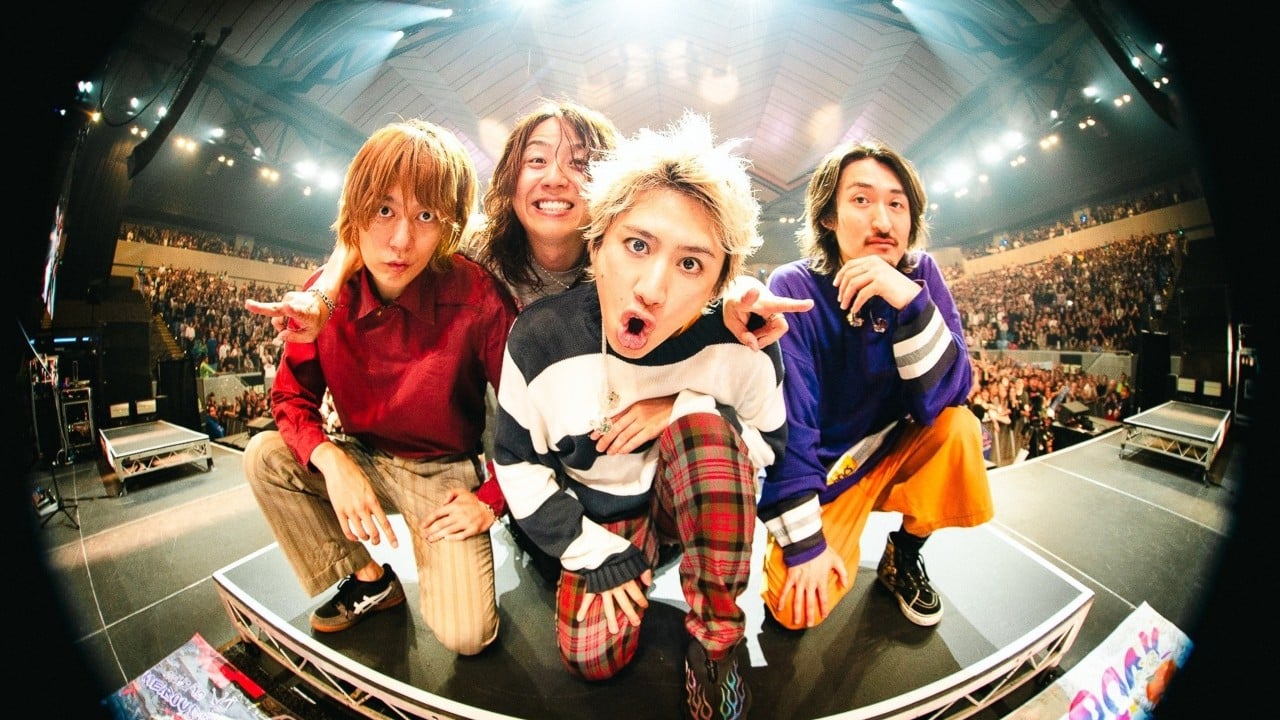
A stadium concert functions as a closed-loop environment where the barrier to entry is both financial and emotional. This creates a pre-filtered audience that possesses a high degree of receptivity to the artist’s worldview. While traditional political rallies are often viewed through a lens of skepticism or partisan fatigue, the concert environment utilizes music to bypass cognitive resistance.
The Three Pillars of Artist-Led Political Intervention
- Emotional Resonance Catchment: Music acts as a physiological primer. By the time a performer addresses a crowd between songs, the audience has likely experienced sustained periods of elevated dopamine and oxytocin. This state of heightened suggestibility makes political rhetoric feel like a natural extension of the shared communal experience rather than a disruptive lecture.
- Media Velocity Multiplier: An artist like Springsteen does not need a press release. The concert serves as a decentralized broadcast hub. Thousands of high-fidelity recording devices in the hands of the audience ensure that a thirty-second statement is digitized, uploaded, and disseminated across social platforms within minutes. This creates a "forced-entry" news cycle where traditional outlets must report on the event to remain relevant, granting the artist free earned media value that exceeds the cost of a standard political ad campaign.
- Legacy Trust Dividend: Springsteen’s specific brand identity—the "Boss," the voice of the working class—provides a layer of perceived authenticity. When he uses a term like "treasonous," it carries a different weight than when used by a career politician. The audience interprets the statement as a breach of a "sacred" musical space, which signals to the listener that the situation must be dire enough to warrant breaking the entertainment fourth wall.
Quantifying the Rhetorical Escalation
The choice of the word "treasonous" moves the critique from the realm of policy disagreement into the territory of existential threat. In political science, this is a form of Securitization, where a subject is framed as an urgent threat to the survival of the state, thereby justifying extraordinary measures or rhetoric.
The effectiveness of this escalation can be measured by the Contrarian Response Index. In a polarized environment, the goal of such a statement is rarely to convert the opposition; instead, it is designed to:
- Solidify the donor and activist base within the existing fan community.
- Pressure neutral high-net-worth individuals within the industry to take similar public stances.
- Force the opposing administration into a reactive posture, where they must choose between ignoring the "celebrity" (and appearing weak) or engaging with them (and elevating the artist’s platform).
The Infrastructure of Influence: Los Angeles as a Strategic Node
Selecting Los Angeles for this specific intervention is a calculated move regarding geographic influence. As a global hub for the "Attention Economy," Los Angeles provides the highest density of media professionals, industry influencers, and digital distributors. A statement made in a mid-western secondary market might linger in local headlines; a statement made in Los Angeles is a global "system update."
The concert venue acts as a high-pressure manifold. The physical density of the crowd creates a psychological phenomenon known as Emotional Contagion. Within this framework, the collective reaction—cheering, applause, or silence—validates the artist’s statement for the individual, creating a feedback loop that reinforces the political message. This is a level of consensus-building that is nearly impossible to replicate in digital-only environments.
The Cost Function of Celebrity Political Capital
Every political statement carries a risk of "brand dilution." For Springsteen, the cost function is calculated through the loss of a specific segment of his demographic: the conservative-leaning working class. However, the data suggests that for legacy artists, the Retention Rate of Core Supporters remains high because the political stance is integrated into the "artist’s truth," a core component of the product being sold.
The second limitation is Rhetorical Inflation. When terms like "reckless" and "treasonous" are used, the artist hits the ceiling of linguistic severity. Subsequent critiques may suffer from diminishing returns unless they are accompanied by direct action, such as fundraising or specific legislative advocacy.
Structural Differences in Persuasion Channels
Standard news reporting on the Trump administration focuses on policy metrics: tariff percentages, judicial appointments, or executive orders. Springsteen’s critique operates on a Moral-Intuitive Framework. He is not debating the merits of a specific tax bill; he is challenging the fundamental character of the leadership.
This creates a bottleneck for the administration’s counter-messaging. You cannot easily debunk a moral judgment with a spreadsheet. This creates a "credibility gap" where the artist occupies the high ground of "values," leaving the politician to scramble for the low ground of "logistics."
The Logic of the "Reckless" Categorization
By labeling an administration "reckless," Springsteen is targeting the concept of Institutional Stability. This specific critique appeals to the "Institutionalist" voter—someone who may not be a radical progressive but fears the erosion of democratic norms and global alliances.
This creates a specific cause-and-effect relationship:
- Stimulus: A perceived breach of political norms by the administration.
- Artist Processing: Framing the breach as "reckless" (a lack of care) and "treasonous" (a betrayal of duty).
- Output: A high-decibel, high-emotion delivery that re-categorizes the listener’s anxiety as a shared moral imperative.
- Result: Increased social friction and heightened political mobilization within the fan base.
Strategic Forecast: The Shift Toward the "Activist-Performer" Model
The precedent set by this level of rhetoric suggests a future where the distinction between a "touring artist" and a "political surrogate" is entirely erased. We are moving toward a model where tour dates in swing states or major media hubs are synchronized with legislative cycles.
The strategic play for political organizations is to move beyond the "celebrity endorsement" and toward Full-Stack Cultural Integration. This involves:
- Mapping fan demographics against voter registration data to identify "High-Propensity, Low-Activity" individuals.
- Utilizing the concert's physical footprint for on-site mobilization (voter registration, data harvesting).
- Developing "Post-Concert Activation" sequences where the emotional energy of the event is funneled into specific digital advocacy tasks.
The administration’s counter-strategy must involve de-escalating the artist’s "Expertise" while acknowledging their "Experience." Attempting to silence the performer only validates the "treasonous" narrative by suggesting a suppression of dissent. Instead, the strategic response is to frame the artist as a member of the "Economic Elite" who is disconnected from the material realities of the very "working man" they claim to represent. This creates a "Class-Authenticity Paradox" that can neutralize the artist's moral authority without triggering a free-speech backlash.
The performance in Los Angeles confirms that the stage is no longer a neutral space for art; it is a pressurized chamber for social engineering. The value of the statement lies not in its factual accuracy, but in its ability to reorganize the audience's perception of the political "Other" from a mere opponent to a fundamental threat. This is the ultimate power of the legacy artist: the ability to turn a melody into a manifesto and a stadium into a courtroom.