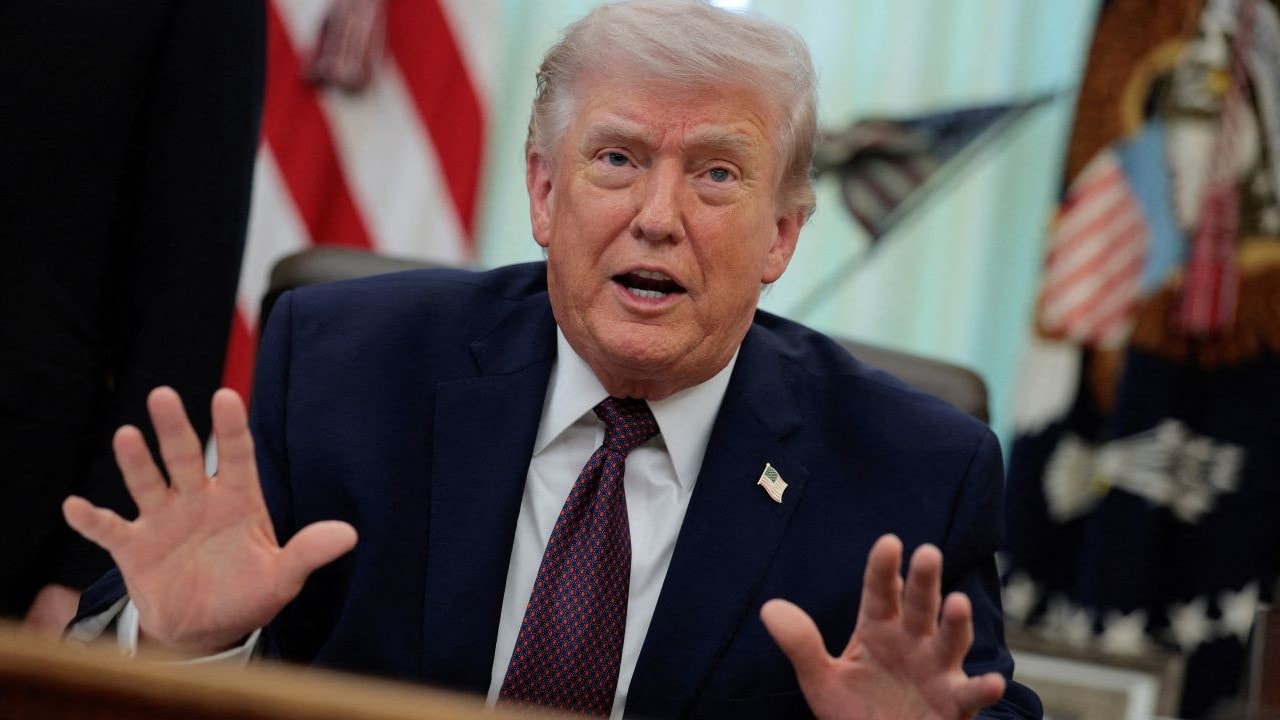
The United States is preparing to overhaul its most sacred travel document, inserting the image of a sitting president into the internal pages of the American passport for the first time in modern history. Starting in July 2026, the State Department will issue a limited-edition "America250" passport featuring a stylized portrait of Donald Trump overlaid on the text of the Declaration of Independence. While officially billed as a commemorative gesture for the nation’s semiquincentennial, the move represents a profound shift in how the federal government balances national identity with personal branding.
This isn't just about a photograph. The new document includes a gold-leaf reproduction of Trump’s signature and updated security features that integrate the presidential likeness directly into the anti-fraud substrate. For those seeking the new design, the Washington Passport Agency will serve as the exclusive in-person hub, though the administration has remained tight-lipped about the exact number of units being produced.
The Engineering of a Presidential Watermark
Technically, the "America250" edition is an evolution of the Next Generation Passport (NGP) platform first rolled out in 2021. That version introduced the polycarbonate data page and laser-engraved personalization. The Trump edition takes these high-tech foundations and pushes them into the realm of political iconography.
Enhanced Security or Symbolic Branding?
The State Department maintains that the new artwork does not compromise security. In fact, they argue the complexity of the new imagery—specifically the "enhanced imagery" mentioned by spokesperson Tommy Pigott—acts as an additional barrier to counterfeiters. The portrait isn't simply printed; it is woven into the optically variable ink and tactile features that define modern travel documents.
- Polycarbonate Strength: The data page remains a solid block of plastic, making it nearly impossible to delaminate or alter without leaving visible traces.
- Gold-Leaf Integration: The signature in gold isn't just a stylistic choice. It utilizes specialized metallic foils that are difficult to replicate with standard commercial printers.
- Layered Backgrounds: By layering the portrait over the Declaration of Independence, the designers have created a "busy" visual field that is notoriously difficult for scanners to reproduce with perfect fidelity.
A Departure from Neutrality
Historically, the American passport has been a masterpiece of bureaucratic anonymity. Since 1979, even the Secretary of State’s signature was removed to ensure that documents remained valid and visually consistent regardless of who held power in Washington. The only precedent for a commemorative design of this scale was the 1976 Bicentennial passport, which featured a blue cover but lacked the likeness of Gerald Ford.
The 2026 design breaks this tradition of "institutional permanence." By placing a sitting president's face alongside George Washington on national park passes and now inside the passport, the administration is effectively tethering the concept of American citizenship to a specific political figure. Critics argue this turns a functional security document into a campaign artifact, while supporters see it as a bold reclamation of American leadership during a milestone anniversary.
The Logistics of a Two-Tier System
One of the most overlooked aspects of this rollout is the creation of a dual-track issuance system. The State Department has confirmed that the Trump-edition passport will be the default option for in-person applicants at the Washington Passport Agency. However, citizens who renew online or through regional agencies outside the capital will continue to receive the standard NGP design.
This creates a strange marketplace for government documents. We are likely to see a "passport tourism" phenomenon where supporters travel to D.C. specifically to secure the limited edition, while detractors purposefully utilize the online portal to avoid it. There is no extra fee for the commemorative version, but its limited availability at a single physical location suggests it is intended as a high-value collector's item rather than a total replacement for the national fleet.
International Recognition and the "Cringe" Factor
Diplomatically, the move raises questions about how foreign customs officials will react. A passport is not just a ID; it is a request from one sovereign nation to another to "allow the bearer to pass without delay or hindrance." While the legal validity of the document is beyond question under 8 U.S.C. 1101, the visual departure from international norms—specifically ICAO standards which favor neutral, non-political imagery—could lead to increased scrutiny at foreign borders.
Veteran travelers know that anything "unusual" about a passport can lead to secondary inspection. A customs officer in Brussels or Tokyo, accustomed to the standard blue American book, may pause when confronted with a gold-signed, portrait-heavy variant. It is a minor friction point, but in the world of international travel, friction is the enemy of efficiency.
The Branding of the State
This passport is the latest pillar in a broader strategy to "Trump-brand" the federal government. From the proposed $1 coin featuring the 45th and 47th president to the renaming of the Kennedy Center, the administration is treating the 250th anniversary as a rebranding exercise for the United States itself.
The "Arc de Trump"—a proposed 250-foot victory arch in the capital—and the rebranding of the Institute of Peace show a clear pattern. The passport is simply the most mobile version of this strategy. It is the one piece of the federal government that millions of Americans carry in their pockets and present to the rest of the world.
Whether this move is seen as a patriotic tribute or an unprecedented ego trip depends entirely on one's partisan lens. What is objectively true, however, is that the State Department has successfully turned a boring piece of paper into a flashpoint of national identity. The American passport used to say everything about the country and nothing about the person in the White House. That era has ended.