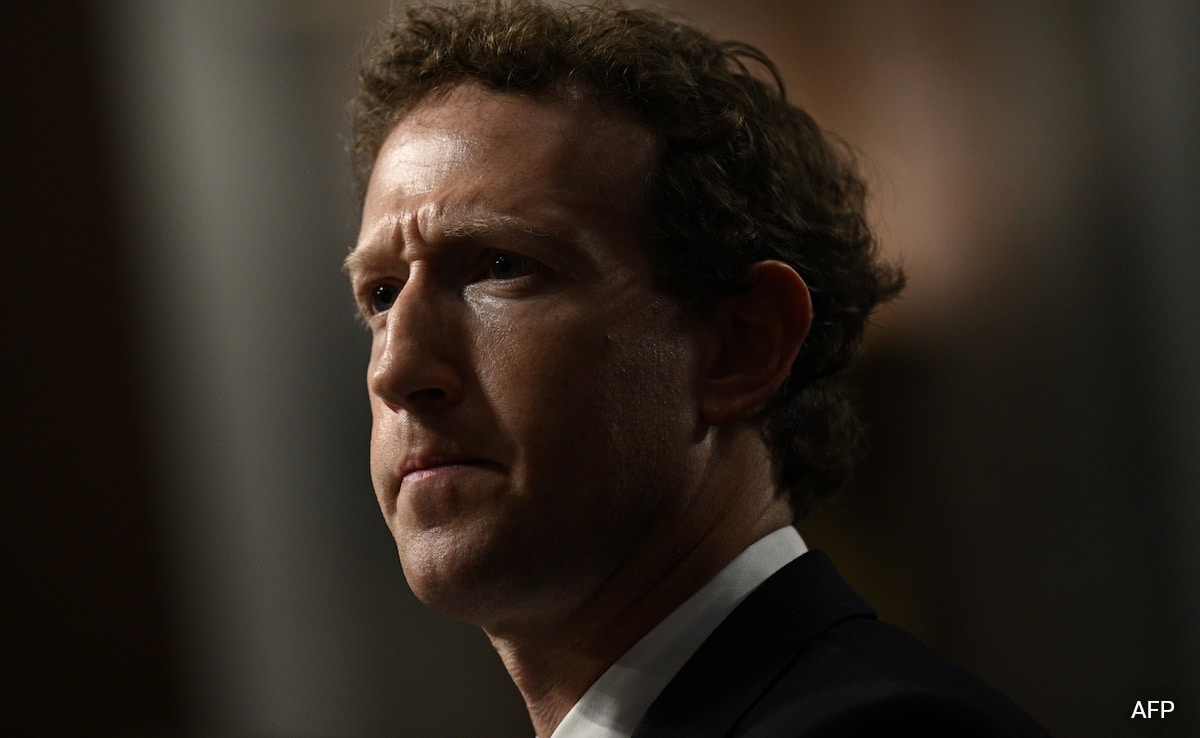
Mark Zuckerberg has officially closed on a $170 million estate on Miami’s Indian Creek Island, setting a record for the most expensive residential real estate transaction in the history of Miami-Dade County. The deal, finalized on March 2, 2026, involves an under-construction limestone masterpiece at 7 Indian Creek Island Road. This isn't just another trophy for a billionaire’s portfolio. It is a calculated retreat into one of the most fortified civilian jurisdictions on the planet.
While the public fixates on the nine bedrooms, the 1,500-gallon aquarium, and the library featuring a secret passageway, the true value of the property lies in its geography. Indian Creek, dubbed the Billionaire Bunker, is a 300-acre private municipality accessible only by a single, heavily guarded bridge. It operates its own police force and marine patrol, providing a level of insulation that even the most elite gated communities in California cannot replicate.
Zuckerberg’s move is part of a broader, more systemic migration. He joins Jeff Bezos, who recently spent over $230 million on three adjacent properties just doors away, and other titans like Larry Page and Sergey Brin who are quietly liquidating or diversifying out of the West Coast.
The California Tax Exodus
The timing of this $170 million acquisition is not coincidental. California is currently weighing a proposal for a one-time 5% tax on residents with a net worth exceeding $1 billion. For a man whose wealth is estimated at $231 billion, the math is simple. The cost of a record-breaking Miami mansion is a fraction of the potential tax liability waiting for him in Palo Alto.
Florida remains a zero-income-tax sanctuary. By establishing a primary or significant secondary residence in Miami, Zuckerberg is effectively building a financial moat. This isn't just about sunshine; it’s about capital preservation in an era where "tax the rich" has moved from a slogan to a legislative agenda.
Architecture as a Fortress
The property itself, designed by Ferris Rafauli, is a 30,000-square-foot study in neoclassical security. It sits on 1.84 acres of prime waterfront, but the design priorities are telling.
- Controlled Access: Beyond the island’s municipal police, the estate is designed with reinforced seawalls and a private dock that accommodates deep-water vessels.
- The Bunker Mentality: Much like his controversial Koʻolau Ranch in Kauai, which features a 5,000-square-foot underground shelter and blast-resistant doors, Zuckerberg’s Miami project emphasizes self-sufficiency.
- Total Surveillance: The island’s perimeter is monitored by Israeli-designed radar and thermal imaging.
The "secret passageway" in the library might sound like a whimsical touch for a tech mogul who grew up on sci-fi, but in the context of high-net-worth security, these features are functional. They provide "hardened" zones within the home, allowing for rapid movement to secure areas without being visible from common windows or exterior vantage points.
The Hawaii Parallel
To understand Zuckerberg’s Miami play, one must look at his 2,300-acre empire in Hawaii. In Kauai, he faced significant local backlash over "quiet title" lawsuits intended to consolidate small kuleana parcels owned by native families. That project, which cost upwards of $300 million to build, earned him the nickname "the face of neocolonialism" among critics.
In Miami, he is taking a different path. Instead of fighting for land rights in a sensitive ecosystem, he is buying into an established, artificial enclave where his neighbors are already his peers. There is no local population to displace on Indian Creek because the "locals" are all billionaires. It is a frictionless acquisition of power.
A New Geography of Power
The concentration of wealth on this single island is unprecedented. When Zuckerberg moves in, he will be living among Ivanka Trump, Jared Kushner, Tom Brady, and Carl Icahn. This isn't a neighborhood; it is a corporate boardroom with a zip code.
The Silicon Valley model of living among the people—the "hoodie and jeans" aesthetic—has been replaced by something far more medieval. We are seeing the rise of modern-day city-states where the ultra-wealthy don't just buy houses; they buy entire security infrastructures.
The $170 million price tag is the headline, but the real story is the abandonment of the public square. When the world’s most influential tech figures begin building high-tech fortresses behind municipal-level security, they aren't just buying privacy. They are opting out of the social contract.
Zuckerberg’s new mansion is still a construction site, a skeleton of limestone and steel. By the time he moves in, likely by the end of 2026, the map of American influence will have shifted decisively toward the Florida coast.
Keep an eye on the Palo Alto real estate listings. When the anchors of the tech world start pulling up stakes, the rest of the fleet is rarely far behind.