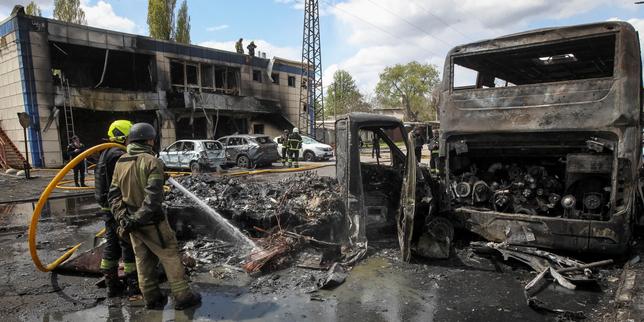
Ukraine just endured another brutal night. If you’ve been following the maps, you know the rhythm by now, but the rhythm is getting deadlier. Last night, Russian forces launched a coordinated wave of strikes across several regions, leaving at least one person dead and over thirty wounded. This isn't just about numbers on a spreadsheet. It’s about residential blocks in cities like Kryvyi Rih and Mykolaiv turning into piles of burning rubble while families sleep.
The scale of these attacks shows a clear shift in strategy. We aren't seeing random strikes anymore. This is a deliberate attempt to overwhelm local air defenses and shatter the civilian spirit before the harshest winter months settle in. The toll is heavy. Beyond the confirmed fatality, the injuries range from glass lacerations to severe trauma. Emergency crews worked through the early hours, pulling survivors from the skeletons of apartment buildings that used to be homes.
Why the Recent Escalation in Ukraine Matters
The air raid sirens didn't stop for hours. In Kryvyi Rih, the hometown of President Volodymyr Zelensky, a ballistic missile tore through a high-rise. Local officials confirmed that the casualty count rose quickly as rescuers cleared the debris. At least fourteen people were injured in that single strike. It’s a mess.
Russia is leanining heavily into a mix of Shahed drones and Iskander missiles. By mixing slow-moving drones with high-speed ballistic threats, they force Ukrainian defense teams to make impossible choices about which targets to prioritize. You can’t save everyone when the sky is full of metal. Mykolaiv also took a massive hit, with dozens of injuries reported after a series of explosions rocked the city center.
The Human Cost Beyond the Headlines
Statistics don't tell the whole story. I’ve looked at the reports coming out of the State Emergency Service. They aren't just fighting fires; they’re performing surgery in the mud. In Mykolaiv, the damage to the energy infrastructure means thousands are without power. When a strike hits a residential area at 3:00 AM, the psychological damage is permanent. You don't just "recover" from your bedroom wall disappearing.
Most people outside Ukraine think these strikes are aimed at military bases. That’s rarely the case lately. We’re seeing a pattern of "double-tap" strikes—where a second missile hits the same spot twenty minutes later to catch the first responders. It’s a cynical, horrific tactic. It’s meant to kill the doctors, the firefighters, and the neighbors who run toward the flames.
Tracking the Shift in Russian Tactics
We have to talk about the tech being used. Russia has ramped up its domestic production of suicide drones. They aren't sophisticated, but they’re cheap. When they send sixty drones at once, they only need five to get through to cause a catastrophe. This "attrition by volume" strategy is designed to bleed Ukraine’s supply of expensive Western interceptor missiles like the Patriot or IRIS-T systems.
The geography of the strikes is also telling. They’re hitting the grain hubs. They’re hitting the power substations. They’re hitting the ports. By targeting the logistics of daily life, the goal is to make the country unlivable. It’s a siege from the air.
The Air Defense Gap
Ukraine’s air defense is good, but it’s stretched thin. The success rate usually hovers around 80%, but that remaining 20% is what kills people. Last night, several missiles bypassed the shield. When an Iskander-M travels at several times the speed of sound, you have seconds to react. If you’re in an old Soviet-era apartment building, you’ve got no chance without a proper bunker.
The international community keeps promising more batteries, but the delivery speed is glacial. Every week of delay translates to another headline about a collapsed school or a destroyed hospital. It’s frustrating to watch the gap between political rhetoric and the reality on the ground in Kharkiv or Mykolaiv.
What This Means for the Coming Months
Winter is the real enemy here. Russia knows this. By hitting heating plants and electrical grids now, they’re setting the stage for a humanitarian crisis when temperatures drop below zero. Last night’s strikes included hits on several "critical infrastructure" points—a phrase that basically means the things that keep people from freezing to death.
The resilience of the Ukrainian people is legendary, but resilience has a breaking point. You can only patch a power grid so many times before it stays down. We’re looking at a situation where the front line isn’t just in the Donbas; it’s in every living room in the country.
Economic Paralysis Through Terror
Constant bombardment does more than kill; it halts the economy. You can't run a factory or a tech hub when the power cuts out every four hours. These overnight attacks are a form of economic warfare. They drive out the remaining civilian population and discourage any form of reconstruction. It’s a scorched-earth policy applied from the sky.
How to Support the Relief Efforts
If you want to help, stop looking at the big, slow NGOs that spend half their budget on marketing. Look for local Ukrainian groups that are actually on the ground in Mykolaiv and Kryvyi Rih. Organizations like United24 or smaller volunteer groups provide the immediate tactical medicine and generators that save lives right now.
The situation is dire, but it isn't hopeless. Every successful interception is a hundred lives saved. Every generator shipped is a family kept warm. Don't let the "war fatigue" set in. The people in those burning buildings don't have the luxury of being bored with the news.
Stay updated through verified sources like the Kyiv Independent or direct reports from the Ukrainian Ministry of Internal Affairs. Avoid the propaganda mills. The facts are loud enough on their own.
Check your local representatives and ask where the promised air defense systems are. Pressure works. Support the organizations providing direct humanitarian aid to the frontline cities. Every bit of equipment makes the next overnight raid slightly less effective.



