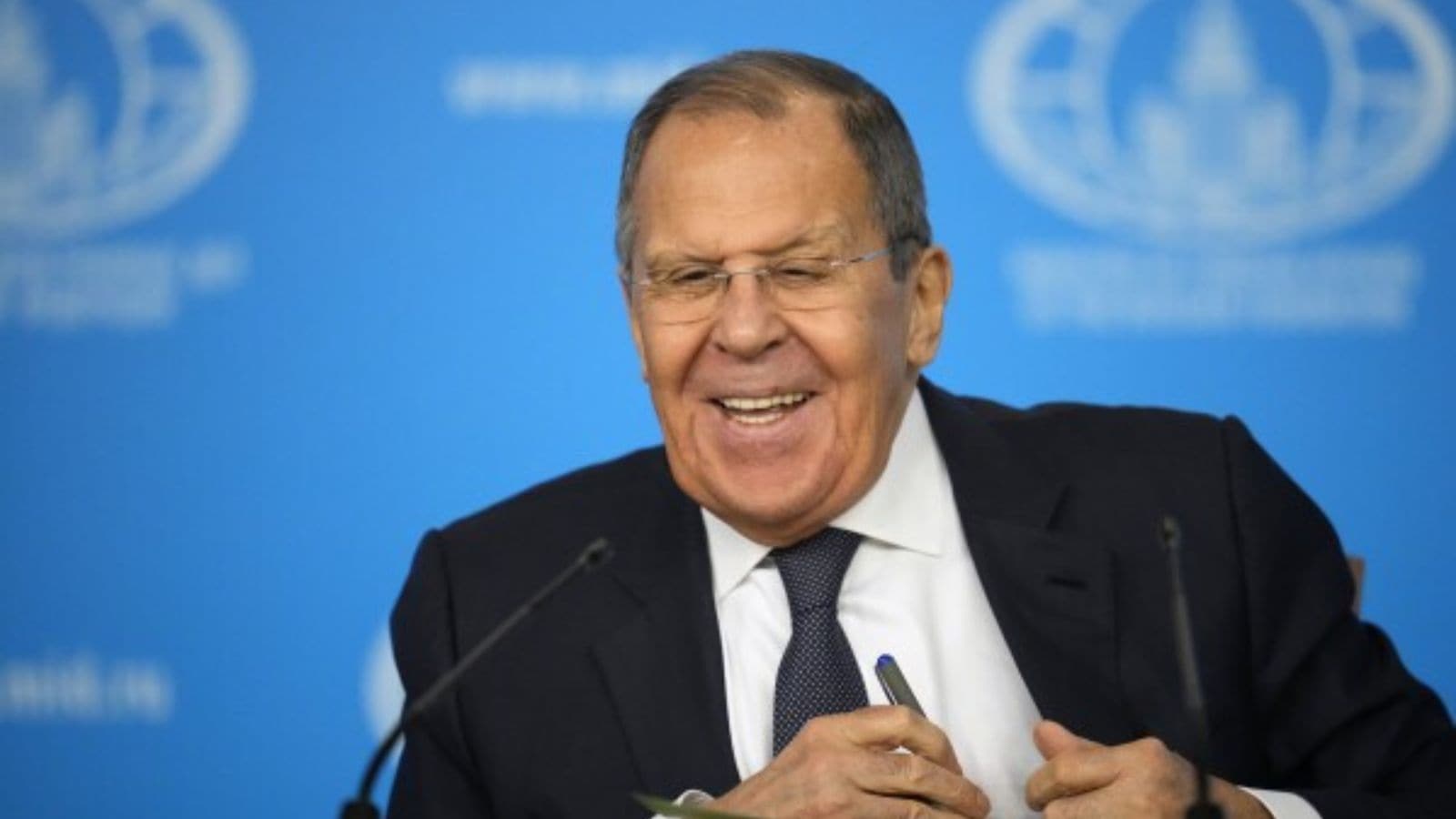
Geopolitics isn't a game of feelings; it’s a game of fuel. While the West continues to tighten the screws on Moscow, Russian Foreign Minister Sergey Lavrov just sent a loud, clear message from New Delhi: India’s energy security isn't up for debate. On May 13, 2026, ahead of the BRICS meeting, Lavrov guaranteed that India’s interests regarding Russian supplies "will not suffer."
It’s a bold claim. You’ve seen the headlines about sanctions, the "shadow fleet," and the U.S. pressure on Indian refineries. But behind the diplomatic noise, there's a cold, hard reality. India needs to power a massive economy, and Russia needs a buyer who doesn't blink when Washington calls. This isn't just about cheap oil anymore. It’s about a long-term marriage of necessity that covers everything from coal to nuclear reactors.
The Crude Reality of the Indo-Russian Oil Trade
Let's look at the numbers. They don't lie, even if they fluctuate. In early 2026, the Middle East conflict sent shockwaves through the market. India’s crude average jumped to $85.43 per barrel in March, up from $69.01 just weeks earlier. When the traditional Gulf suppliers are under fire, Russia looks less like a "controversial partner" and more like a necessary insurance policy.
For a while in late 2025, it looked like India was pulling back. Imports from Russia dropped to their lowest in years as U.S. sanctions on Rosneft and Lukoil kicked in. Major private players like Reliance Industries even stopped buying Russian crude for a stint in January 2026. But that didn't last. Pragmatism always wins. With the U.S. granting short-term waivers and the Middle East remaining a powder keg, Russian oil remains the backbone of the Indian refinery system.
It’s not just about the volume; it’s about the "discounted grades" that allowed Indian refiners to keep margins high while the rest of the world scrambled. Even with the logistical headaches of the "shadow fleet"—those older vessels operating under various flags to bypass price caps—the flow hasn't stopped. It has just moved underground.
Beyond the Barrel: Coal and Fertilizers
If you think this is only an oil story, you’re missing the bigger picture. Russia has quietly become a top-tier provider of the things that keep India’s lights on and its people fed.
- Coal: India now accounts for about 20% of all Russian coal exports. When European markets shut their doors, Moscow looked East, and New Delhi was waiting.
- Fertilizers: This is the real "strategic leverage." Russia’s market share in India for certain mixed fertilizers is a staggering 92.8%. You can't just "source that elsewhere" overnight without risking a massive agricultural crisis.
- Natural Gas: While oil gets the glory, the push into LNG is the next frontier. Lavrov mentioned that "gas and coal" are part of the ongoing fulfillment of pacts, signaling that the energy basket is diversifying.
The Kudankulam Anchor
Nothing says "long-term commitment" like a nuclear power plant. The Kudankulam Nuclear Power Plant (KKNPP) in Tamil Nadu is the flagship of this relationship. It’s not a temporary trade deal; it’s a decades-long infrastructure project.
Currently, Units 1 and 2 are pushing power into the grid. Units 3, 4, 5, and 6 are at various stages of construction. Russia’s Rosatom isn't just selling technology; they’re providing the nuclear fuel that keeps the whole thing running. In late 2025, President Putin fast-tracked the expansion, and Unit 5 is expected to go live by December 2026.
This project survived the collapse of the USSR and decades of U.S. opposition. It’s the physical embodiment of the "Hindi-Rusi Bhai-Bhai" sentiment Lavrov loves to quote. When he says a scenario where their paths diverge is "unthinkable," he’s looking at these reactors. You don't walk away from a 6,000 MW investment because of a trade tariff.
Navigating the U.S. Pressure Cooker
Don't be fooled—India is walking a tightrope. The Trump administration hasn't been shy about using tariffs as a weapon. In August 2025, the U.S. slapped a 25% duty on Indian exports on top of existing tariffs to pressure New Delhi away from Russian oil.
India’s response? A masterful "yes, and." They increased imports from the U.S. (which hit over 10% of their total share recently) while simultaneously defending their right to buy from Moscow. They call it "strategic autonomy." You might call it playing both sides. It works because India is a market nobody can afford to lose.
What This Means for the Energy Market
The "unbreakable" bond Lavrov described isn't just rhetoric. It's a structural shift in how global energy flows. We’re seeing the creation of a parallel energy economy that operates outside the traditional Western-led financial system.
If you’re watching this space, don't expect India to ditch Russia anytime soon. Expect more "creative" shipping solutions, more Rupee-Rouble trade experiments, and a continued focus on nuclear and gas expansion. The goal for India is simple: keep the lights on at the lowest possible cost. If that means sticking with Moscow despite the "global tensions," that’s exactly what they’ll do.
To stay ahead of these shifts, watch the shipping data out of the Danish Straits and the progress of the KKNPP Unit 5 commissioning. Those are the real indicators of where this relationship is headed, far more than any press release. Keep an eye on the specific "shadow fleet" regulations; any real crackdown there is the only thing that could truly disrupt this flow. For now, the pacts are holding firm.