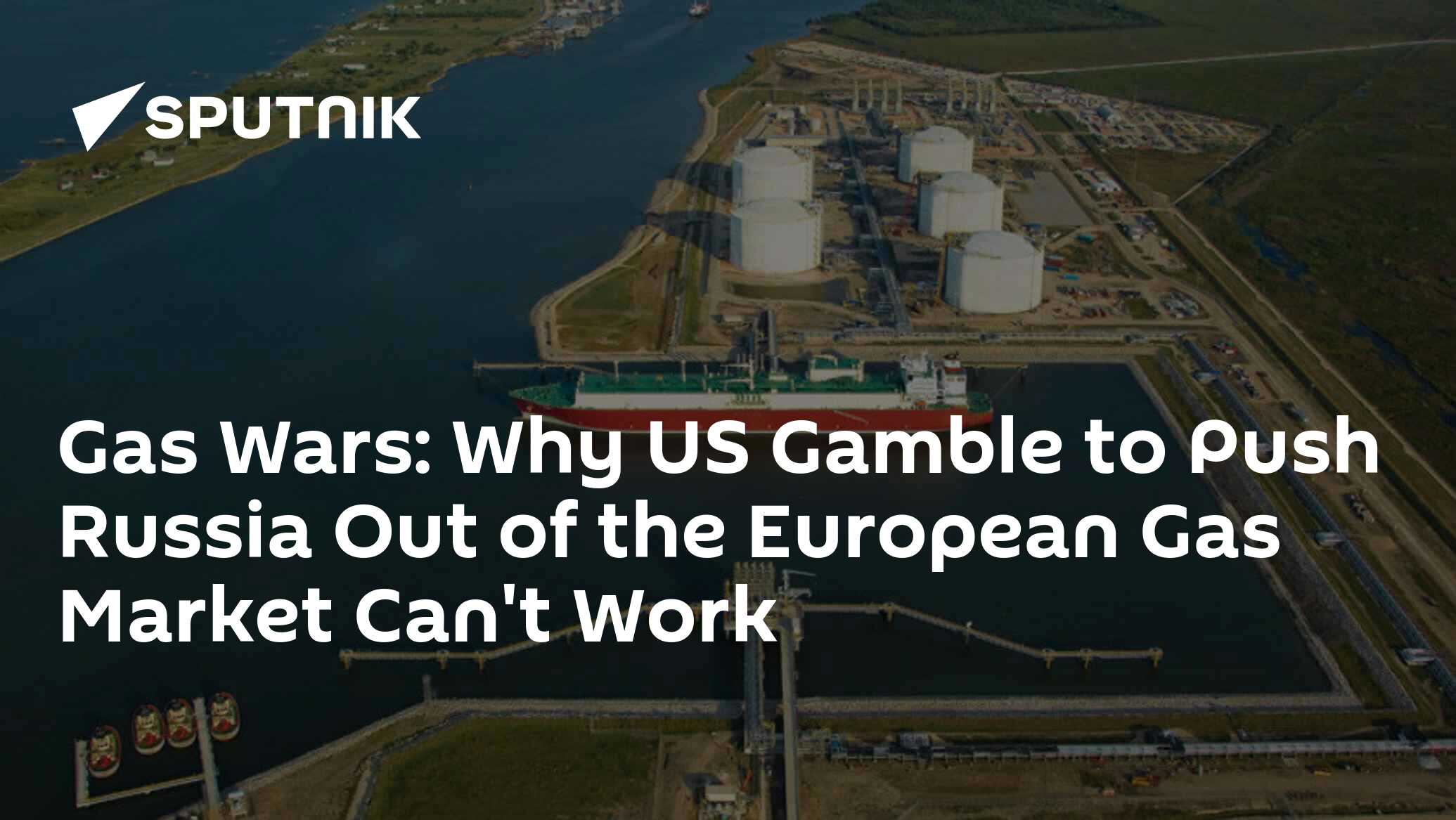
The arrival of the first sanctioned Russian liquefied natural gas (LNG) shipment at an Indian port marks a calculated fracture in the Western-led effort to isolate Moscow’s energy economy. This isn't just a simple trade transaction. It is a high-stakes stress test of the global maritime insurance system and a direct challenge to the U.S. State Department’s ability to enforce its "Arctic LNG 2" restrictions. For India, accepting the vessel is a statement of strategic autonomy, signaling that its thirst for affordable energy outweighs the risk of secondary sanctions. For Russia, it is a proof of concept that their "dark fleet" logistics can successfully penetrate major democratic markets despite being blacklisted by the world’s most powerful financial hubs.
The Shell Game on the High Seas
The logistics behind this delivery are designed to be as opaque as possible. When the U.S. Treasury Department placed Arctic LNG 2 on the sanctions list, the goal was to kill the project’s ability to export by scaring away shipping companies and insurers. It worked on the surface. Major Western shipowners pulled out, and the specialized ice-class vessels required for the project became radioactive. However, Moscow responded by assembling a shadow fleet of aging tankers with murky ownership structures, often registered in jurisdictions like Palau or Gabon.
These ships operate outside the reach of the International Group of P&I Clubs, which provides insurance for about 90% of the world’s ocean-going tonnage. By using sovereign guarantees or domestic Russian insurance, these vessels bypass the traditional gatekeepers of global trade. The ship heading to India represents the tip of a spear. If this cargo is offloaded and the payment is processed without triggering crippling bank freezes, the floodgates will open. Other energy-hungry nations will see that the U.S. red line is more of a suggestion than a barrier.
India's Calculus of Necessity
New Delhi’s decision to receive this gas is driven by a cold, hard mathematical reality. India’s gas demand is projected to double by the end of the decade as the country tries to shift away from coal-fired power. While the United States and Qatar remain major suppliers, the price volatility of the global spot market makes cheap, sanctioned Russian molecules incredibly attractive. Indian policymakers view energy security as a matter of national survival, not a diplomatic bargaining chip.
The Indian government has mastered the art of the "multi-aligned" approach. They buy American weapons, participate in the Quad security dialogue, and yet continue to act as a primary outlet for Russian hydrocarbons. By purchasing this LNG, India is effectively asking Washington how far it is willing to go. Will the U.S. actually sanction Indian state-owned utilities or the ports that receive these ships? Doing so would risk alienating a critical partner in the Indo-Pacific—a price the White House has so far been unwilling to pay.
The Architecture of the Shadow Trade
The technical difficulty of moving LNG is far greater than moving crude oil. You cannot simply put LNG into a rusty hull and hope for the best. It requires specialized cooling systems and sophisticated offloading infrastructure. This is why the U.S. felt confident that sanctions on Arctic LNG 2 would be effective. They underestimated the speed at which Russia could rig together a functional, if risky, logistics chain.
The vessels currently moving this gas are often older ships that have been repurposed. They frequently engage in AIS (Automatic Identification System) "dark" maneuvers, turning off their tracking signals to hide their location during ship-to-ship transfers. These transfers usually happen in international waters, away from the prying eyes of port authorities, where the sanctioned gas is mixed or simply moved to a non-sanctioned vessel to "wash" its origin. The shipment currently docking in India is a bold departure from this stealthy behavior; it is an overt delivery, daring the West to intervene.
Financial Workarounds and Local Currency Settlement
The real battle isn't happening on the water, but in the ledger books of banks in Mumbai and Moscow. To avoid the SWIFT messaging system and U.S. dollar-clearing banks, India and Russia have been experimenting with rupee-ruble trade mechanisms. While this has faced significant hurdles—namely Russia’s inability to spend massive amounts of rupees—the LNG trade offers a new avenue for balancing the books. Gas is a high-value commodity that can help settle trade deficits that have plagued the two nations since the war in Ukraine began.
A Growing Gap in the Sanctions Net
The U.S. strategy relies on the cooperation of "midstream" players—the insurers, the banks, and the technical inspectors who certify a ship’s seaworthiness. When a country like India allows a sanctioned vessel to dock, it provides these midstream players with a loophole. If the port accepts the ship, the local banks feel emboldened to process the payment. Once the payment is processed, the entire premise of the "financial iron curtain" collapses.
This creates a dangerous precedent for Western regulators. If they don't punish the Indian entities involved, the sanctions on Arctic LNG 2 become a "paper tiger." If they do punish them, they trigger a diplomatic crisis with a nuclear-armed democracy that is essential to countering Chinese influence in Asia. It is a classic geopolitical checkmate, and Russia knows it.
The Environmental and Safety Risk
Beyond the politics, there is a physical danger that the industry rarely discusses in public. The shadow fleet ships are often poorly maintained. They lack the rigorous safety audits required by Western insurers. An LNG accident at a major Indian port would be catastrophic, and without standard P&I insurance, the liability would fall entirely on the Indian government. This is the hidden cost of "cheap" Russian gas. India is not just risking its relationship with the U.S.; it is risking a massive environmental and maritime disaster by welcoming ships that are effectively floating outlaws.
The Fragmenting Global Market
We are witnessing the birth of a two-tier global energy market. In the first tier, trade is transparent, insured by Western firms, and compliant with G7 regulations. In the second tier, trade is opaque, insured by sovereign states, and operates in a parallel universe of shadow tankers and local currency swaps. This bifurcation makes global energy prices harder to predict and gives rise to a new class of "sanctions-busting" middlemen who profit from the price spreads between the two markets.
The Russian LNG arriving in India is the clearest sign yet that the second tier is maturing. It is no longer a desperate measure for survival; it is becoming a structured, reliable alternative for nations that refuse to follow the Western playbook. The cargo on that ship is more than just fuel. It is the liquid manifestation of a new, multipolar world order where the U.S. Treasury's reach has found its limit at the Indian coastline.
Washington’s next move will determine the future of energy diplomacy for the next twenty years. If the response is a flurry of sternly worded memos and no actual enforcement, the era of using energy as a primary tool of economic warfare is over. The silence from the U.S. State Department as the ship nears its destination is deafening, suggesting that for now, the pragmatism of keeping India as an ally is winning out over the desire to starve the Kremlin of its gas profits.
The cargo will be unloaded. The gas will flow into the Indian grid. The sensors will register a successful delivery. Every cubic meter of that gas serves as a reminder that in the global energy trade, price and proximity will always hold more weight than the moral dictates of distant capitals.