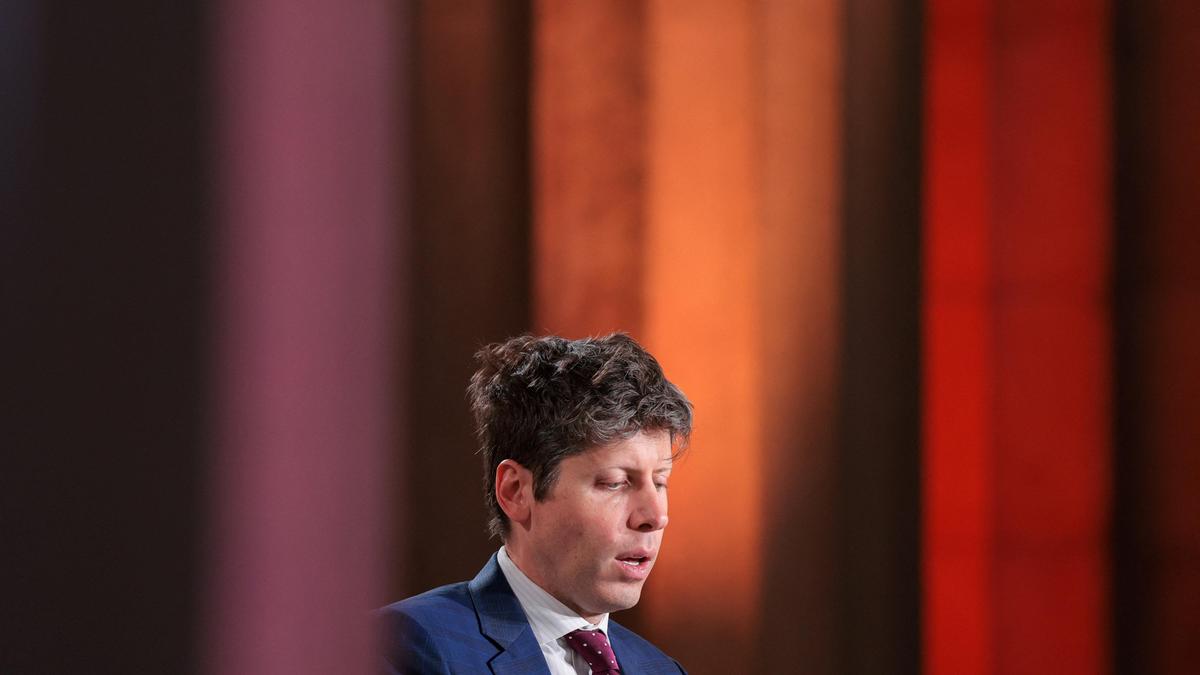
Sam Altman doesn't want to pay extra for what his sister claims happened decades ago. The OpenAI CEO is currently pushing a federal court in St. Louis to throw out the punitive damages part of the sexual abuse lawsuit filed by his sister, Annie Altman. It's a technical legal move that could drastically lower the financial stakes of a case that’s already been a PR nightmare for the world’s most famous AI executive.
If you’re wondering why this matters right now, it’s because this isn't just about money. It’s about how Missouri law handles decades-old allegations. Altman’s legal team filed a motion late Wednesday arguing that the specific Missouri statute Annie is using to sue doesn’t actually allow for "exemplary" or punitive damages. They're basically saying that even if the case goes forward, the court's hands are tied regarding how much she can collect.
The legal fight over Missouri statute limitations
Annie Altman filed her civil suit in January 2025. She claims Sam abused her repeatedly between 1997 and 2006. At the start of that timeline, she was three and he was twelve. Those are heavy accusations. But in the courtroom, the debate has turned to the fine print of Missouri’s child sexual abuse laws.
Earlier this year, a judge already tossed out some of Annie's standalone claims for sexual assault and battery because they were way past the statute of limitations. She's now relying on a specific Missouri law that lets survivors of childhood abuse sue much later in life. Altman’s lawyers aren't arguing the facts of the abuse in this specific motion; they’re arguing the math. They claim the law only permits recovery for "injury or illness." They want to block any attempt to punish Sam with the kind of massive, multi-million dollar punitive payouts that often follow high-profile civil trials.
Why Altman is fighting so hard on the technicalities
Sam Altman is worth billions. His company, OpenAI, was recently valued at over $850 billion. So why fight over punitive damages? Because punitive damages are meant to make an example of someone. They're designed to hurt. By moving to dismiss this specific claim, Altman's team is trying to keep the case focused strictly on documented medical or psychological "injury" rather than a jury's emotional response to the testimony.
It’s a calculated defense strategy. If they win this motion, the total "price tag" of a potential loss drops significantly. But it’s also a defensive play for his reputation. Punitive damages often require a finding of "malice" or "outrageous conduct." Avoiding that legal label is just as important to Altman as the money itself.
The family split and the defamation countersuit
This isn't a simple "he-said, she-said" situation. The entire Altman family has basically picked sides. Sam, his mother, and his two brothers issued a joint statement back in 2025. They didn't just deny the claims; they went on the offensive. They claimed Annie has long-standing mental health struggles and has "lashed out" at the family for years.
Sam even filed a defamation countersuit against his sister. Interestingly, he’s only asking for $1 in that case. He says he’s not trying to bankrupt her—he just wants a court to officially say she lied. It's a classic power move: he's positioning himself as the generous, long-suffering brother while using his massive legal resources to shut down her claims.
What this means for OpenAI and the AI industry
You might think a sexual abuse lawsuit would sink a CEO, but Altman has proven surprisingly resilient. He survived a board coup in late 2023 and has stayed at the helm while the company’s valuation soared. But the timing of this latest legal maneuver is tricky. He's also facing a massive $134 billion trial against Elon Musk later this month.
The "Altman brand" is built on the idea of being a thoughtful, mission-driven leader. These lawsuits—both the one from his sister and the one from Musk—paint a very different picture. One suggests a dark personal history, the other suggests a history of professional betrayal. Both challenge the "good guy" narrative that OpenAI needs to maintain while it asks the world to trust it with the future of intelligence.
Actionable steps for following the case
If you’re tracking this legal drama, don’t just look at the headlines. Pay attention to the specific rulings coming out of the St. Louis federal court.
- Watch for the judge's ruling on the punitive damages motion. If the judge agrees with Altman, Annie’s potential payout shrinks, and the case becomes a lot less attractive for trial lawyers.
- Monitor the Musk trial in late April. While they’re different cases, the discovery process in the Musk suit could unearth communications or details that impact Altman's credibility across the board.
- Look for changes in Missouri law. There have been attempts to remove the statute of limitations for child abuse cases entirely. If those pass, the legal ground under this case could shift again.
The next few months will decide if these personal allegations finally stick to Altman or if his legal team can keep them buried in procedural filings. Honestly, it’s looking like a war of attrition where the person with the most money usually wins the long game. Don't expect a quick settlement or a sudden confession. This is going to be a slow, ugly fight in the shadows of the tech world's biggest success story.
Keep an eye on the court docket for the Eastern District of Missouri. That’s where the real story is being written, one motion to dismiss at a time.