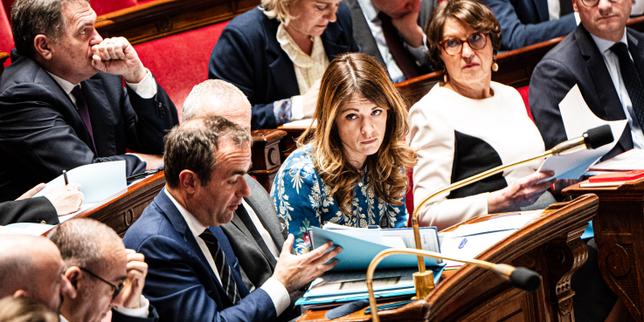
Sébastien Lecornu is currently walking a tightrope that's thinning by the second. France wants to be a global military powerhouse while simultaneously staring down a massive fiscal deficit that's making everyone in Paris sweat. It’s a mess. The French Defense Minister has the unenviable task of protecting a massive €50.5 billion budget for 2025 at a time when the rest of the government is being told to tighten their belts until they can't breathe. You've got a Military Programming Law (LPM) that promises the moon, but a Treasury that's essentially empty.
The tension isn't just about numbers on a spreadsheet. It’s about whether France can actually keep its promises to NATO and its own defense industry without crashing the economy. If you think this is just standard political bickering, you’re wrong. This is a fundamental clash between the "whatever it takes" security era and the "we're broke" reality of European finances.
Why the military programming law is under fire
The LPM 2024-2030 was supposed to be the holy grail for the French armed forces. It promised €413 billion over seven years. That’s a huge jump. It was designed to fix decades of "peace dividends" where the military was treated like an ATM for other social programs. But now, the honeymoon is over. Michel Barnier’s government is looking for €60 billion in savings across the board, and the Ministry of Armed Forces looks like a very large, very tempting target.
Lecornu has been vocal about not touching the 2025 trajectory. He argues that cutting defense spending now would be a signal of weakness to Russia and a betrayal of French industrial partners like Dassault and Thales. He's right, honestly. You can't just stop building a nuclear submarine or a Rafale jet because you had a bad quarter. These are decades-long commitments. Yet, the pressure from Bercy—the French finance ministry—is relentless. They see a €50 billion budget and think, "Surely they can find a billion or two in the couch cushions."
The gap between ambition and the bank account
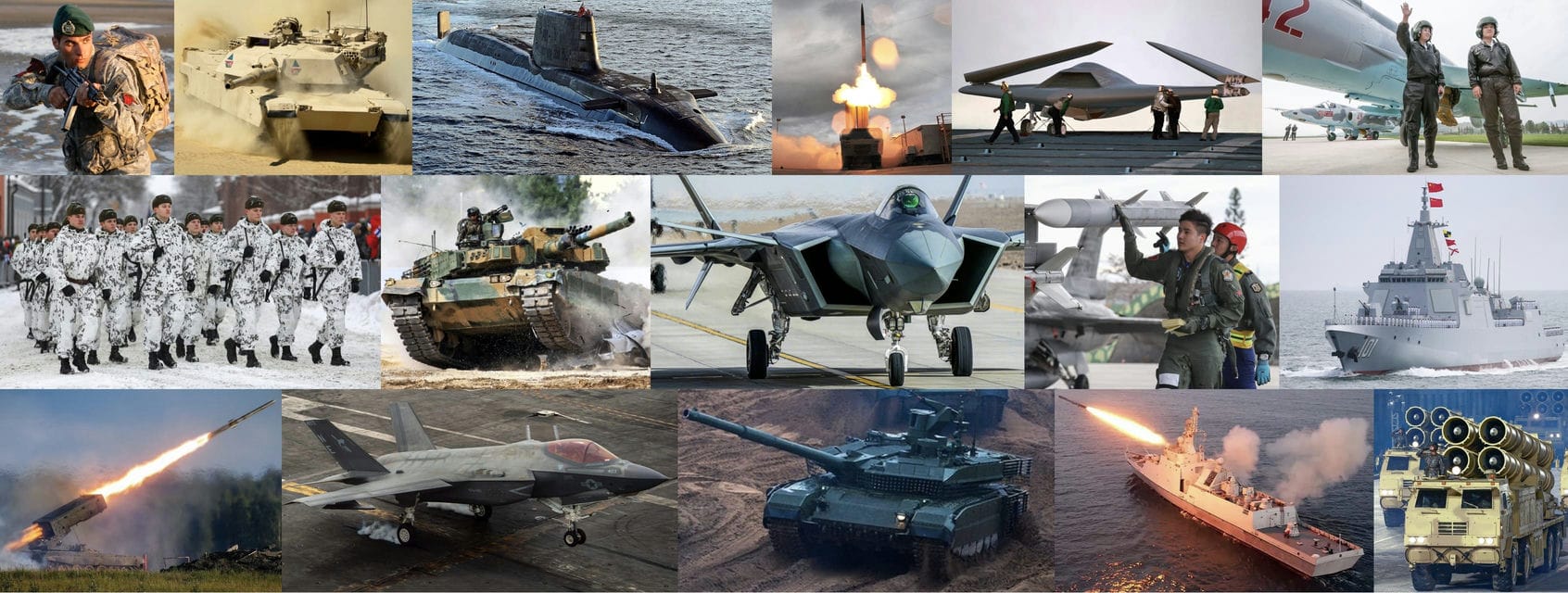
France likes to imagine itself as the leader of "European Sovereignty." It sounds great in speeches. In practice, it's expensive as hell. The current plan includes massive investments in the SCAF (Future Combat Air System), the new generation aircraft carrier (PANG), and a total overhaul of the nuclear deterrent. These aren't optional extras for a country that wants a seat at the big table. They're the table itself.
However, the inflation of the last two years has eaten into the purchasing power of that €413 billion. What looked like a windfall in 2023 now looks like barely enough to stay afloat. When you add the cost of supporting Ukraine—which Lecornu has handled by leveraging older equipment and clever accounting—the margins get even tighter. The military isn't just buying new toys; it's trying to recruit and keep soldiers who are being lured away by better-paying private sector jobs. If you don't pay the troops, the fancy jets don't mean much.
Lessons from past budget raids
We’ve seen this movie before. In 2017, General Pierre de Villiers resigned because Emmanuel Macron tried to slash the defense budget shortly after taking office. It was a scandal. It created a rift between the President and the military that took years to heal. Lecornu knows this history well. He knows that if he gives an inch now, the finance hawks will take a mile.
The mistake most analysts make is thinking this is just about hardware. It’s actually about credibility. If France scales back its LPM, why should Germany or Poland trust Paris to lead a joint defense initiative? The Baltic states are watching. They don't care about France's debt-to-GDP ratio; they care about how many Caesars or Leclerc tanks can show up if things go south. Lecornu’s "narrow path" is trying to satisfy the accountants without terrifying the allies.
The industrial risk no one mentions
The French defense industry isn't just about war; it’s a massive employer. Companies like Nexter, Naval Group, and Safran are the backbone of high-tech manufacturing in France. If Lecornu loses this budget battle, these companies lose the certainty they need to invest in R&D. You don't just "restart" a production line for 155mm shells or missile seekers. Once the expertise drifts away, it's gone for good.
There's also the export market. France recently became the world's second-largest arms exporter, overtaking Russia. That success is built on the French military using the gear first. It's the ultimate "vouched for" sticker. If the French army starts canceling orders because the budget got hacked, foreign buyers will start looking at American or South Korean alternatives. The economic blowback of a defense cut could actually cost the state more in lost taxes and jobs than it saves in the short term.
Hard choices on the horizon
So, what gives? Lecornu might have to get creative with "deferred" spending. That’s the classic political trick. You don’t cancel the order; you just push the delivery date back by eighteen months. It keeps the total number on the law the same but saves cash this year. It’s a dangerous game, though. Delaying maintenance or modernization usually leads to a "rust-out" where equipment fails when you actually need it.
We also have to talk about the "innovation" trap. The ministry is obsessed with drones, AI, and cyber warfare. These are essential, but they're often funded by taking money away from "boring" stuff like spare parts, ammunition stocks, and basic training. You can have the smartest drone in the world, but if your soldiers don't have enough range time or your trucks are broken, you're not going to win a high-intensity conflict.
How to track the fallout
Keep an eye on the upcoming parliamentary debates. The opposition is smelling blood. The far right wants a strong military but hates the EU-imposed deficit rules. The left wants to shift the money to social programs and ecology. Lecornu is caught in the middle of a pincer movement.
If you're watching this unfold, look for these three signs of a budget retreat:
- Phrases like "adjusting the rhythm" of deliveries—this means delays.
- A sudden focus on "European pooling" of resources—this often masks a lack of national funding.
- Silence on the "third tranche" of major programs like the Rafale F5.
France is trying to prove it can still be a Great Power on a budget. It’s a gamble that might not pay off. The world isn't getting any safer, and the bill for decades of underfunding is finally coming due. Lecornu has to convince a skeptical public and an even more skeptical Finance Ministry that security is the one thing you can't afford to buy on the cheap. If he fails, the "narrow path" leads straight off a cliff.
The next few months will determine if the French military stays a credible force or becomes a museum of ambitious plans that never quite made it to the field. Stop thinking of defense as a separate silo from the economy. In 2026, they are the same thing. Watch the procurement contracts. If they slow down, the strategy has already failed.