The political pundits are hyperventilating. They see two lawmakers walking out the door over fuel protests and they smell blood. The narrative is as predictable as it is lazy: a government losing its majority is a government on the brink of collapse. They frame it as a crisis of authority, a sign of a regime gasping for air while the "will of the people" finally breaks the back of the establishment.
They are dead wrong. Learn more on a related topic: this related article.
What we are actually seeing isn't a collapse. It’s a filtration system. In the high-stakes theater of Dáil Éireann, a razor-thin majority isn't a weakness; it is a tactical advantage for a coalition that actually wants to survive. When the dead weight and the careerists jump ship over populist outrage, the core that remains becomes more disciplined, more focused, and ironically, more unshakeable.
The Myth of the "Strong Majority"
Conventional wisdom dictates that a massive majority equals power. In reality, a massive majority breeds complacency and internal factionalism. I have watched governments with 20-seat buffers rot from the inside because backbenchers feel they have the luxury of being difficult. They hold the cabinet hostage over local bypasses and parish-pump grievances because they know their "rebellion" won't actually topple the house. Further journalism by The New York Times explores related views on the subject.
When the majority shrinks to the single digits, the game changes. Every vote becomes a life-or-death struggle. This doesn't lead to chaos; it leads to extreme legislative discipline. The Chief Whip suddenly has more power than the Taoiseach. Members who previously flirted with dissent realize that a single floor-cross could trigger an election they aren't prepared to fund or fight.
The two lawmakers who quit over fuel protests didn't "weaken" the government. They cleared the room of people who were already looking for an exit strategy. By leaving now, they’ve gifted the remaining coalition a clarified mandate: survive through cohesion or perish through vanity.
Fuel Protests are the Ultimate Red Herring
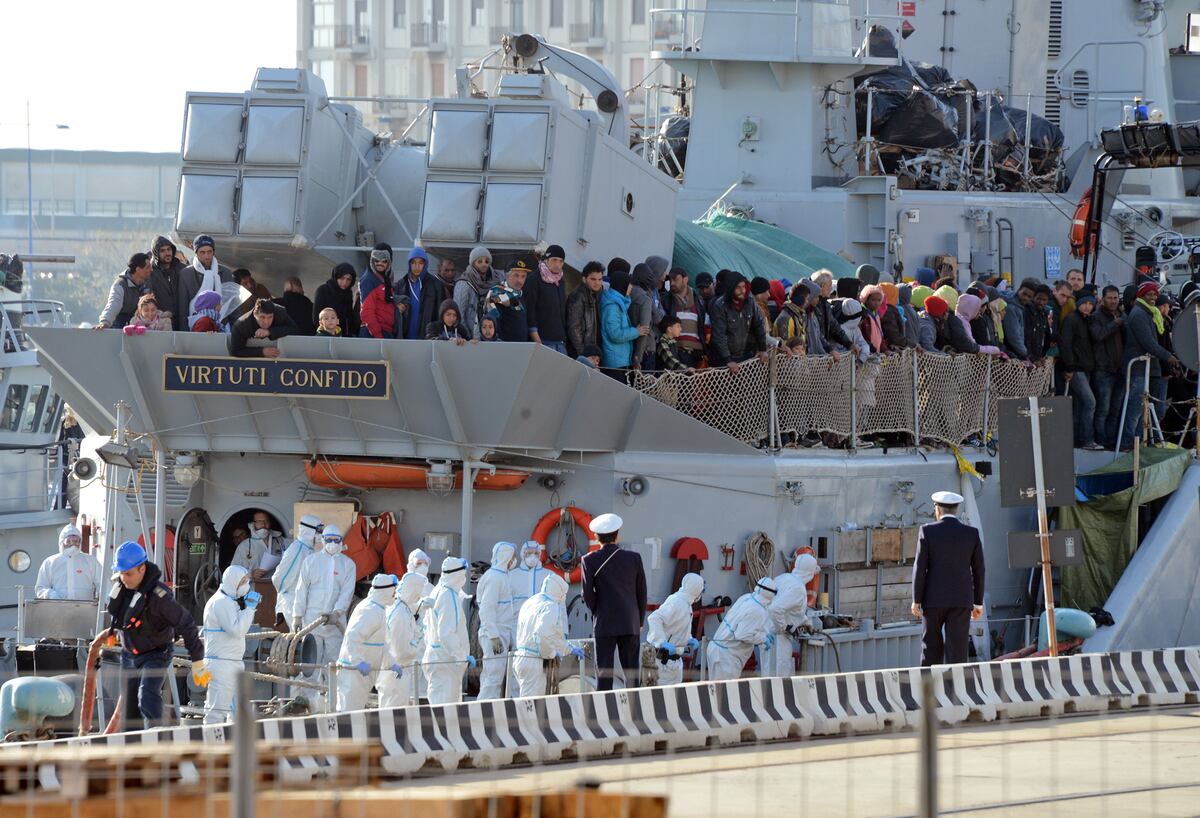
The media loves a good protest. High-vis jackets, angry placards, and the "common man" standing up to the "carbon tax elites." It’s a compelling visual. But if you think these resignations are actually about the price of a liter of diesel, you’ve been played.
Fuel prices are a proxy. They are the easiest, most digestible hook for a politician who wants to pivot toward populism before a general election cycle. If it wasn't fuel, it would be housing. If not housing, the health service. The lawmakers who quit are engaging in a classic survival maneuver: The Pre-Emptive Rat Run.
They see the polling. They know their seats are at risk. By "quitting on principle" over fuel costs, they aren't sabotaging the government; they are auditioning for their next role as "independent champions of the squeezed middle."
Let’s look at the actual mechanics of Irish governance. The budget is where the real power lies. A government that can pass a Finance Bill is a government that exists. Everything else is optics. Despite the headlines about a "majority cut," the coalition still holds the levers. They still control the purse strings. And in Ireland, the purse strings always win against a handful of disgruntled backbenchers.
The Stability Paradox
The paradox of Irish politics is that the closer a government gets to the edge, the more reluctant the opposition becomes to actually push them off.
Think about the "People Also Ask" logic that permeates the news cycle: Will the Irish government fall? The answer is no, because the main opposition parties—Sinn Féin included—are terrified of a snap election they haven't fully "derisked."
Maintaining a slim majority forces the opposition to put up or shut up. If they truly believed the government was illegitimate, they would move a motion of no confidence tomorrow. They won't. Why? Because a narrow majority allows the opposition to keep lobbing stones from the sidelines without the terrifying responsibility of actually having to govern during a global energy crunch.
The Cost of the "Clean" Break
There is a downside to this contrarian view, and it's one we have to acknowledge. A disciplined, slim-majority government becomes a fortress. It stops listening to outside ideas. It enters "bunker mode."
In this state, policy becomes rigid. The government can't afford to be "innovative" or "bold" because every new idea is a potential flashpoint for another resignation. We trade dynamic governance for survivalist governance. It’s effective for staying in power, but it’s miserable for social progress.
But don't mistake that misery for instability. A cornered animal is at its most dangerous; a cornered coalition is at its most unified.
Stop Asking if the Government Will Fall
The question is fundamentally flawed. You are asking about the quantity of votes when you should be asking about the quality of the remaining alliance.
The lawmakers who left were the "soft" votes. They were the ones most likely to flip on a Tuesday night over a bad headline in the local paper. Their departure has effectively "stress-tested" the coalition. What remains is the hard core—the ministers and deputies who have tied their entire political legacies to this specific three-party arrangement.
If you are a business leader or an investor looking at Ireland, do not be spooked by the shrinking majority. Be encouraged. You are now dealing with a streamlined executive that has zero room for internal dissent. They have to pass their bills. They have to stay the course.
The "crisis" isn't a loss of power. It’s the shedding of the unreliable.
Stop reading the play-by-play of the protest line. The real action is in the whip's office, where the math has never been clearer. A small, disciplined group beats a large, fractured one every single time.
The majority hasn't been cut; it’s been sharpened.