Domestic terrorists and sophisticated digital pranksters have found a new, high-leverage target for chaos. It is not the boardroom of a Fortune 500 company or a high-security government installation. Instead, they are turning their sights on the local zoo. Over the past eighteen months, zoological parks across the United States have faced a relentless barrage of "swatting" incidents, bomb threats, and active shooter hoaxes that force immediate evacuations and traumatize thousands of families. These are not merely prank calls. They are coordinated disruptions that exploit the specific vulnerabilities of public-facing wildlife institutions.
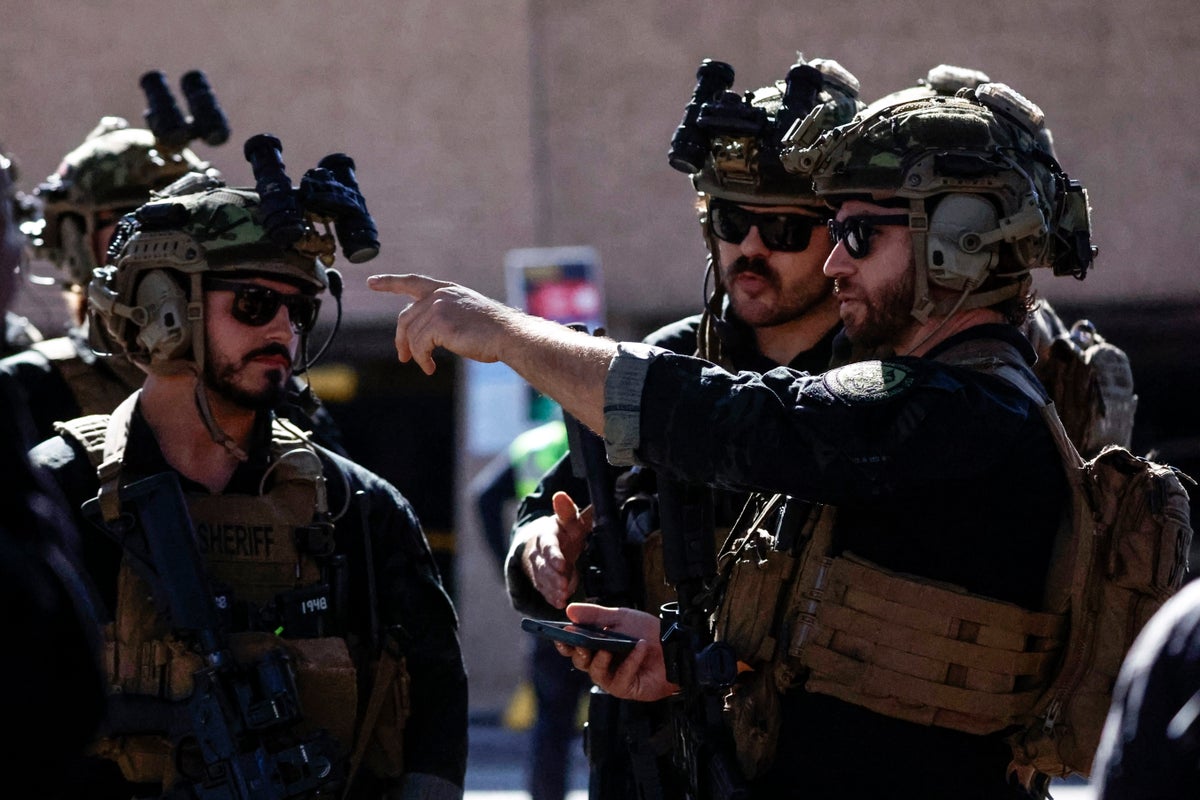
The primary objective of these attacks is to trigger a massive law enforcement response while maximizing public panic. Because zoos are sprawling, open-air facilities often housing thousands of animals and tens of thousands of guests on peak days, an evacuation is a logistical nightmare. For the perpetrator, the "success" of the hit is measured in the sight of SWAT teams moving past giraffe enclosures and the viral footage of terrified parents sprinting toward the exits.
The Mechanics of the Modern Swatting Wave
The current crisis goes far beyond the "crank call" era of the 1990s. Today’s threats are often laundered through Voice over IP (VoIP) services, encrypted messaging apps, and "spoofing" software that makes a call appear to originate from a local area code or even from within the zoo’s own internal phone system. This digital camouflage makes it nearly impossible for local dispatchers to distinguish a genuine emergency from a malicious fabrication in the heat of the moment.
When a caller reports a man with a rifle near the reptile house, the police have no choice. They must respond with overwhelming force. This creates a dangerous feedback loop. The attacker watches the chaos unfold on social media or through live police scanners, gaining immediate gratification for their actions. In many cases, these individuals are part of online "trolling" communities where causing a city-wide shutdown is a badge of honor.
The sheer scale of a zoo makes it an ideal target for this specific brand of psychological warfare. Unlike a single-building office, a zoo has dozens of entry points, hidden service corridors, and dense foliage. Clearing such a facility takes hours, not minutes. During that time, the institution loses hundreds of thousands of dollars in revenue, and its reputation as a "safe space" for children is fundamentally compromised.
Why Zoos Are the Perfect Target for Social Engineering
From an analytical perspective, zoos occupy a unique space in the American psyche. They are perceived as innocent, apolitical, and inherently fragile. Attacking them feels particularly transgressive, which is exactly why it appeals to those seeking maximum social impact. There is also a darker layer to this trend involving extremist groups who view zoos as symbols of state control or environmental degradation, though the majority of these hoaxes appear to be driven by the pursuit of "clout" in nihilistic digital subcultures.
The financial impact is devastating. A single hoax-driven closure can cost a major metropolitan zoo upwards of $200,000 in ticket sales, concessions, and labor. Smaller, non-profit institutions may never fully recover from the secondary effects, such as a drop in membership renewals or the increased cost of hiring permanent armed security to reassure a nervous public.
We are seeing a shift in the "threat profile" of these callers. They are no longer just looking for a reaction; they are studying the response times of local police departments. By triggering a false alarm, they can observe how many officers respond, which gates they enter through, and where the command post is established. This data is invaluable for anyone planning a genuine kinetic attack, turning a "prank" into a high-stakes reconnaissance mission.
The Hidden Cost to Animal Welfare and Staff Stability
The focus of most reporting remains on the human visitors, but the silent victims are the animals. When an "active shooter" alert is broadcast over a zoo’s radio system, the immediate response is a hard lockdown. This often involves moving large, sensitive animals into "night houses" or secondary containment areas with extreme haste.
For a 5,000-pound rhinoceros or a group of highly social primates, this sudden disruption of routine is an acute stressor. Keepers, who are trained to prioritize the safety of the public and the animals, find themselves in a state of hyper-vigilance that is difficult to sustain. The psychological toll on staff is leading to a quiet exodus of experienced professionals who did not sign up to work in a high-risk combat zone.
The Problem of Information Cascades
Social media accelerates the damage. Once a threat is called in, it takes less than five minutes for a post to go viral on local Facebook groups or Twitter. Often, these posts contain "updates" from people who claim to have heard gunshots when none were fired. This phenomenon, known as an information cascade, creates a secondary wave of panic that can be more dangerous than the original threat. People get trampled. Children get separated from their parents in the rush to the parking lot. The hoaxer doesn't need to fire a single bullet to cause a casualty; they just need to start the stampede.
Breaking the Cycle of Digital Terrorism
The solution is not as simple as "tracing the call." Law enforcement agencies are currently outmatched by the decentralized nature of these threats. To actually stop the surge, there must be a fundamental shift in how the legal system categorizes these incidents. Currently, many states treat a hoax call as a misdemeanor or a low-level felony. This is a failure of the legislative imagination.
When a hoax call results in the mobilization of fifty armed officers and the forced evacuation of 10,000 people, it should be prosecuted under anti-terrorism statutes. The financial restitution should not just cover the cost of the police response, but the total economic loss of the institution.
Technical Defenses and Hardening the Perimeter
Zoos are now forced to adopt technology typically reserved for airports. This includes:
- Acoustic Gunshot Detection: Sensors that can instantly verify if a "shot" was actually fired, allowing management to dismiss false reports before an evacuation starts.
- Geofenced Communication: The ability to send hyper-local text alerts to anyone within the zoo's boundaries to provide clear, calm instructions.
- Cyber-Hardened Dispatch: Working with telecom providers to flag or block known VoIP "burner" numbers that have been used in previous swatting attempts.
These measures are expensive. They divert funds away from conservation and education, which is perhaps the most tragic "win" for the attackers. The mission of the American zoo is to connect people with the natural world, but it is hard to feel a connection to nature when you are being ushered behind a blast wall by a man in a tactical vest.
The hard truth is that as long as these incidents provide the perpetrator with a live-streamed audience and a minimal chance of a prison sentence, they will continue. The "sanctuary" of the zoo is under a digital siege that cannot be solved with higher fences. It requires a ruthless pursuit of the individuals hiding behind the screen, stripping away their anonymity, and ensuring that the cost of the "joke" is more than they can ever afford to pay.
The next time a "threat" hits the news, look past the sirens and the yellow tape. Look at the data trails. The attackers are counting on us to focus on the fear they create rather than the technical and legal loopholes they exploit to stay free. Until those gaps are closed, every public space where families gather remains a potential stage for a digital terrorist looking for their next viral moment.