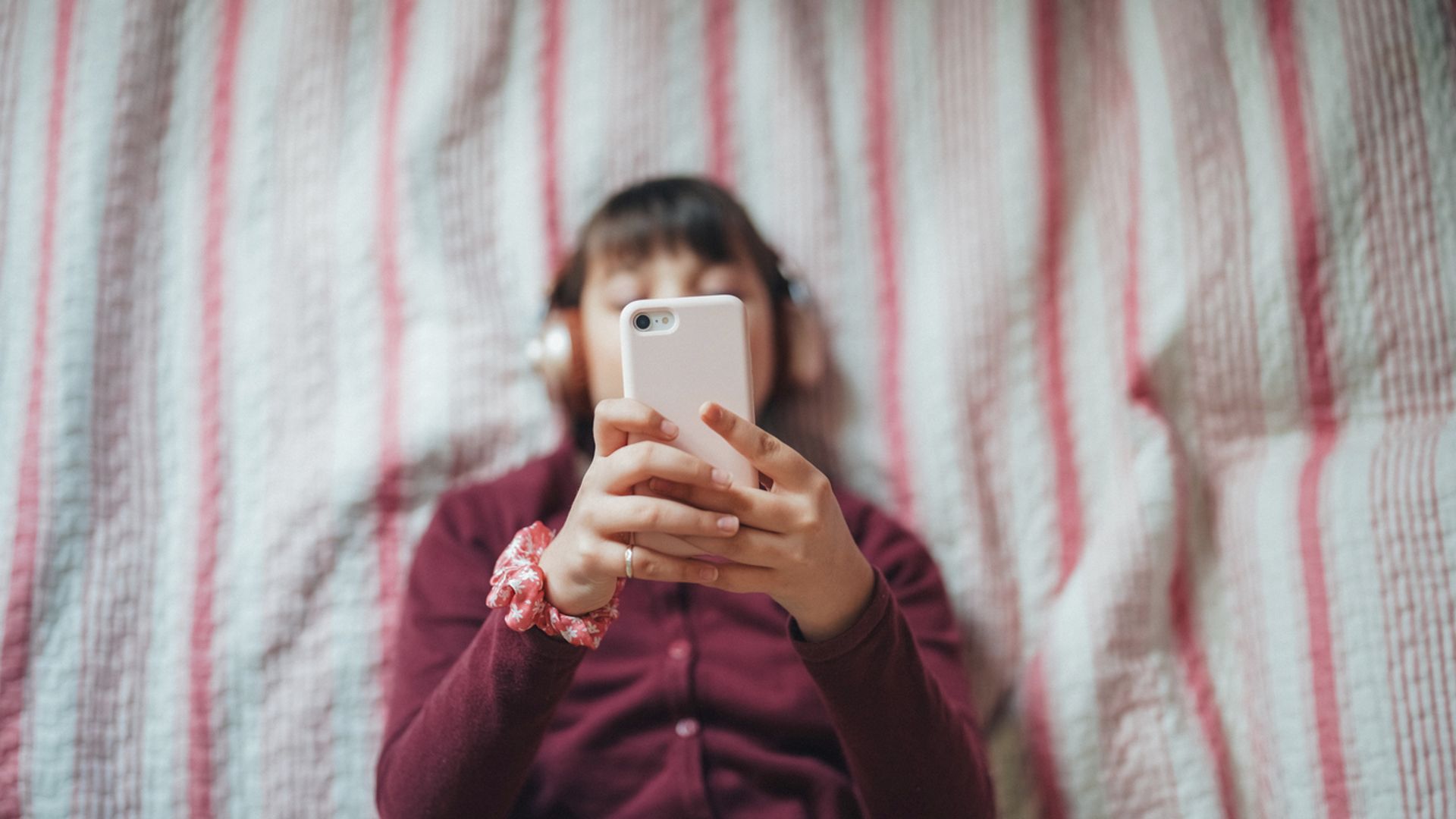
Hundreds of teenagers are about to lose access to their favorite apps. It sounds like a parent’s fever dream or a teenager’s worst nightmare, but a massive trial period is officially kicking off to see what happens when we unplug an entire generation from the algorithm. We aren't just talking about a "digital detox" weekend at summer camp. This is a structured, large-scale experiment aimed at gathering the data that politicians and tech giants have ignored for a decade.
The trial involves banning hundreds of teenagers from using social media platforms like TikTok, Instagram, and Snapchat for a set period. Researchers want to see if the sky falls or if these kids actually start sleeping, talking, and feeling better. It's a radical move. It's also probably long overdue.
Most people think this is just about "screentime." It’s not. It’s about the underlying architecture of how young brains develop when they're constantly fed a stream of dopamine-inducing short-form video and curated perfection. If you've been paying attention to the rising rates of anxiety and depression among Gen Z and Gen Alpha, you know the status quo is broken. This trial is the first real attempt to prove it with hard evidence rather than just "vibes" and anecdotal complaints from frustrated teachers.
Why this trial is different from a simple phone ban
We've seen schools ban phones before. That usually just leads to kids hiding them in their laps or using them in the bathroom. This trial is different because it targets the platforms themselves and monitors the biological and psychological shifts in the participants. We're looking at things like cortisol levels, REM sleep cycles, and peer-to-peer social interaction metrics.
Participants aren't just being told "no." They're being studied. This isn't a punishment; it's a clinical observation of what happens when the digital noise stops.
The dopamine loop is the real target
Social media isn't just a tool for communication anymore. It’s an intermittent reinforcement machine. Every like, every scroll, every notification triggers a tiny hit of dopamine. For a 14-year-old whose prefrontal cortex is still under construction, this is basically digital crack. By removing the stimulus for a prolonged trial period, researchers can see how long it takes for the brain's reward system to recalibrate.
Honestly, it’s a bit scary that we need a formal trial to tell us that staring at a screen for seven hours a day might be bad. But in the world of policy and lawmaking, you need data. This trial provides that data. It moves the conversation from "I think this is bad" to "Here is the statistical proof of harm."
What the trial participants will actually do
You might wonder how you even get a teenager to agree to this. The trial often uses a mix of volunteers and compensated participants. They aren't just sitting in a dark room. They're encouraged to replace that digital time with analog activities.
- Face to face socialization without the pressure of recording it for a Story.
- Hobbies that require deep focus like reading, sports, or music.
- Unstructured boredom which is actually where creativity usually starts.
The "boredom" part is huge. Most kids today don't know how to be bored. The moment there's a lull in activity, the phone comes out. This trial forces them to sit with their own thoughts. That's uncomfortable at first. It might even be painful. But it’s necessary for mental growth.
The legal and political ripple effect
This isn't happening in a vacuum. Governments around the world are watching these results. From the UK’s Online Safety Act to various state-level bills in the US, the momentum is building to keep kids off these platforms until they're older.
Critics say this is "nanny state" overreach. They argue that parents should be the ones to decide. While that sounds good in theory, it ignores the reality that these apps are designed by some of the smartest engineers in the world to be addictive. Expecting a parent to fight against a multi-billion dollar algorithm is like expecting someone to fight a tank with a toothpick. It’s an unfair fight.
If this trial shows a significant improvement in student mental health and academic performance, expect the calls for a permanent ban under the age of 16 to get much louder. We’re likely looking at a future where "Age Verification" isn't just a checkbox you can lie about, but a strict requirement tied to government ID or biometric data.
Challenges that could ruin the experiment
It won't be easy. The biggest hurdle is the "Social Death" factor. For a teenager, being off social media often means being left out of the loop. If all your friends are planning a party on a group chat you can't access, you're isolated.
That isolation can sometimes cause more stress than the social media itself. This is why the trial needs to involve groups of friends or entire communities rather than just isolated individuals. If everyone is "out," no one is left out.
There's also the issue of the "Withdrawal Phase." The first week is usually a disaster. Kids get irritable. They get restless. They might even get aggressive. If the trial period isn't long enough, researchers might only see the withdrawal symptoms and conclude that the ban is "hurting" the kids, when in reality, they just haven't cleared the "detox" phase yet.
What you can do right now
You don't have to wait for a government trial to see how this works in your own life or your family’s. The data from early pilot programs suggests that even a 48-hour break can significantly lower stress levels.
Stop waiting for a law to change things. You can start a "mini-trial" at home. It doesn't have to be a total ban. Start with "No Phones at the Table" or "No Screens After 9 PM." But be warned: you have to do it too. You can't tell your kid to get off TikTok while you're scrolling through Facebook or LinkedIn.
The real power of this trial isn't just in the ban itself. It's in the realization that we have a choice. We aren't forced to be tethered to these devices. We just forgot how to live without them.
Keep an eye on the results of this specific teenager trial. They’ll likely be published within the next six months. If the numbers show what most experts expect—a sharp decline in anxiety and a jump in focus—the "Social Media Ban" might go from a trial to a global standard faster than you think.
Start by auditing your own notifications tonight. Turn off everything that isn't from a real person. That’s the first step in taking back your attention. Then, see if you can handle 24 hours without checking a single feed. It’s harder than it sounds.