The Myth of the Equal Table
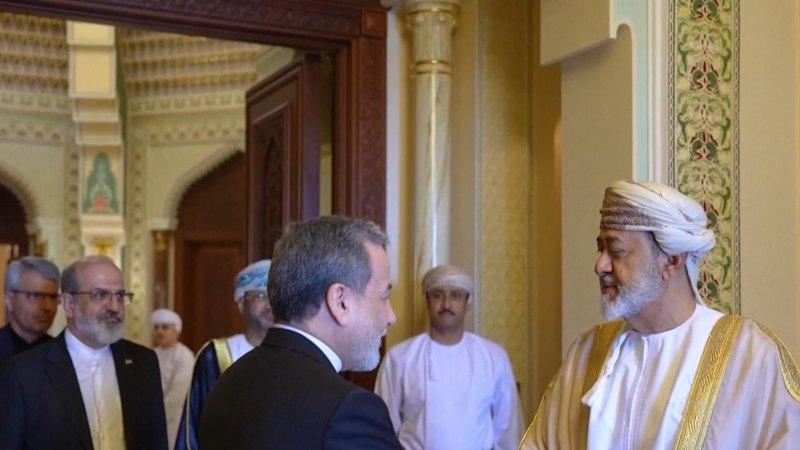
Stop reading the breathless live blogs about tea at Buckingham Palace and handshakes in the Oval Office. The media is obsessed with the "special relationship" because it provides a comfortable narrative of shared destiny. It suggests that the United Kingdom is the indispensable wingman to the American superpower.
It is a lie.
The reality is far more transactional, cold, and, frankly, one-sided. While the British press treats a meeting between King Charles and a US President as a tectonic shift in global geopolitics, Washington views it as a polite scheduling requirement. I have sat in the rooms where these "strategic partnerships" are discussed. The Americans do not talk about history or shared values. They talk about market access, intelligence yields, and military footprint.
The UK is not a partner. It is a high-value asset that is currently depreciating.
Diplomacy is Not a Personality Contest
The "lazy consensus" suggests that the friction or chemistry between a President and a Monarch determines the fate of the Western world. This is the Great Man Theory of history applied to a tabloid era. Whether the resident of 1600 Pennsylvania Avenue likes the King is irrelevant to the structural pressures of the global economy.
The US is currently pivoting toward a protectionist, "America First" stance that transcends party lines. This isn't a glitch; it is the new operating system. While British commentators fret over whether a specific administration will "honor" the special relationship, they ignore the fact that the US Congress has zero incentive to grant the UK a preferential trade deal.
Why would they? The UK has already surrendered its leverage as the gateway to Europe. In the cold calculus of trade, Britain is now a mid-sized island with a service-heavy economy that offers very little that the US cannot get elsewhere—or manufacture at home under new subsidy regimes.
The Intelligence Trap
The most frequent defense of this phantom relationship is the Five Eyes intelligence sharing. "We see what they see," the defense hawks claim.
Yes, the technical integration between GCHQ and the NSA is profound. But do not confuse data sharing with influence. The US collects the vast majority of the "raw feed." The UK provides the sophisticated analysis and a few strategic geographic nodes. In this exchange, the UK is a specialized subcontractor.
I’ve seen how this plays out in real-time. When US interests diverge from British ones—take the withdrawal from Afghanistan or the shifting stance on Pacific trade—the "special" partner is often the last to get the memo. Integration is not the same as consultation. Being plugged into the machine doesn't mean you have a hand on the dial.
The King is a Symbol, Not a Shield
The spectacle of a Royal visit is designed to distract from this loss of agency. Soft power is the consolation prize for nations that can no longer exercise hard power effectively.
We see the British government leaning on the Monarchy to "smooth over" diplomatic rough patches. It is a tactic rooted in the 19th century. In the 21st, the CEO of a Tier 1 tech firm has more influence over US policy than a dozen royal banquets. When the UK sends the King to talk to the President, it isn't a show of strength. It is a confession that they have run out of actual economic or military cards to play.
The Trade Deal Delusion
Let’s dismantle the premise of the "imminent trade deal" that the media loves to dangle.
- Agriculture: The US will not sign a deal that doesn't involve the UK accepting American farming standards. The UK public will not accept "chlorinated chicken."
- Healthcare: Any comprehensive deal would require opening the NHS to American pharmaceutical pricing and service providers. This is political suicide in London.
- Digital Services: The UK wants to tax the very tech giants that the US government is sworn to protect on the global stage.
These are not "details to be ironed out." These are fundamental, irreconcilable differences in national interest. The "special relationship" cannot bridge a gap created by a thousand miles of diverging regulations.
The Cost of Being a Loyal Lieutenant
The UK's insistence on being the "bridge" between the US and Europe has left it standing in the middle of the Atlantic, getting hit by the wind from both sides. By tethering its foreign policy so tightly to Washington, London has alienated its closest neighbors and limited its own room for maneuver.
Look at the AUKUS submarine pact. It was heralded as a triumph of the special relationship. In reality, it tied the UK to a decades-long procurement cycle dictated by American technology and Australian financing, all while infuriating the French. It wasn't a strategic choice; it was an admission that the UK can no longer maintain a blue-water navy without being an auxiliary to the US fleet.
Stop Asking the Wrong Question
The press asks: "Will the relationship survive this President?"
The real question is: "Why is the UK still pretending this is a relationship of equals?"
The UK needs to stop behaving like a jilted lover every time a US President looks at another region. The path forward isn't through "reinvigorating" a tired 1940s slogan. It’s through brutal pragmatism.
- Diversify alliances: Stop waiting for a trade deal that isn't coming and focus on CPTPP and bilateral agreements with emerging powers that actually need what the UK sells.
- Acknowledge the junior status: Use the "special relationship" for what it is—a niche intelligence and special forces partnership—and stop trying to make it a pillar of economic policy.
- Invest at home: Soft power is a depreciating asset. If the UK wants the US to listen, it needs an economy that the US can't afford to ignore.
The Reality Check
The "special relationship" is a marketing term used by British politicians to convince their voters that the country still sits at the "Top Table." The Americans use the term because it's polite and costs them nothing.
When you see the photos of the King and the President, look past the smiles. Look at the balance of trade. Look at the defense spending. Look at who is setting the rules for the next century of technology. It isn't a partnership of brothers. It’s a superpower and its most loyal, increasingly anxious, satellite state.
The sooner the UK accepts that the "special relationship" is a ghost, the sooner it can start building a future based on the world as it actually exists, rather than a world that died in 1945.
The tea is cold. The party ended years ago. It’s time to leave the house.