/200199910-001-58b9cf5c5f9b58af5ca83533.jpg)
Iran just blinked in the Persian Gulf. After months of threatening to choke the world's most vital energy artery, Tehran has officially reopened the Strait of Hormuz to international shipping traffic. It’s a massive development for global oil markets, yet the celebration in Washington is nonexistent. That’s because the Trump administration isn't moving an inch on its economic blockade. If you thought a clear waterway meant a clear path to peace, you haven't been paying attention to the hardline strategy currently dominating the White House.
The reality is simple. Iran needs the oil flowing to keep its economy from a total collapse. Donald Trump wants the oil stopped until he gets a signature on a brand-new nuclear deal that goes way beyond the original 2015 agreement. We’re in a bizarre geopolitical limbo where the ships can technically pass, but the money remains trapped behind a wall of US Treasury sanctions.
Why the Strait of Hormuz matters right now
The Strait of Hormuz is a narrow stretch of water that carries about 20% of the world’s liquid petroleum. It’s the ultimate leverage point. For decades, Iran used the threat of closing this chokepoint as its "nuclear option" for conventional warfare. By reopening it now, Tehran is trying to signal that they aren't the aggressors. They want the world to see them as the reasonable party while the US maintains what they call "economic terrorism."
But don't mistake this for a sign of Iranian strength. It’s a move born of desperation. Inflation in Iran has stayed in the double digits for years, and the rial is essentially a piece of paper with no value on the international market. Opening the Strait is a plea to the European Union and China to keep buying their crude, even if the US says no.
The Trump blockade is a different kind of war
We aren't seeing a traditional naval blockade with rows of battleships stopping tankers. Instead, the Trump administration is using the US dollar as a weapon. This "maximum pressure" campaign targets any company, bank, or country that dares to process a transaction for Iranian oil.
The blockade stays until a final truce is signed. That's the word from the State Department. They don't care that the water is open. They care that the bank accounts are closed. Trump’s team is betting that the Iranian leadership will break before the US resolve does. It's a high-stakes gamble that has pushed the Middle East to the brink of a hot war several times in the last year.
The phantom fleet and sanction evasion
Even with the blockade, Iran hasn't stopped selling oil entirely. They’ve become masters of the "shadow fleet." These are aging tankers that turn off their transponders, paint over their names, and engage in ship-to-ship transfers in the middle of the night.
- Dark ship tactics: Turning off AIS (Automatic Identification System) to disappear from tracking maps.
- Flag hopping: Constantly changing the country where the ship is registered to stay ahead of inspectors.
- Middleman laundering: Selling oil to small refineries in Asia that don't have exposure to the US financial system.
These tactics keep some cash flowing into Tehran, but it's a trickle compared to what they need. It’s expensive, risky, and inefficient. The Trump administration knows this. They’re happy to let Iran struggle with these "pirate" economics while the formal blockade remains the law of the land.
What a final truce actually looks like
Trump has been clear about his demands. He doesn't just want a pause on uranium enrichment. He wants a total end to Iran's ballistic missile program and a complete withdrawal of Iranian-backed militias from Syria and Iraq. To the leadership in Tehran, that’s not a truce. That’s a surrender.
This is why the reopening of the Strait of Hormuz is mostly symbolic. It’s a tactical shift, not a strategic one. Both sides are waiting for the other to flinch. Iran hopes the global price of oil will spike so high that the world forces Trump to back down. Trump is betting that the internal protests in Iran will force the Supreme Leader to the negotiating table.
The European dilemma
Brussels is caught in the middle. European leaders hate the Trump blockade. They think it's destabilizing the region and hurting their own energy security. They tried to set up alternative payment systems like INSTEX to bypass the US dollar, but honestly, it failed. No major European company is willing to risk being banned from the US market just to buy a few barrels of Iranian crude.
The US market is too big. The dollar is too dominant. The blockade is effective because everyone is afraid of the US Treasury, not because they agree with the policy.
The risk of a miscalculation is climbing
When you have a "blockade" that isn't a physical line in the water, things get messy. If a ship carrying Iranian oil is seized in international waters, who responds? If an Iranian drone shadows a US carrier in the newly "open" Strait, does the Pentagon fire?
We've seen these skirmishes before. Mines on tankers, downed surveillance drones, and "accidental" collisions. The opening of the Strait reduces the immediate risk of a total maritime shutdown, but it doesn't lower the temperature of the underlying conflict. The blockade is the real source of friction, and that isn't going anywhere.
Oil prices and the 2026 outlook
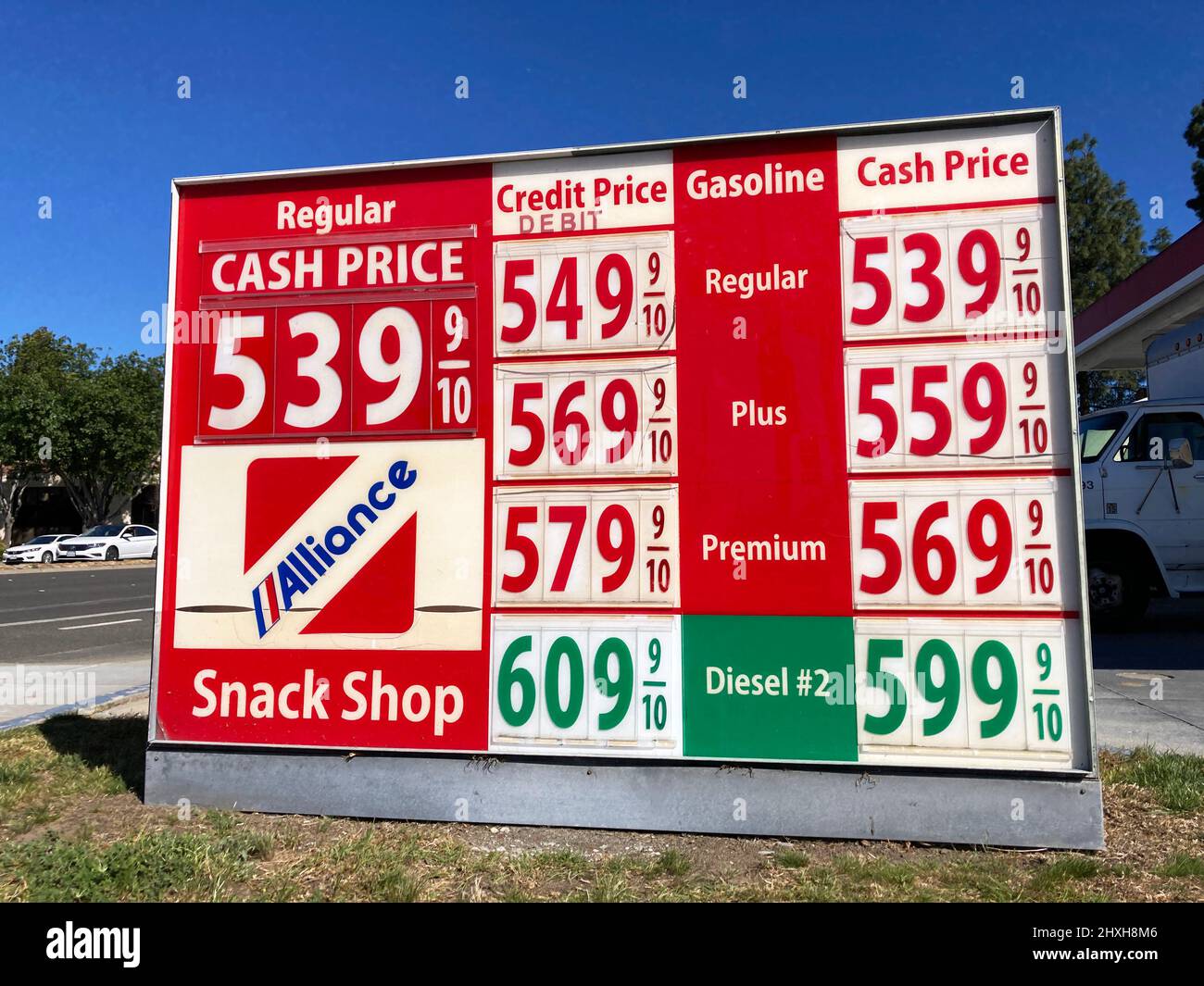
Traders are watching the "Strait open" headlines with a grain of salt. Yes, it’s good news for supply stability, but as long as the blockade is in place, millions of barrels of Iranian oil stay off the formal market. This keeps a floor under oil prices. If the blockade were lifted tomorrow, we’d likely see a massive price drop as Iranian supply flooded back into the system.
For now, expect volatility. The Strait might be open for business, but the world's biggest customer—the global financial system—is still barred from entering the store.
If you're looking for the next move, don't watch the ships in the Gulf. Watch the diplomatic cables coming out of Switzerland and the sanctions lists coming out of Washington. That's where the real war is being fought. Keep an eye on the weekly oil inventory reports. If the shadow fleet's numbers start to climb, it means Iran is finding ways around the wall. If those numbers stay flat, the blockade is winning. Prepare for a long, quiet standoff where the only things moving are the waves and the rhetoric.