You’ve likely seen the headlines about the Strait of Hormuz basically turning into a no-go zone over the last two weeks. It’s been chaotic, but there’s finally a sliver of good news for your kitchen budget. Iran just gave the green light for two Indian-flagged LPG carriers, the Shivalik and the Nanda Devi, to sail through the world’s most dangerous chokepoint.
This isn't just a routine maritime update. It’s a massive diplomatic win that might actually stop the price of your cooking gas from hitting the moon.
The Shivalik and Nanda Devi Breakthrough
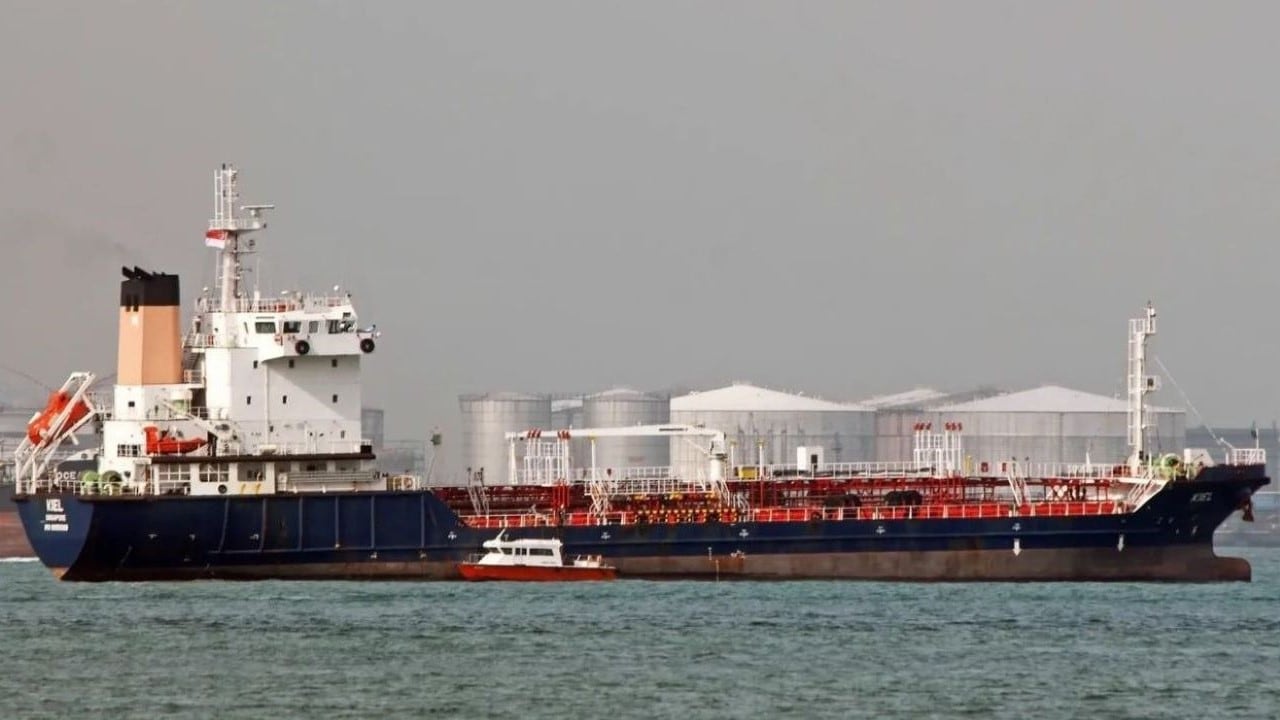
The Shivalik, a massive vessel carrying over 54,000 tonnes of LPG, cleared the Strait on Friday night under a watchful escort from the Indian Navy. Its sibling, the Nanda Devi, followed closely behind. These aren't just ships; they’re floating lifelines for a country that’s been staring down its worst energy crisis in decades.
Since the US-Israel-Iran conflict exploded on February 28, the Strait has been functionally closed. While Tehran says they haven't "officially" shut it, the reality on the water tells a different story. Drones, mines, and targeted strikes have kept most tankers anchored in fear. India, however, seems to have found a "friendship" loophole.
Why India got the pass
- Diplomatic Heavy Lifting: External Affairs Minister S. Jaishankar has been on the phone constantly with his Iranian counterpart, Abbas Araghchi.
- Neutral Ground: India has played a careful game, avoiding direct involvement in the US-Israel military campaign while providing safe harbor to over 180 Iranian sailors since the war broke out.
- Interdependence: Iran knows India is a major buyer and a regional heavyweight they can't afford to alienate while they're fighting for survival.
The Reality of the Gas Crisis at Home
If you’ve tried to book a cylinder lately, you know the struggle. The government already hiked domestic LPG prices by 60 rupees and commercial ones by 115 rupees earlier this month. But the real problem isn't just the price—it's the availability.
In cities like Mumbai and Bengaluru, the hospitality sector is basically on life support. About 20% of Mumbai's restaurants have already shut their doors because they simply can't get gas. People are panic-buying, and black-market prices for a single cylinder have reportedly touched 2,500 rupees in some pockets.
The arrival of these two tankers won't fix everything overnight, but it’s a start. India imports roughly 60% of its LPG, and a staggering 90% of those imports usually come through that narrow strip of water between Iran and Oman. When that flow stops, the clock starts ticking for every household in the country.
What the Government is Doing
The Ministry of Petroleum and Natural Gas isn't just waiting for ships. They’ve invoked the Essential Commodities Act to stop hoarding. Refineries have been ordered to stop making plastics and chemicals and instead divert every drop of propane and butane into the LPG pool. This has already boosted domestic production by about 25%, but it’s still not enough to offset a total blockade of the Persian Gulf.
Security on the Water is Still a Mess
Don't let this one-time passage fool you into thinking the Strait is safe. It’s still a literal minefield. The Indian Navy is operating under Operation Sankalp, providing escorts where they can, but the risk is extreme.
Just days ago, vessels like the Express Rome and Mayuree Naree were struck because they allegedly ignored Iranian warnings. Iran is demanding that every single ship seeking passage must obtain explicit permission. If you don't ask, you're a target. The fact that India got this permission speaks volumes about the current geopolitical pecking order.
What You Should Actually Do
Stop panic-booking. The government has already increased the minimum gap between bookings to 25 days to manage the surge. Panic only fuels the black market and makes it harder for everyone else to get their supply.
Keep an eye on the news regarding the 24 other Indian-flagged vessels still sitting west of the Strait. If those start moving, the supply chain will stabilize. For now, we're in a "wait and see" mode, but the successful transit of the Shivalik proves that the diplomatic channel is open and working.
Check your local distributor's stock levels through official apps rather than relying on WhatsApp rumors. The situation is tight, but the "friendship" pass from Tehran suggests that the total blackout everyone feared might be avoided.