Beyond the Diplomatic Handshake
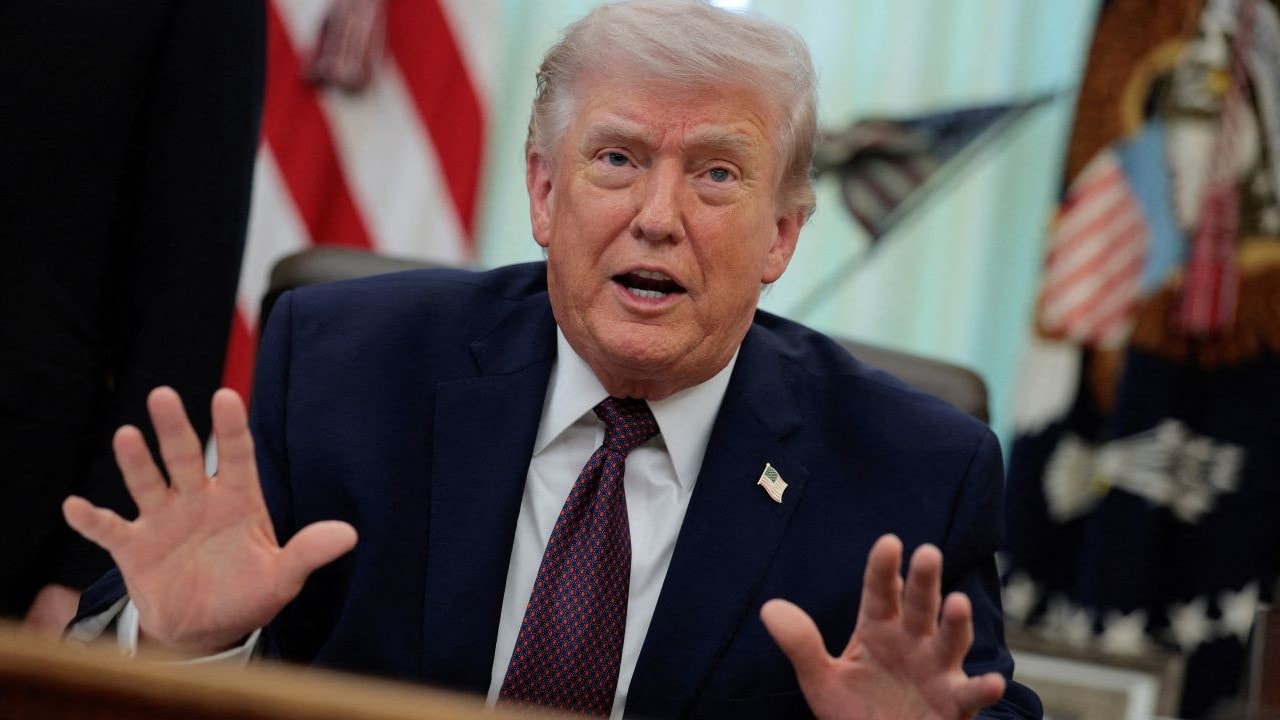
When Austrian Chancellor Karl Nehammer met with Indian President Droupadi Murmu, the cameras captured the standard imagery of international relations. The smiles were practiced. The handshakes were firm. However, the true story of this meeting does not reside in the mahogany halls of Rashtrapati Bhavan. It lives in the shifting tectonic plates of European energy security and India's desperate need for high-tier manufacturing precision.
Austria is often dismissed by casual observers as a quiet, neutral alpine enclave. That is a mistake. In the world of specialized metallurgy, green hydrogen infrastructure, and automotive engineering, Austria is a silent titan. For India, a nation currently sprinting to modernize its industrial base while detaching itself from over-reliance on a single northern neighbor, Vienna represents a gateway to specialized European technology that Berlin or Paris often gatekeep with more bureaucracy. If you found value in this post, you should read: this related article.
This visit marks the end of a decades-long period of "polite distance" between the two nations. We are seeing a hard-coded shift toward a Strategic Partnership that prioritizes hardware over rhetoric.
The Hydrogen Gamble and the Green Transition
The most significant, yet least discussed, pillar of this renewed alliance is the race for green hydrogen. India has set an ambitious target to become a global hub for the production and export of this fuel. But India lacks the electrolyzer efficiency required to make the math work on a global scale. For another look on this development, see the recent update from Forbes.
Austria has spent the last decade perfecting the "green steel" process and advanced electrolysis. Firms based in Linz and Graz are currently ahead of the curve in integrating renewable energy directly into heavy industrial manufacturing. The math is simple. India provides the scale and the sunlight; Austria provides the proprietary engineering to capture it.
- Technology Transfer: India is no longer looking for "off the shelf" products. The current administration is demanding the transfer of core intellectual property.
- Logistics: Discussions are quietly centering on how Austrian logistics firms can help optimize India’s chaotic inland waterway system, modeled after the efficient management of the Danube.
This isn't about charity. It is about survival for the Austrian mid-market. With the European economy stuttering under high energy costs and stagnant domestic demand, the Austrian Mittelstand—the specialized medium-sized companies that form the backbone of their economy—needs the Indian market to maintain its R&D pace.
Labor Migration and the Talent Deficit
Europe is aging. India is young. But the old model of "brain drain" is being replaced by a more surgical approach to labor mobility. One of the quietest but most vital components of the Nehammer-Murmu talks involves the Migration and Mobility Partnership Agreement.
Austria faces a crippling shortage of skilled engineers and IT professionals. Conversely, India produces millions of graduates, many of whom find the traditional paths to the US or UK increasingly blocked by tightening visa regimes. By creating a fast-track corridor for Indian professionals to enter the Austrian tech sector, Vienna is securing its industrial future while India ensures its diaspora has a foothold in the heart of the European Union.
This is a cold, calculated exchange of human capital.
The Problem with the Current Framework
It would be naive to suggest this path is without friction. The primary hurdle remains the EU-India Free Trade Agreement (FTA). While Austria and India can sign bilateral MoUs on innovation, the heavy lifting of tariffs and trade barriers happens at the Brussels level.
Austria has historically been protective of its agricultural sector, and India remains one of the most protectionist major economies in the world regarding retail and legal services. These two realities are currently in a head-on collision. If the strategic partnership remains limited to "innovation ties" without addressing the hard cost of moving goods across borders, the recent diplomatic fanfare will be nothing more than a footnote in a decade's time.
Defense and Dual Use Technology
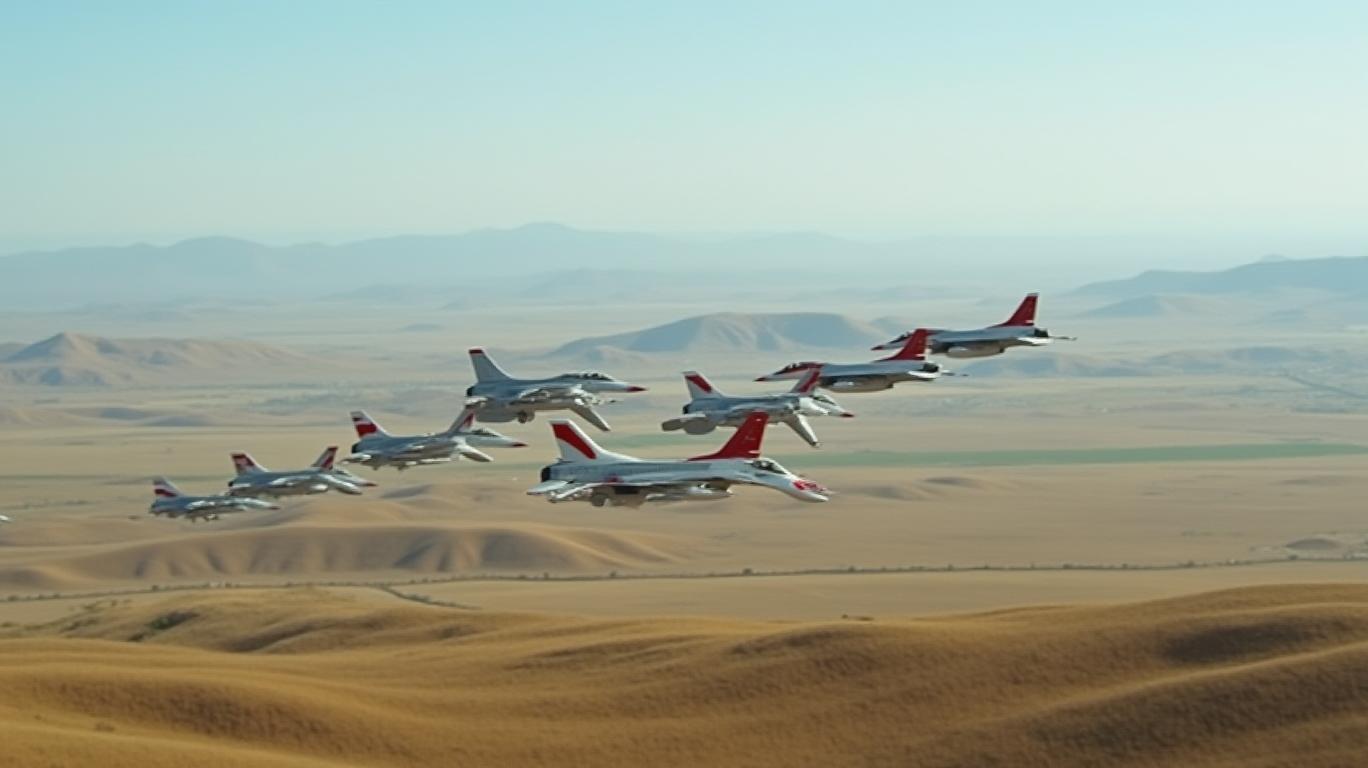
Wait for the defense contracts. While much of the public discourse focused on "innovation," the underlying current involves dual-use technology. Austria’s neutrality prohibits the export of lethal weaponry to active conflict zones, but their expertise in sensor technology, high-altitude mountain warfare equipment, and surveillance drones is world-class.
India’s border challenges in the Himalayas require specific gear that standard Western manufacturers often overlook. The Austrian Steyr-Mannlicher legacy is just the tip of the iceberg. We are looking at a future where Indian defense startups co-develop mountain-specific tech with Austrian firms, bypassing the political baggage that comes with larger players like the US or Russia.
This isn't just about buying rifles. It's about optics, thermal imaging, and the telemetry systems that make modern borders enforceable.
Why This Matters for the Global Order
We are witnessing the fragmentation of global power into smaller, more functional "minilateral" groupings. The era of the "Grand Alliance" is fading. In its place, we see surgical partnerships like India-Austria.
These relationships are built on specific needs. India needs the Euro-standard certification and precision engineering to make its "Make in India" products viable in Western markets. Austria needs a massive, growing economy to offset the demographic winter of the European continent.
The move toward a comprehensive strategic partnership is a signal to the rest of the EU. It says that while Brussels deliberates, individual member states are moving ahead to secure their own economic lifelines.
The Real Beneficiaries
- Semiconductor Ancillaries: Austria’s expertise in chemicals and specialized machinery used in chip fabrication.
- Renewable Energy Developers: Companies looking to scale solar and wind storage solutions in the subcontinent.
- Skill Training Institutes: Joint ventures that will train the next generation of Indian technicians to Austrian vocational standards.
The rhetoric from the Rashtrapati Bhavan was predictably glowing. Leaders spoke of shared values and democratic ideals. But the real work is happening in the boardrooms of Vienna and the industrial parks of Pune. The success of this relationship will be measured not in the warmth of the smiles, but in the volume of high-tech exports and the number of work permits issued.
If the bureaucrats can stay out of the way of the engineers, this corridor could become one of the most efficient conduits for technology in the 21st century. The window of opportunity is narrow, and the competition from other European nations like Poland and the Czech Republic for India's attention is fierce. Vienna has made the first move; now it has to deliver the goods.