The resumption of diplomatic contact between Washington and Tehran is not a precursor to a comprehensive grand bargain but a tactical calibration of the status quo. To analyze these talks accurately, one must look past the "breakthrough" narrative and examine the specific cost-benefit matrices that drive both parties toward the negotiating table. The upcoming sessions represent a high-stakes maintenance of "no war, no deal"—a precarious equilibrium where both sides seek to prevent a regional conflagration without making the fundamental concessions required for a long-term treaty.
The Tri-Pillar Framework of Modern US-Iran Friction
Current negotiations are governed by three distinct, yet interconnected, pillars. Failure to address any one of these pillars results in a total systemic collapse of the diplomatic process.
- Nuclear Latency and Monitoring Thresholds: The primary technical friction point involves Iran’s uranium enrichment levels. As enrichment nears the 90% weapons-grade threshold, the "breakout time" (the duration required to produce enough fissile material for a nuclear device) shrinks toward zero. The US objective is to increase this duration through International Atomic Energy Agency (IAEA) oversight, while Iran uses its enrichment capacity as a primary piece of leverage.
- Regional Proxy Dynamics and Kinetic Deterrence: The conflict is not limited to centrifuges. It extends to the "Gray Zone"—the space between peace and open warfare. This includes the activities of the "Axis of Resistance" and the reciprocal US strikes on militia infrastructure. These actions function as a non-verbal signaling system where each side tests the other’s tolerance for risk.
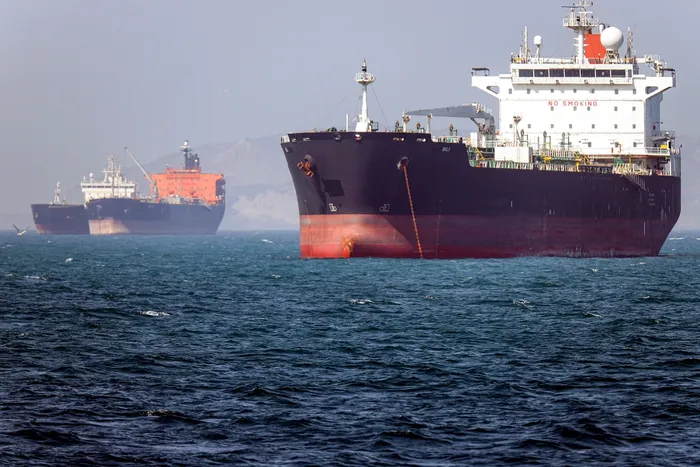
- The Sanctions-Enforcement Loophole: Iran’s economy remains under a "maximum pressure" architecture, yet its oil exports have reached multi-year highs, largely through "dark fleet" shipping and unconventional banking channels. The US utilizes the threat of stricter enforcement as a bargaining chip, while Iran demands formal, codified relief that would survive a change in US administration.
The Asymmetric Incentive Structure
The logic of the talks is dictated by an asymmetry of needs. The US administration requires a stable Middle East to focus resources on the Indo-Pacific and Eastern Europe. A crisis with Iran is a strategic distraction that consumes political capital and military readiness. For Washington, the goal is "containment through communication."
Tehran operates on a different timeline. The Iranian leadership views the nuclear program as a survival insurance policy. Their participation in talks serves to mitigate the risk of an Israeli or US preemptive strike and to potentially unlock frozen assets. The fundamental tension arises because the US seeks a permanent change in Iranian behavior, whereas Iran seeks temporary economic oxygen without abandoning its long-term strategic depth.
The Mechanism of "Salami Slicing" Diplomacy
Since a return to the 2015 Joint Comprehensive Plan of Action (JCPOA) is politically and technically obsolete, the parties have pivoted to a "less-for-less" strategy. This involves incremental, reciprocal steps designed to de-escalate immediate threats without requiring formal legislative approval in either country.
- Step 1: The Enrichment Ceiling. Iran agrees to cap its stockpile of 60% enriched uranium. In return, the US signals a "softening" of sanctions enforcement on specific petroleum transactions.
- Step 2: Prisoner and Asset Swaps. These function as confidence-building measures. The release of dual nationals is often paired with the movement of Iranian funds from restricted accounts in third-party countries (like South Korea or Iraq) to monitored accounts in Qatar or Oman for humanitarian purchases.
- Step 3: Tactical De-confliction. The establishment of indirect communication channels to prevent miscalculations during regional skirmishes. This is the most critical component for preventing a localized rocket attack from spiraling into a regional war.
Structural Bottlenecks and Failure Points
The path to a stable agreement is obstructed by two primary bottlenecks that no amount of diplomatic "goodwill" can bypass.
The Verification-Compliance Gap
The IAEA has repeatedly noted a loss of "continuity of knowledge" regarding Iran’s centrifuge manufacturing and advanced enrichment activities. Without a physical inventory of components, any agreement to limit activity is built on a foundation of incomplete data. The US cannot offer significant sanctions relief without verifiable proof of compliance, and Iran will not grant total access without upfront relief. This creates a circular dependency that stalls progress.
The Legislative Veto and Political Risk
The US executive branch faces the "Iran Nuclear Agreement Review Act" (INARA), which mandates congressional review of any deal. The political cost of a formal treaty is prohibitively high in an election cycle. Conversely, the Iranian leadership is wary of any deal that can be discarded by a future US president via executive order. This "durability deficit" forces both sides into informal, unwritten understandings that are inherently fragile.
The Cost of Calculation Errors
The danger in the upcoming talks is not the absence of a deal, but the misinterpretation of signals. If the US interprets Iran’s willingness to talk as a sign of internal weakness caused by domestic unrest, it may overplay its hand with additional sanctions. If Iran interprets US restraint as a lack of resolve, it may push enrichment levels higher or expand proxy attacks to gain more leverage.
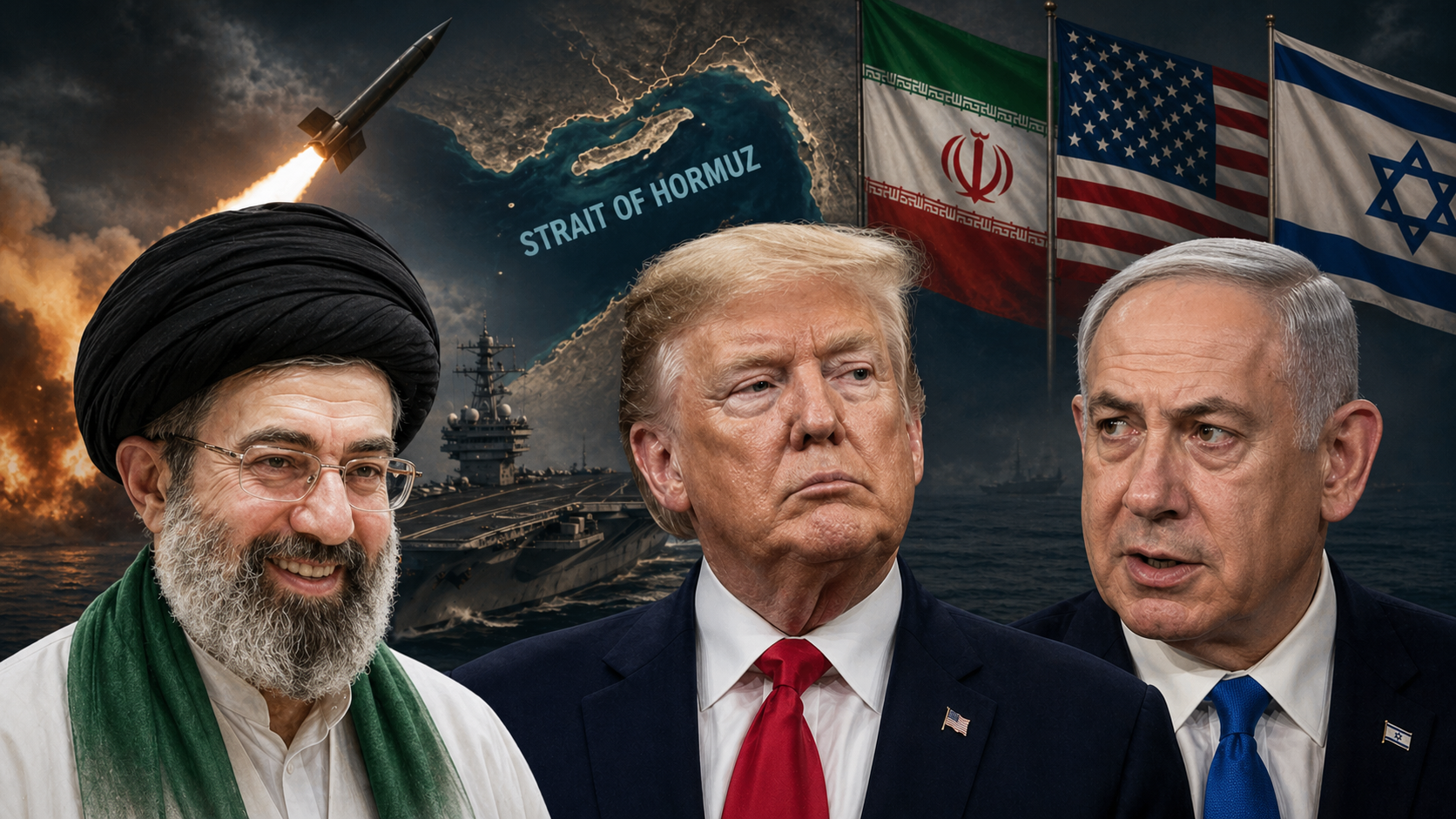
The math of deterrence is increasingly complex. The introduction of hypersonic missile technology and advanced drone warfare has changed the "cost function" of a direct military engagement. A conflict would not be a localized event; it would be a multi-front war impacting global energy markets and maritime security in the Strait of Hormuz.
Strategic Forecast: Managed Instability
Expect the upcoming meetings to produce a "freeze-for-freeze" framework. Iran will likely slow its accumulation of highly enriched uranium and offer limited access to specific IAEA-monitored sites. In exchange, the US will provide "non-paper" assurances that it will not pursue further restrictive resolutions at the IAEA Board of Governors and will maintain the current, porous level of sanctions enforcement.
This is not a resolution; it is a management strategy. The primary objective for the coming months is to keep the nuclear program below the "red line" of 90% enrichment while avoiding a direct kinetic confrontation between US forces and Iranian-backed groups. The success of these talks should be measured not by the signing of a document, but by the absence of a catastrophic escalation in a region already saturated with volatility.
The strategic play for external observers is to monitor the volume of Iranian oil exports and the specific rhetoric regarding "advanced centrifuge" installation. If exports remain high while centrifuge expansion pauses, the "less-for-less" framework is functioning. If enrichment continues while the US increases its carrier presence in the region, the diplomatic channel has failed, and the probability of a summer escalation increases by a factor of three.