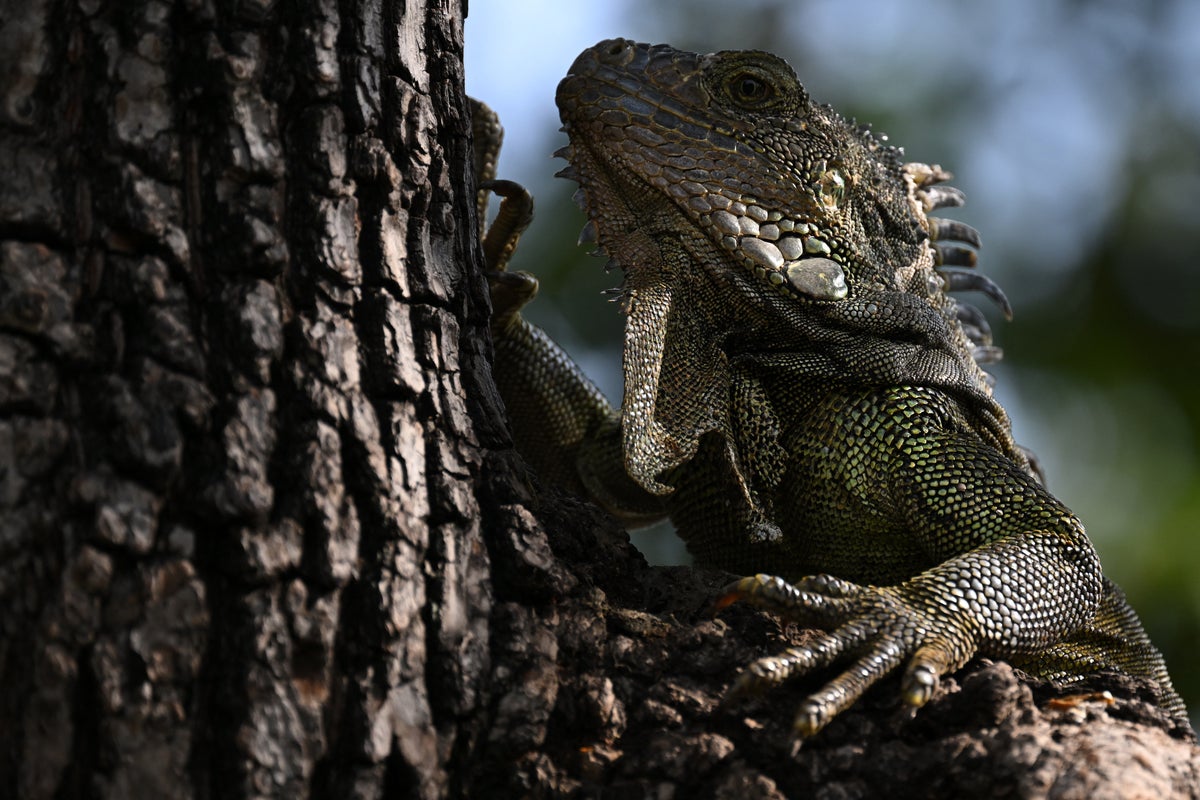
The seizure of thirteen live green iguanas (Iguana iguana) during a routine traffic stop in Florida exposes a critical failure in tactical smuggling: the trade-off between bio-security and transport efficiency. Most mainstream reporting focuses on the "bizarre" nature of finding zip-tied reptiles in a vehicle, yet this incident serves as a diagnostic window into the fragmented logistics of the multi-billion dollar illicit wildlife market. This analysis deconstructs the event through the lenses of supply chain risk, biological stress variables, and the legal framework of Invasive Species Management (ISM).
The Logistics of Constraint: Zip-Tying as a Risk Mitigation Tool
In the context of illicit wildlife transport, the "packaging" serves a dual purpose: immobilization for space optimization and noise/movement suppression to avoid detection. The use of plastic zip-ties represents a low-cost, high-reliability method of mechanical restraint. From a logistical perspective, this choice indicates a localized, low-capital operation rather than a professionalized transit network.
The biomechanical implications for the specimen are severe. Restraint via zip-ties targets the appendicular skeleton, specifically pinning the forelimbs and hindlimbs against the torso or tail. This creates three distinct physiological bottlenecks:
- Respiratory Compromise: Unlike mammals, iguanas utilize gular pumping and costal (rib) expansion for ventilation. Tight mechanical binding can restrict the expansion of the thoracic cavity, leading to hypoxia over long-duration transit.
- Thermal Dysregulation: As ectotherms, these reptiles require behavioral thermoregulation. Immobilization prevents the specimen from moving between microclimes to manage core body temperature, making them entirely dependent on the ambient temperature of the transport vehicle.
- Lactic Acid Accumulation: Prolonged struggle against rigid restraints triggers anaerobic metabolism, leading to metabolic acidosis. This often results in post-seizure mortality even after the specimens are "rescued."
The Regulatory Intersection: Florida’s Prohibited Species Framework
The legal gravity of this incident is dictated by the Florida Fish and Wildlife Conservation Commission (FWC) rulings regarding non-native species. In 2021, Florida shifted the Green Iguana from the "Permit Required" category to the "Prohibited" list. This reclassification fundamentally altered the risk-reward ratio for illicit possession.
Under the current ISM framework, the presence of these animals in a vehicle moves the offense from a simple permit violation to a high-grade misdemeanor or felony, depending on the intent to sell and the quantity involved. The shift to "Prohibited" status means that there is no legal pathway for private ownership or commercial sale of these specimens within the state. This creates a "Black Market Premium," where the scarcity of legal supply drives the incentive for clandestine transport.
The Three Pillars of Wildlife Trafficking Detection
Detecting such shipments relies on the intersection of three operational variables:
- Behavioral Indicators: Discrepancies in driver accounts or physiological signs of stress during a "routine" stop.
- Acoustic/Kinetic Signatures: Even when zip-tied, thirteen large reptiles generate shifting weight loads and scratching sounds that deviate from standard cargo signatures.
- Visual Anomalies: The improvised nature of "hidden" compartments in standard consumer trucks (e.g., under seats or in modified toolboxes) rarely holds up to basic structural inspection.
Economic Incentives vs. Operational Risk
The decision to transport thirteen iguanas simultaneously suggests a specific economic threshold. In the underground pet trade or the meat market (where iguanas are referred to as "chicken of the trees"), a single adult specimen may fetch between $50 and $200. A shipment of thirteen represents a gross market value of $650 to $2,600.
When the potential fines and legal fees—which can exceed $5,000—are factored in, the "expected value" of this smuggling run is negative. This suggests a lack of sophisticated risk modeling by the perpetrator. Smugglers operating at this scale typically fail to account for "Externalized Enforcement Costs," assuming that the probability of a traffic stop is low enough to justify the transit. They prioritize volume over concealment, a classic error in low-tier contraband logistics.
Ecological Consequences of Successful Transit
If the transport had reached its destination, the likely outcome would have been further "Invasive Seeding." The green iguana is a primary driver of infrastructure damage in South Florida. Their burrowing activities compromise the structural integrity of canal banks, levees, and seawalls.
The biological success of the Iguana iguana in Florida is attributed to a lack of natural predators and a high reproductive rate. A single female can lay up to 70 eggs per year. Therefore, the removal of 13 individuals from the potential breeding population is not merely a law enforcement win; it is a mitigation of future state expenditures. The cost of repairing seawall damage caused by iguana colonies far exceeds the cost of the law enforcement hours required to intercept the transport.
Tactical Failures in Concealment Strategy
The "weirdness" cited by initial reports is actually a lack of professional tradecraft. Professional wildlife traffickers utilize "Muted Transit" protocols:
- Climate-Controlled Containers: Specialized crates that maintain a steady 80°F to 85°F to keep the animals in a lethargic, low-oxygen-demand state.
- Pharmacological Restraint: The use of mild sedatives rather than mechanical zip-ties to prevent movement while maintaining respiratory function.
- Aesthetic Camouflage: Shipping animals inside legal goods (e.g., electronics or dry food) where the density of the surrounding material masks the biological silhouette during X-ray or physical inspection.
The failure to use any of these methods indicates that this was a "Point-to-Point" amateur run. The zip-tie method is the most primitive form of restraint, chosen for speed and immediate control rather than long-term specimen viability or professional concealment.
Strategic Vector: The Future of Biosecurity Enforcement
The transition of local police into de facto biosecurity agents is an emerging trend in states with high invasive pressure. We are moving toward a model where "Routine Traffic Enforcement" is integrated with "Ecological Protection."
Law enforcement agencies should pivot toward "Thermal Imaging Integration" for roadside inspections. Since iguanas are ectothermic, they appear as "cold spots" or distinct thermal silhouettes against the heat of a running vehicle's engine or the warm interior of a cabin. Deploying handheld Forward-Looking Infrared (FLIR) devices would allow officers to scan the interiors of stopped vehicles for biological cargo without initial physical entry, providing a data-driven basis for probable cause.
Furthermore, the legal system must recalibrate to treat these incidents as "Economic Sabotage." The damage to Florida's infrastructure by invasive reptiles is a quantifiable drain on the GDP. Sentencing should reflect the "Projected Ecological Damage Cost" of the specimens had they been released or sold, rather than simple possession penalties. This shifts the deterrent from a manageable "cost of doing business" to an existential risk for the smuggler.