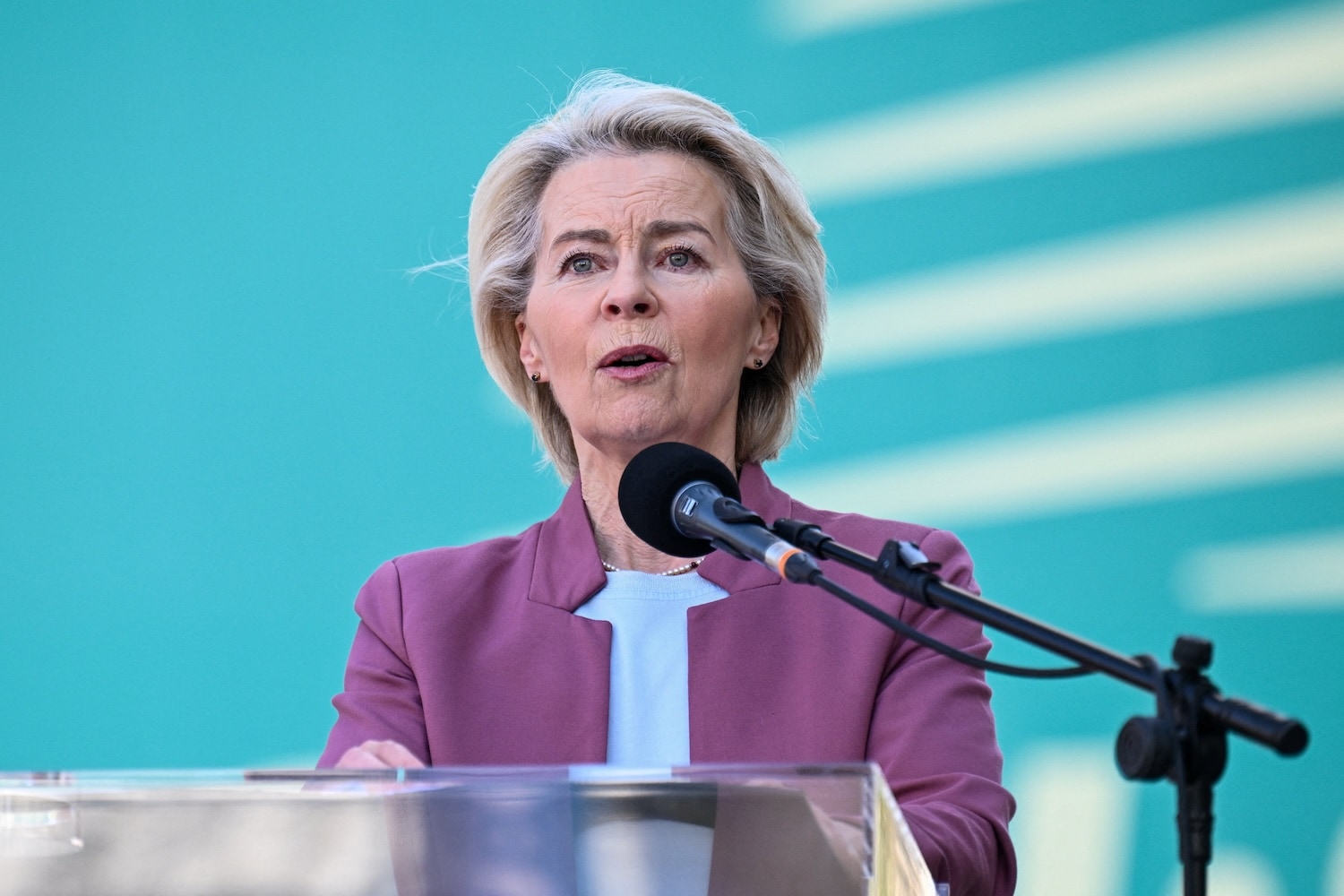
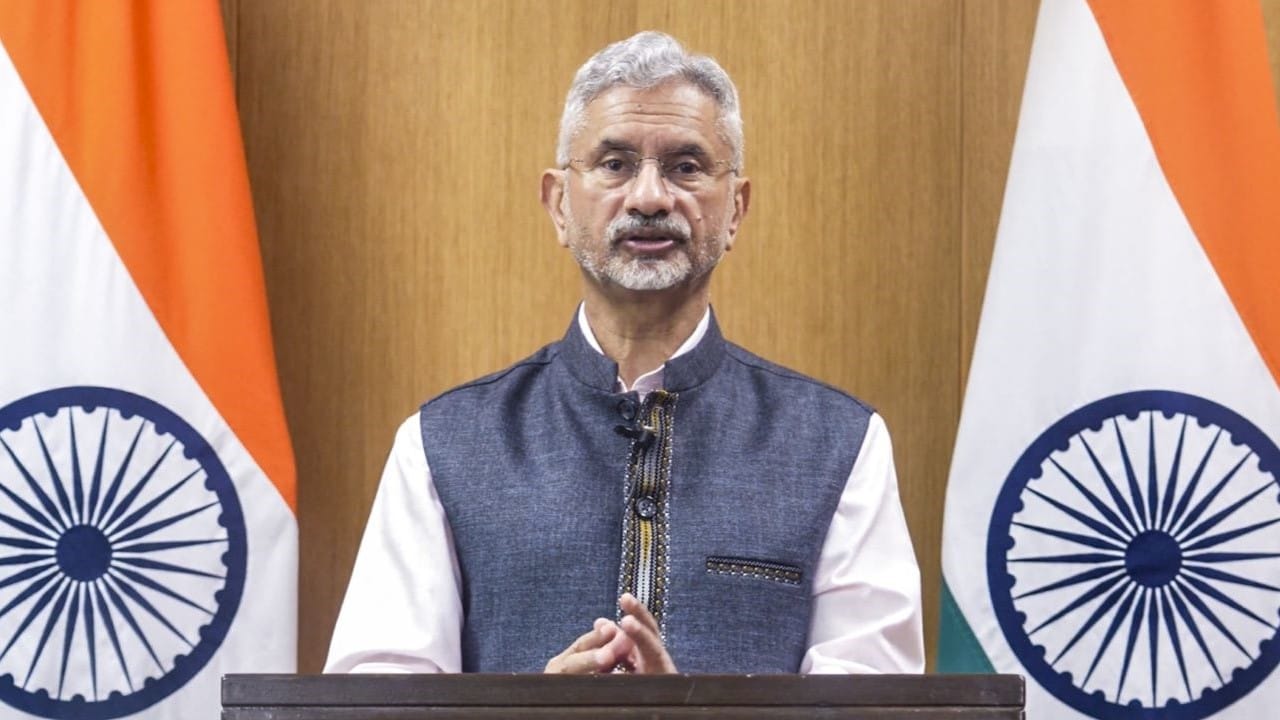
The meeting today in Paris between EU Trade Commissioner Maroš Šefčovič and US Trade Representative Jamieson Greer isn't a diplomatic summit. It is a hostage negotiation. While officials gather on the sidelines of the G7 ministerial to discuss "technical alignment" and "supply chain resilience," the actual agenda is written in 280-character bursts from the White House. President Donald Trump has effectively torched the Turnberry Agreement, threatening a 25% tariff on European cars and trucks that could dismantle the European automotive industry by the end of the week.
Europe is learning the hard way that a signed treaty with the current administration is merely a suggestion. The core of the crisis lies in a fundamental disagreement over the "Turnberry Agreement" struck last summer. Trump claims the EU hasn't opened its markets fast enough; Brussels insists it is following "standard legislative practice." In the gap between those two definitions lies a potential trade war that would hit a global economy already reeling from the war in Iran and the closure of the Strait of Hormuz. If you found value in this article, you might want to look at: this related article.
The Death of the Turnberry Truce
Last summer, the Turnberry Agreement was hailed as a stabilizing force. It capped US tariffs on EU autos at 15%, a reprieve from the 25% global rate. In exchange, the EU promised to ease regulations on American agricultural products and increase purchases of US liquefied natural gas. But the European Parliament, a body notoriously slow by design, only gave "conditional approval" to the pact in March.
Trump isn't interested in the nuances of Brussels’ bureaucracy. To him, "conditional approval" is a breach of contract. By announcing a hike to 25% via social media last Friday, he has bypassed the diplomatic machinery entirely. This isn't just about cars. It is about a total rejection of the rules-based order that has governed transatlantic trade since the end of the Second World War. For another look on this event, refer to the recent coverage from The Motley Fool.
The Greenland Shadow
While auto tariffs are the immediate weapon, the underlying friction is more personal and geopolitical. Tensions have simmered since earlier this year when the Trump administration revived its interest in Greenland, eventually threatening 10% to 25% tariffs on several European nations—including Denmark, France, and Germany—over their refusal to cede control or military access to the territory.
In Paris, French Finance Minister Roland Lescure has been vocal about the need to "react strongly and swiftly." For Paris and Berlin, the car tariffs are simply the latest chapter in a broader campaign of "economic coercion." The EU’s Anti-Coercion Instrument, a tool designed to allow the bloc to retaliate against "economic blackmail," is now being dusted off. If Greer doesn't offer a path to de-escalation today, the EU will likely target iconic American exports—bourbon, motorcycles, and orange juice—as it has in the past.
Legal Acrobatics in Washington
The legal ground for these tariffs is as shaky as the diplomatic one. In February, the US Supreme Court struck a blow to the administration’s trade powers, ruling that the International Emergency Economic Powers Act (IEEPA) does not grant the president unilateral authority to impose tariffs.
The White House has pivoted to Section 122 of the Trade Act of 1974, which allows for temporary tariffs to deal with "large and serious" balance-of-payments deficits, but only for 150 days. Now, the administration is reportedly eyeing Section 232—the "national security" loophole—to make the 25% auto tariffs permanent. It is a legal shell game designed to stay one step ahead of the courts while keeping the EU in a perpetual state of uncertainty.
The Cost of the Conflict
For European automakers like Volkswagen, BMW, and Mercedes-Benz, the timing is catastrophic. These companies have already seen their margins compressed by surging energy costs tied to the conflict in the Middle East. A 25% levy would effectively price European-made luxury cars out of the American market.
- Vehicle Pricing: Analysts expect the average price of an imported European car in the US to jump by $5,000 to $11,000 almost overnight.
- Supply Chain Chaos: With the Strait of Hormuz closed, shipping costs have already tripled. Adding a 25% tariff on top of these logistics hurdles makes the transatlantic bridge almost impossible to cross.
- Retaliation: The German foreign trade group BGA has signaled it will support "hard" countermeasures, which could include blocking US tech firms from certain EU infrastructure projects.
A Dialogue of the Deaf
The irony of the Paris meeting is that the "Trade and Technology Council" (TTC) was supposed to be the forum where these issues were resolved quietly. Instead, the TTC has become a venue for listing grievances. While the working groups talk about 6G standards and AI safety, the leaders are staring at a map of the world where trade is no longer an exchange of goods, but a series of tactical strikes.
Brussels wants to talk about "implementation phases" and "legislative timelines." Washington wants to talk about "immediate results" and "fairness." These are two different languages. If Šefčovič leaves Paris today without a concrete promise that the Friday deadline for auto tariffs will be pushed back, the transatlantic relationship won't just be strained; it will be broken.
The era of "managed trade" is over. What we are seeing in Paris is the birth of "survivalist trade," where the strongest player sets the rules every Friday morning, and the rest of the world spends the following Tuesday trying to figure out how to pay the bill. Stop looking for a diplomatic breakthrough; start looking for where the retaliatory strikes will hit first.