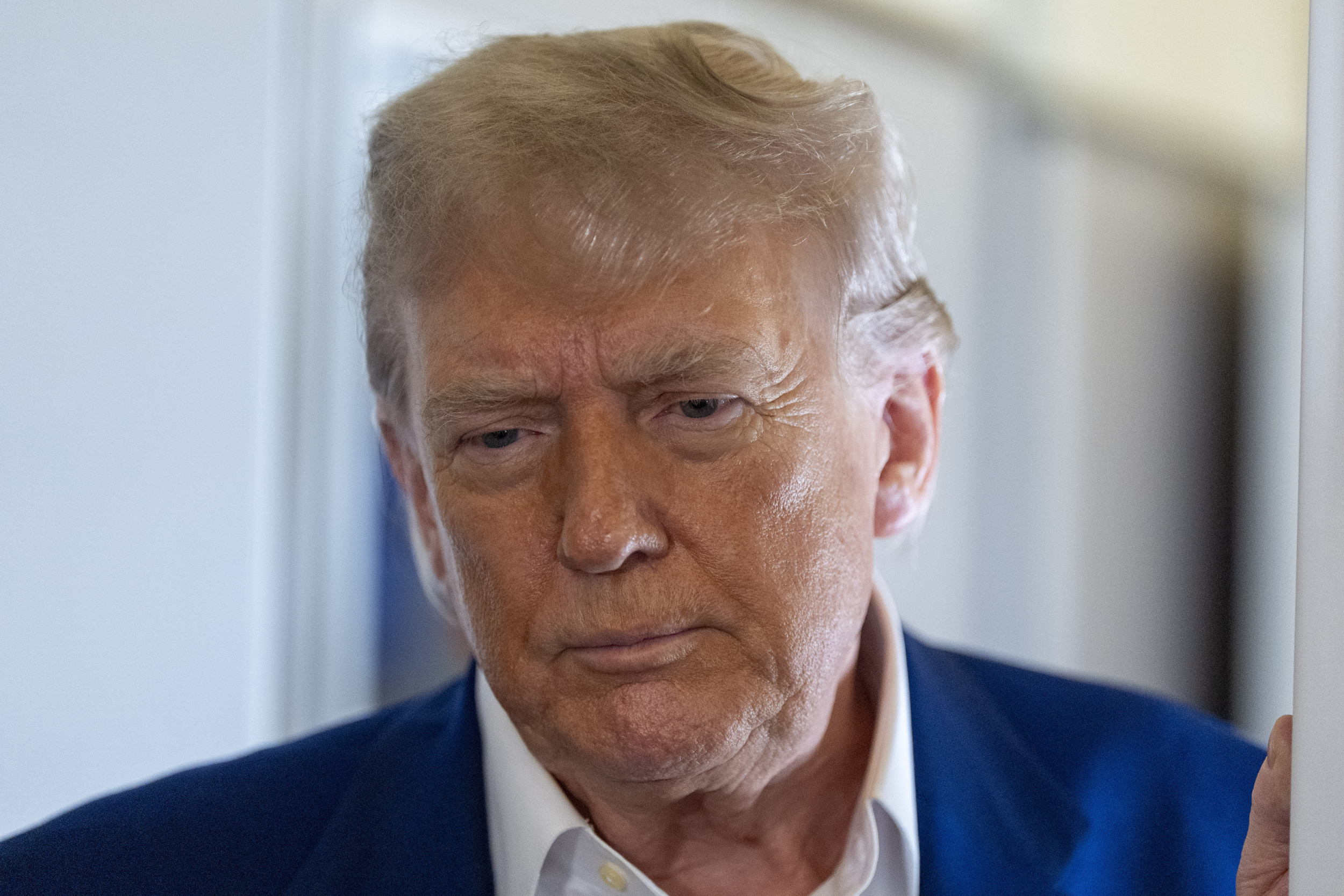
The deal is in, but nobody’s exhaling yet. President Donald Trump just announced that Israel and Lebanon have agreed to push their ceasefire back by another three weeks. It’s a classic Trump-style move—big on optics, heavy on the "historic" branding, and brokered right in the heart of the Oval Office. But if you look past the handshakes between Ambassador Yechiel Leiter and Ambassador Nada Hamadeh Moawad, you’ll see a situation that’s still incredibly thin.
This isn't just about stopping the rockets. It’s a high-stakes play to see if the U.S. can actually sideline Hezbollah while keeping the Lebanese government at the table. Trump’s message was blunt: he wants to help Lebanon "protect itself" from Hezbollah. That’s a massive shift in how Washington talks about Beirut.
The three week window to prevent total collapse
The original 10-day truce was basically a band-aid on a gunshot wound. It was set to expire on Monday, which would have likely sent the region right back into the meat grinder. This 21-day extension buys time for a much bigger event: a White House summit. Trump says he’s looking to host Israeli Prime Minister Benjamin Netanyahu and Lebanese President Joseph Aoun in the coming weeks.
Honestly, it’s a gamble. While the ambassadors were smiling for the cameras on April 23, the reality on the ground was much darker. Just a day before the announcement, Israeli strikes killed seven people in Lebanon, including journalist Amal Khalil. On the flip side, Hezbollah isn't exactly playing along. They’ve rejected the direct talks entirely. They’re still launching drones and rockets, claiming they’re retaliating for Israeli violations.
- The buffer zone: Israel currently occupies about 10 kilometers of southern Lebanon. They aren't leaving until they’re sure the short-range rockets won't start falling again.
- The LAF factor: The big plan is to have the Lebanese Armed Forces (LAF) take over the border. But let's be real—the LAF hasn't had the muscle to shove Hezbollah out of the south in decades.
- The Iran connection: This ceasefire is happening in a vacuum. While Trump is pushing the Israel-Lebanon angle, he’s also dealing with a massive standoff with Iran over the Strait of Hormuz. Everything is connected.
Can Lebanon actually side with the U.S.
The most fascinating part of this wasn’t the extension itself, but the rhetoric. Ambassador Hamadeh actually told Trump she thinks he can "make Lebanon great." That’s a bold choice of words for a diplomat from a country where Hezbollah holds significant political and military power. It shows a Lebanese government that's desperate to claw back some sovereignty.
But there’s a massive gap between what happens in the Oval Office and what happens in the streets of Tyre or Nabatieh. For this three-week extension to turn into a real peace deal, Lebanon has to prove it can control its own territory. Israel has made it clear: they’ll keep striking if they feel threatened. Ambassador Leiter was very transparent about that. He said Israel will take out threats whenever they're identified, ceasefire or not.
Why this time might be different
Most people get this wrong: they think it’s just another "pause" in a never-ending war. It’s not. This is the first time in over 30 years that Lebanon and Israel have sat down for direct, face-to-face negotiations. They don't even have formal diplomatic relations. The fact that they’re talking at all is a tectonic shift.
Trump is using a mix of "America First" pressure and personal diplomacy that previous administrations avoided. By involving Vice President JD Vance and Secretary of State Marco Rubio so deeply, he’s signalling that this isn't a side project. It’s the main event. They’re trying to build a new security architecture that basically cuts Hezbollah out of the equation.
What you need to watch for next
The clock is ticking on these 21 days. If you're tracking this, don't just look at the headlines coming out of Washington. Watch the "Blue Line" border. If the Lebanese Army starts moving south in significant numbers, the deal has legs. If the Israeli home demolitions in border villages continue, the Lebanese government might be forced to walk away to save face at home.
You should also keep an eye on the reconstruction talks. President Aoun wants a full withdrawal of Israeli troops and money for rebuilding. Israel wants a permanent end to the rocket threat. There’s no middle ground there yet.
If you want to understand where this is going, look at the upcoming White House visits. If Netanyahu and Aoun actually show up together, it’ll be a sign that the "three-week" extension was just the preamble to something much larger. For now, keep your expectations low. A ceasefire that still sees daily strikes is barely a ceasefire at all, but in this part of the world, three weeks of talking is always better than three weeks of total war.