Marco Rubio is currently wandering through Europe with a very simple question that nobody seems to want to answer. Why won't you help us? The Secretary of State spent his recent trip to Rome essentially venting about the fact that America's closest partners are sitting on their hands while the U.S. and Israel trade blows with Tehran. It’s a messy, awkward standoff that’s making the "special relationship" look pretty ordinary.
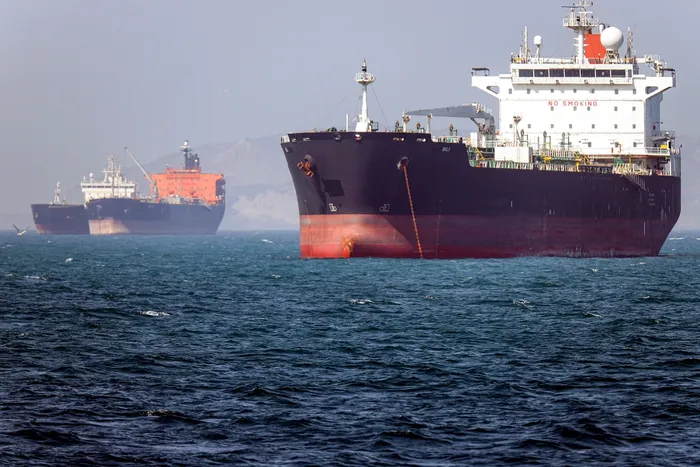
If you’ve been following the headlines, you know the vibe. The U.S. and Israel launched coordinated strikes back in February 2026 to dismantle Iran's nuclear infrastructure. Since then, the Strait of Hormuz has turned into a shooting gallery. Rubio’s logic is straightforward: Iran is choking an international waterway, so the "free world" should grab a wrench and help pry it open. But from Paris to Rome to Madrid, the response has been a collective "good luck with that."
The Base Problem
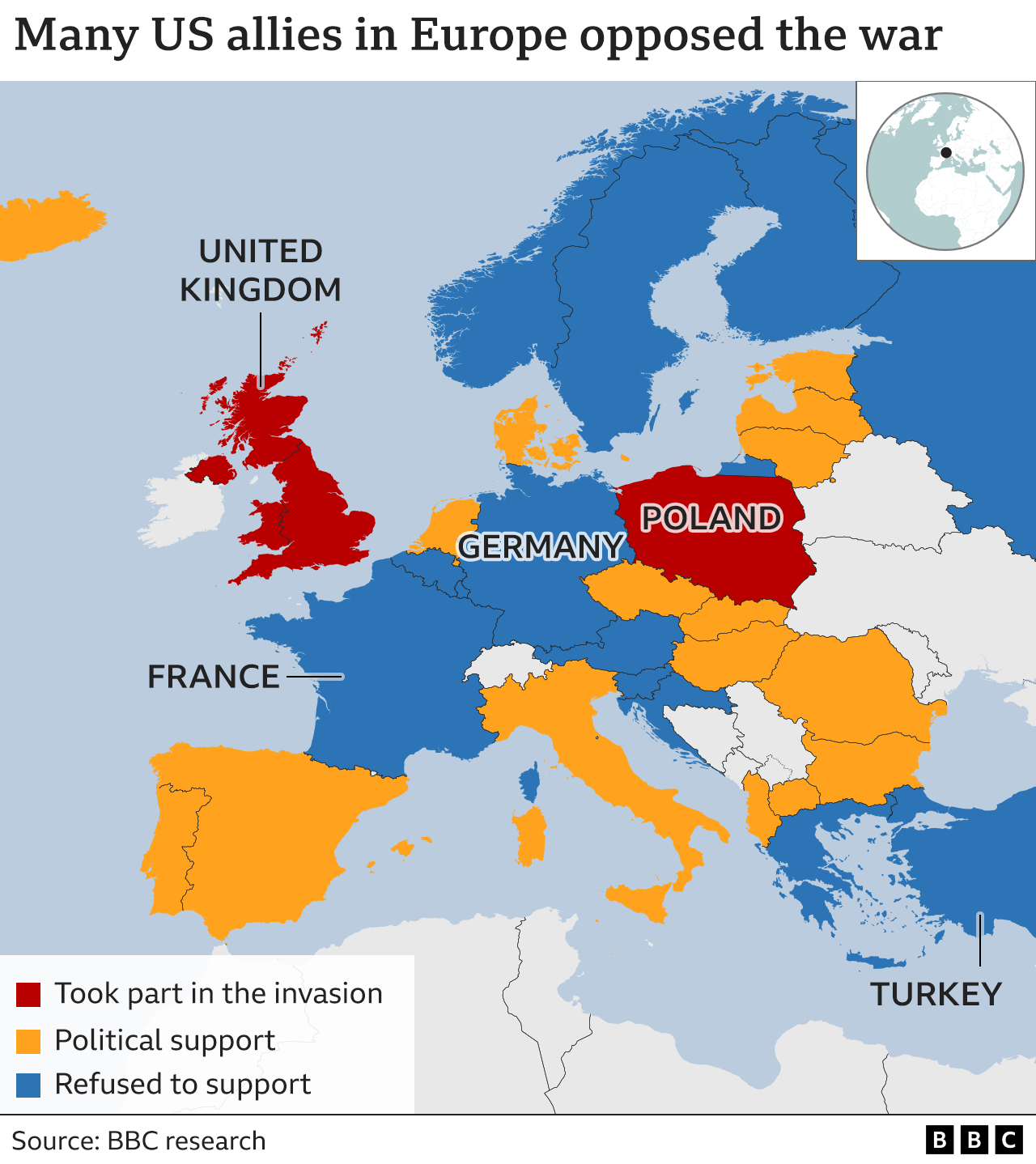
The biggest slap in the face for Rubio wasn't just the lack of ships in the Gulf; it was the "no vacancy" signs at European military bases. Spain has already slammed the door on U.S. combat flights using its airspace or airfields for Iran-bound missions. Italy isn't being much friendlier. Just last month, the U.S. tried to run operations out of the Sigonella base in Sicily. Rome’s response? A flat rejection because Washington didn't ask for permission first.
Rubio isn't hiding his irritation. He’s explicitly questioning why the U.S. is even in NATO if these bases aren't available when things get real. It’s a valid point if you’re sitting in the State Department, but it ignores the political reality on the ground in Europe.
Italy’s Impossible Balancing Act
Giorgia Meloni used to be Donald Trump’s favorite European leader. She was the "bridge" between the MAGA world and the stuffier halls of Brussels. But that bridge is currently under a lot of structural stress.
After meeting with Rubio for 90 minutes, Meloni didn't even issue a formal statement. That silence speaks volumes. She’s stuck. On one side, she’s got a U.S. administration demanding loyalty. On the other, she’s got an Italian public that’s deathly allergic to another Middle Eastern war. Plus, the economic hit from a closed Strait of Hormuz is already gutting European markets. Supporting the war feels like pouring gasoline on a fire that’s already burning your own house down.
Italy and other allies have basically told Rubio they’ll help keep the shipping lanes open after there’s a ceasefire. It’s the ultimate "we’ll help you clean up, but we’re not helping you fight" move.
Normalizing the Unacceptable
The core of Rubio’s argument—and the reason he sounds so perplexed—is the "precedent" factor. He’s warning that if the world lets Iran claim an international waterway as its own territory, we’re opening a Pandora's box. If Iran can do it in Hormuz, who's to stop someone else from doing it in the South China Sea or the English Channel?
He’s not wrong about the legal stakes. You can't just let a country hold 20% of the world's oil supply hostage because they’re in a spat with their neighbors. But for Europe, the risk of a regional "forever war" that spills into their Mediterranean backyard is a much bigger threat than a legal precedent.
Why the Divide is Widening
- The Ukraine Comparison: Rubio is throwing Europe’s own logic back at them. The U.S. has dumped more money and hardware into Ukraine than anyone else. Now that the U.S. wants a hand in the Gulf, Europe is suddenly calling it "not our war."
- Consultation Failures: European leaders like Friedrich Merz are grumbling that they weren't even consulted before the February strikes. They feel like they’re being asked to pay for a meal they didn't get to order.
- The Nuclear Deadlock: Iran is enriching uranium to 60%. Rubio calls the leadership "insane" and "dysfunctional." Europe still holds onto the ghost of the JCPOA, hoping for a diplomatic exit that the current U.S. administration has basically set on fire.
What Happens Next
Rubio is hinting that a response from Tehran regarding a potential 14-point peace deal might drop any minute. But don't hold your breath. Even if a ceasefire happens, the damage to the Western alliance is already done.
If you’re looking for a sign of where this is going, watch the secondary sanctions. Rubio is threatening to blacklist any global bank that helps Iran dodge U.S. pressure. This won't just hit Iran; it’ll hit European banks too. We’re moving toward a world where the U.S. doesn't just ask for support—it tries to manufacture it through financial pain.
You should keep an eye on the base access negotiations. If Spain and Italy don't budge on combat sorties, expect the Trump administration to start talking about moving those assets to more "compliant" countries like Poland or even back to the States. The "one-way street" Rubio keeps talking about is leading to a dead end for NATO as we know it.
Stop waiting for a "unified Western front" on Iran. It doesn't exist. If you're invested in global markets or energy, prepare for a long period where the U.S. acts alone and its allies watch from the sidelines with their arms crossed.
Rubio slams NATO allies over Iran
This video provides the direct context of Secretary Rubio's frustrations with European partners and his specific comparisons to the U.S. support for Ukraine.