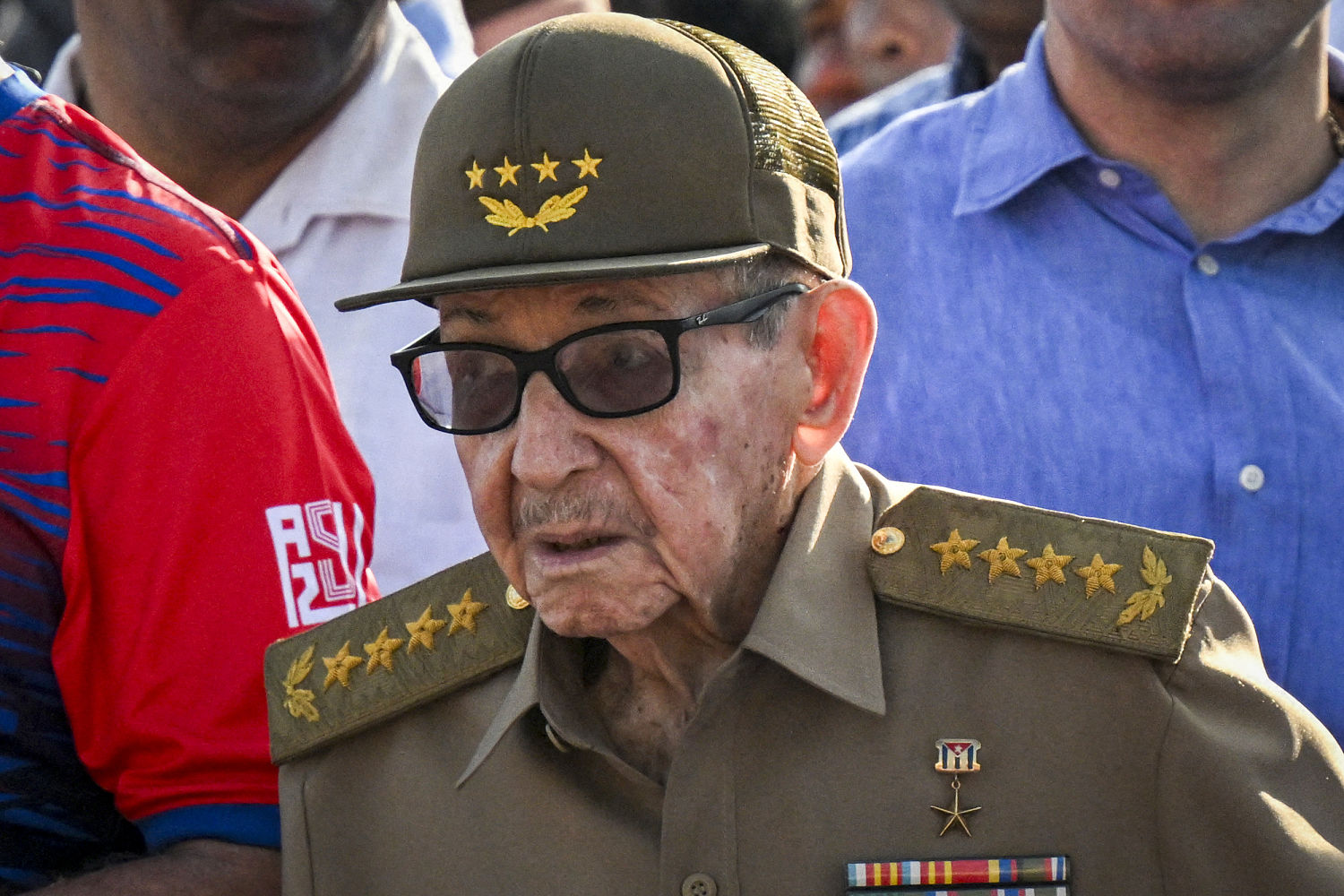
The Department of Justice isn't letting go of a thirty-year-old grudge. Officials say federal prosecutors are moving to indict 94-year-old Raúl Castro for the 1996 shootdown of two civilian planes. It’s a move that feels like a ghost from the Cold War suddenly appearing in a modern courtroom. If you’re wondering why the US is digging up a three-decade-old case now, it’s not just about history. It’s about a massive shift in how the US handles the Cuban regime.
The 1996 incident involved the Brothers to the Rescue, a Miami-based group that flew small Cessnas to spot Cuban rafters lost at sea. On February 24, 1996, Cuban MiG-29 fighter jets blew two of those unarmed planes out of the sky. Four men died. Armando Alejandre Jr., Carlos Costa, Mario de la Peña, and Pablo Morales never stood a chance. At the time, Raúl Castro was the head of Cuba's military. Witnesses and investigators have long argued he was the one who signed the order to "destroy."
The Cold Hard Facts of the 1996 Attack
Most people think this was a simple border dispute. It wasn't. An investigation by the International Civil Aviation Organization (ICAO) found that the planes were shot down in international airspace, not Cuban territory. The Cuban pilots didn't give warnings. They didn't try to force the planes to land. They just fired.
The audio from the Cuban cockpits is chilling. The pilots were recorded celebrating the hits with vulgarities, cheering as the civilian aircraft disintegrated over the Florida Straits. For the families of the victims in Miami, those recordings are a permanent scar. They’ve spent thirty years waiting for someone at the very top to face a judge.
Why Indict Raul Castro Now
You’ve got to look at the timing. Raúl Castro is effectively retired, though he still pulls strings in the background of the Communist Party. Indicting a 94-year-old man sounds symbolic, but there’s more to it.
- Political Pressure: Florida Republicans like Marco Rubio and María Elvira Salazar have been screaming for this for years. With the current administration’s aggressive stance on Cuba and Venezuela, the DOJ is finally pulling the trigger.
- The Venezuela Connection: Earlier this year, the US military snatched Nicolás Maduro and flew him to New York on drug charges. Without Maduro’s oil and support, Cuba is vulnerable. The US is using that leverage to squeeze the old guard in Havana.
- New Evidence: While the core facts have been known since the 90s, officials hint that recent intelligence—likely from defectors or intercepted communications—has strengthened the direct link between Raúl and the "authorized to destroy" command.
The Legal Reality of a Symbolic Indictment
Let’s be real. Raúl Castro isn't going to show up in a Miami courtroom voluntarily. He’s not going to be extradited. So, what’s the point?
Basically, it’s a legal "burn." An indictment makes Raúl a fugitive in the eyes of the international community. It freezes any remaining assets he might have hidden in foreign banks that play ball with the US. It also sends a message to the younger generation of Cuban leaders, like his grandson "Raulito" (Raúl Guillermo Rodríguez Castro), that the US hasn't forgotten the past.
If a grand jury approves the indictment next week, it shuts the door on any "normalization" of relations while the old leadership is still alive. You can't have a friendly trade deal with a country whose "Grand Old Man" is wanted for the murder of US citizens.
The Human Cost of 1996
We shouldn't forget who these people were. They weren't soldiers.
- Carlos Costa: 29 years old. He grew up in the US and just wanted to help people escaping the island.
- Mario de la Peña: 24 years old. A young pilot with his whole life ahead of him.
- Armando Alejandre Jr.: 45 years old. A Vietnam vet who survived a war only to be killed by a MiG over the ocean.
- Pablo Morales: 43 years old. He had actually escaped Cuba on a raft himself years earlier and wanted to pay it forward.
The families have won civil lawsuits worth millions in the past, but they’ve never seen a criminal conviction for the guys who actually gave the orders. Gerardo Hernandez, a Cuban spy who helped coordinate the attack, was caught and sentenced to life, but he was sent back to Cuba in a 2014 prisoner swap. That felt like a slap in the face to the victims' families. This indictment is the DOJ’s attempt to fix that.
What Happens Next
Expect the indictment to be unsealed in Miami very soon. Once that happens, the legal machinery starts. It won't change the daily life of most Cubans who are currently dealing with massive fuel shortages and blackouts, but it changes the diplomatic board entirely.
If you’re watching this, don't expect a trial. Expect a lot of fiery speeches from Havana calling this "Yankee imperialism" and a lot of celebrations in Little Havana. The goal here is accountability, even if it’s thirty years late.
If you want to understand the current tension, keep an eye on how the Cuban government reacts to the upcoming grand jury decision. They usually respond to this kind of pressure with a crackdown on dissidents at home. If you have family on the island, now is a good time to check in. The rhetoric is about to get very loud.