The headlines are screaming about a "crisis" in the Strait of Hormuz because the US Navy is reportedly declining individual escort requests. They call it a security vacuum. They call it a failure of leadership. They are wrong.
What the "experts" at the major news desks fail to grasp is that the age of the silver-bullet naval escort died a decade ago. We are watching the messy, necessary birth of a decentralized maritime security model. The US Navy isn't retreating out of weakness; they are finally admitting that the 20th-century playbook for protecting $100 billion in crude oil is a logistical nightmare that serves nobody.
If you are a ship owner waiting for a guided-missile destroyer to hold your hand through the Persian Gulf, you aren't just behind the curve. You’re a liability.
The Myth of the "Safe Passage" Guarantee
The consensus view suggests that the US Navy’s primary job is to act as a global concierge service for commercial tankers. This logic is flawed at its core. I’ve spent years analyzing maritime chokepoints, and the reality is that the presence of a gray hull often acts as a lightning rod rather than a shield.
When a naval vessel pins itself to a slow-moving merchant tanker, it loses its greatest tactical advantage: maneuverability. It becomes a static target for asymmetric threats—drones, fast-attack craft, and limpet mines. By refusing individual escorts, the Navy is forcing the industry to adopt a more resilient, "hardened" posture.
The Navy is shifting from escort duty to area denial.
Think of it like city policing. You don't want a cop sitting in the passenger seat of every delivery truck. You want the cops patrolling the neighborhood, monitoring the sensors, and being ready to surge when a silent alarm trips. By declining specific requests, the Navy frees up its assets to maintain a much broader, more unpredictable "strike" presence that keeps regional aggressors guessing.
The Free Rider Problem is Finally Being Solved
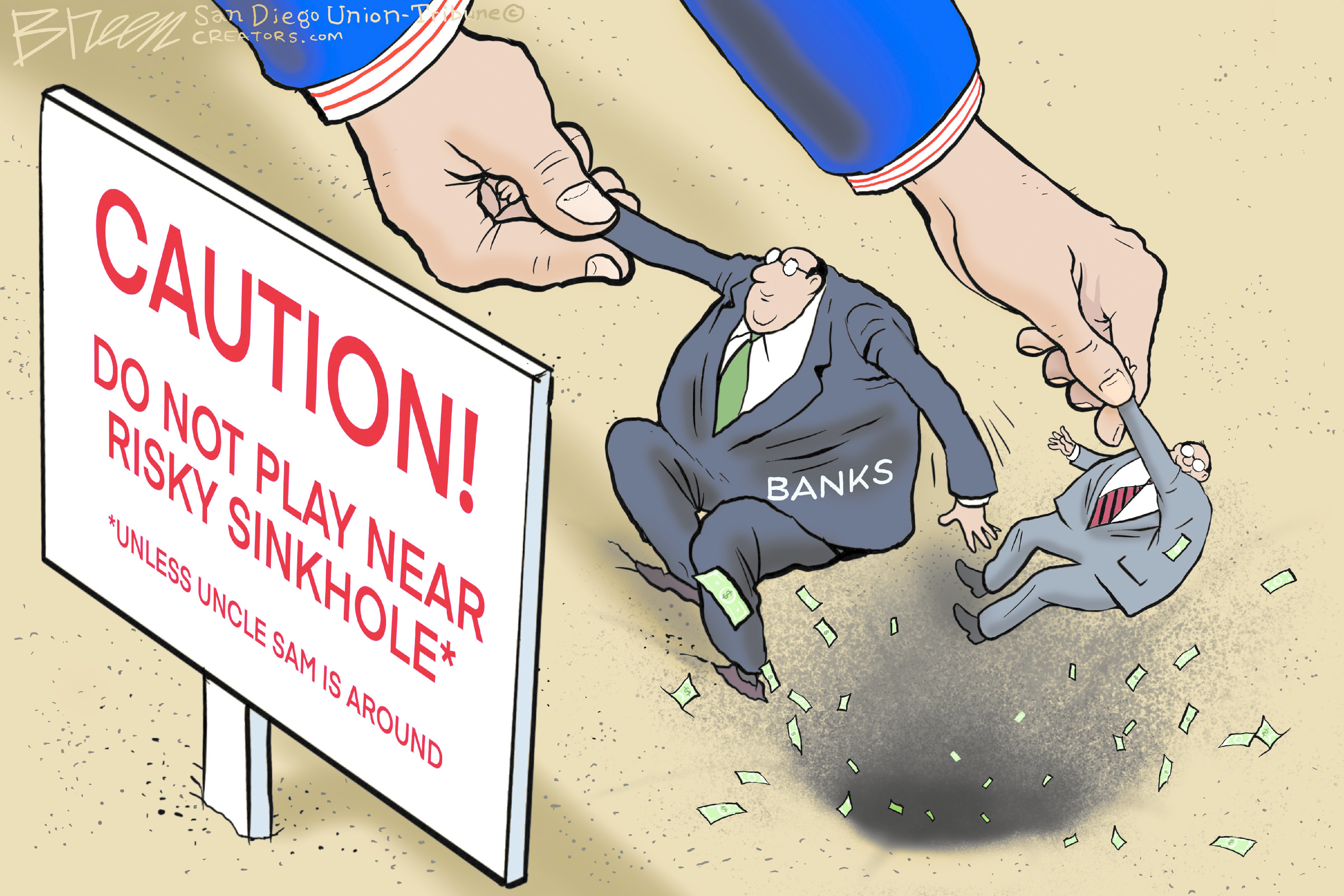
For decades, the global shipping industry has enjoyed a massive, undeclared subsidy from the American taxpayer. Shipping conglomerates rake in record profits while expecting the Pentagon to foot the bill for their security.
This creates a moral hazard.
When you know the Navy will bail you out, you don't invest in your own defense. You hire the cheapest crews. You ignore electronic warfare (EW) hardening. You run outdated AIS (Automatic Identification System) software that makes you a sitting duck for spoofing.
The "lazy consensus" says the Navy’s withdrawal creates risk. The truth? It creates an incentive for innovation. We are already seeing the results:
- Private Security Evolution: Not just guys with rifles, but sophisticated electronic countermeasures.
- Autonomous Monitoring: Companies are finally deploying their own sensor arrays to detect surface threats long before they reach the hull.
- Route Optimization: Instead of relying on a physical guard, firms are using real-time data to weave through "grey zones" when thermal and satellite signatures suggest the coast is clear.
The Logistics of the Impossible
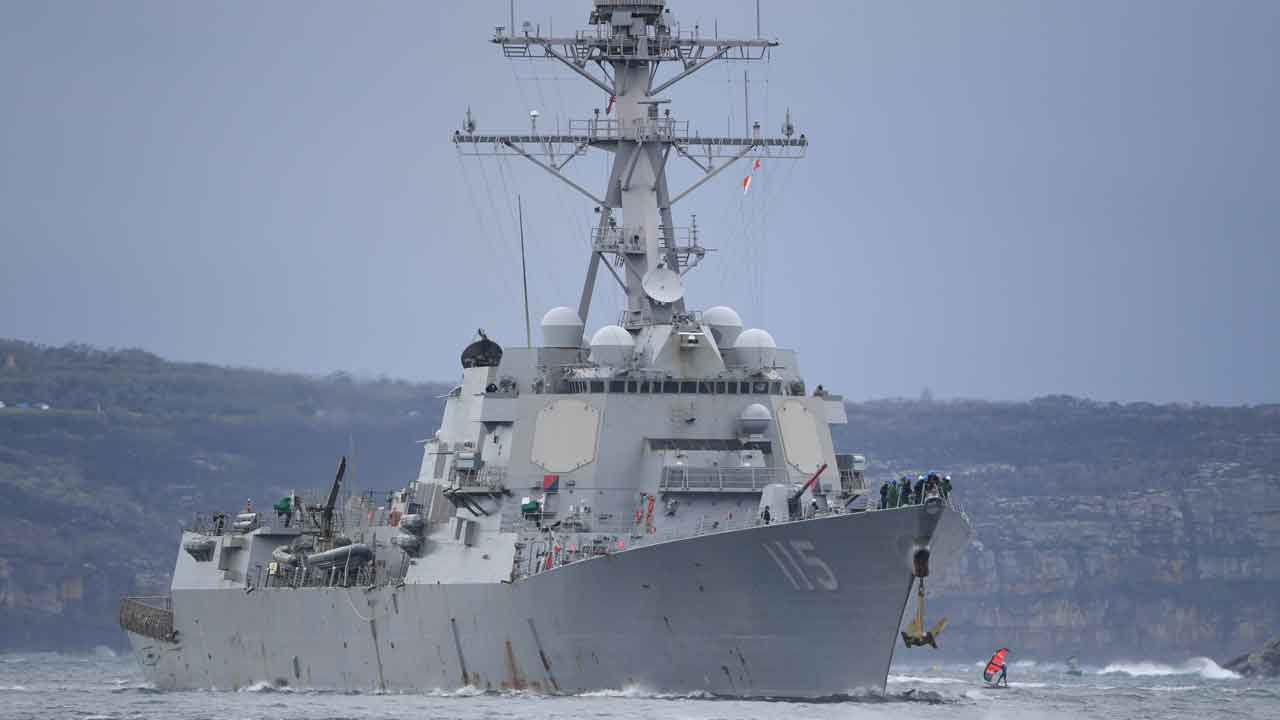
Let’s look at the math. At any given moment, there are hundreds of vessels transiting the Strait of Hormuz. A single carrier strike group or a handful of Arleigh Burke-class destroyers cannot possibly cover that volume of traffic.
The Navy’s refusal is a brutal admission of geometric reality.
If the Navy tried to honor every request, they would exhaust their crews and maintenance cycles within months. We saw this during the "Tanker War" of the 1980s. Operation Earnest Will was one of the largest convoy operations since WWII, and it was a grueling, expensive slog that barely managed to keep the oil flowing. Today’s threats are faster, cheaper, and more numerous.
To demand the Navy return to that model is to demand they break the fleet for a strategy that no longer works against $20,000 suicide drones.
What the Industry Isn’t Admitting
Industry insiders complain about rising insurance premiums. They point to the "unprotected" waters as the culprit. This is a deflection.
Insurance rates are high because the industry refuses to standardize its own defensive measures. If every tanker in the Gulf were equipped with basic non-lethal deterrents—long-range acoustic devices, high-intensity dazzlers, and hardened bridge windows—the risk profile would plummet.
But why spend the capital if you can lobby the US government to do it for free?
The Navy is calling the bluff. They are signaling that the era of the "security handout" is over. This is a pivot toward Maritime Self-Reliance.
The Counter-Intuitive Truth About Escalation
There is a deeper, more uncomfortable reason why the Navy is stepping back: Escalation Management.
A skirmish between a regional militia and a commercial tanker is a commercial dispute or a localized crime. A skirmish between that same militia and a US Navy destroyer is a declaration of war.
By removing themselves from the immediate proximity of every merchant hull, the US reduces the "tripwire" effect. It prevents a small-scale harassment incident from spiraling into a regional conflict that would truly shut down the Strait. Paradoxically, by being less present in the convoy lines, the Navy makes the region more stable.
The Hard Reality for Ship Owners
If you are operating in the Strait of Hormuz today, you need to stop asking "Where is the Navy?" and start asking "Where is my EW suite?"
The transition is painful. Costs will rise in the short term. Some routes will become untenable for the least-prepared players. But this "security vacuum" is actually a filter. It will push out the fly-by-night operators who gamble with their crews' lives and reward the professional fleets that treat security as a core business function rather than an outsourced luxury.
The US Navy isn't leaving you behind. They are finally treating you like an adult.
Stop looking for a bodyguard. Start building a fortress.
The ocean has always been a lawless space where only the prepared survive; the last forty years of US protection were the anomaly, not the rule. We are simply returning to the historical norm.
Adapt or get out of the water.