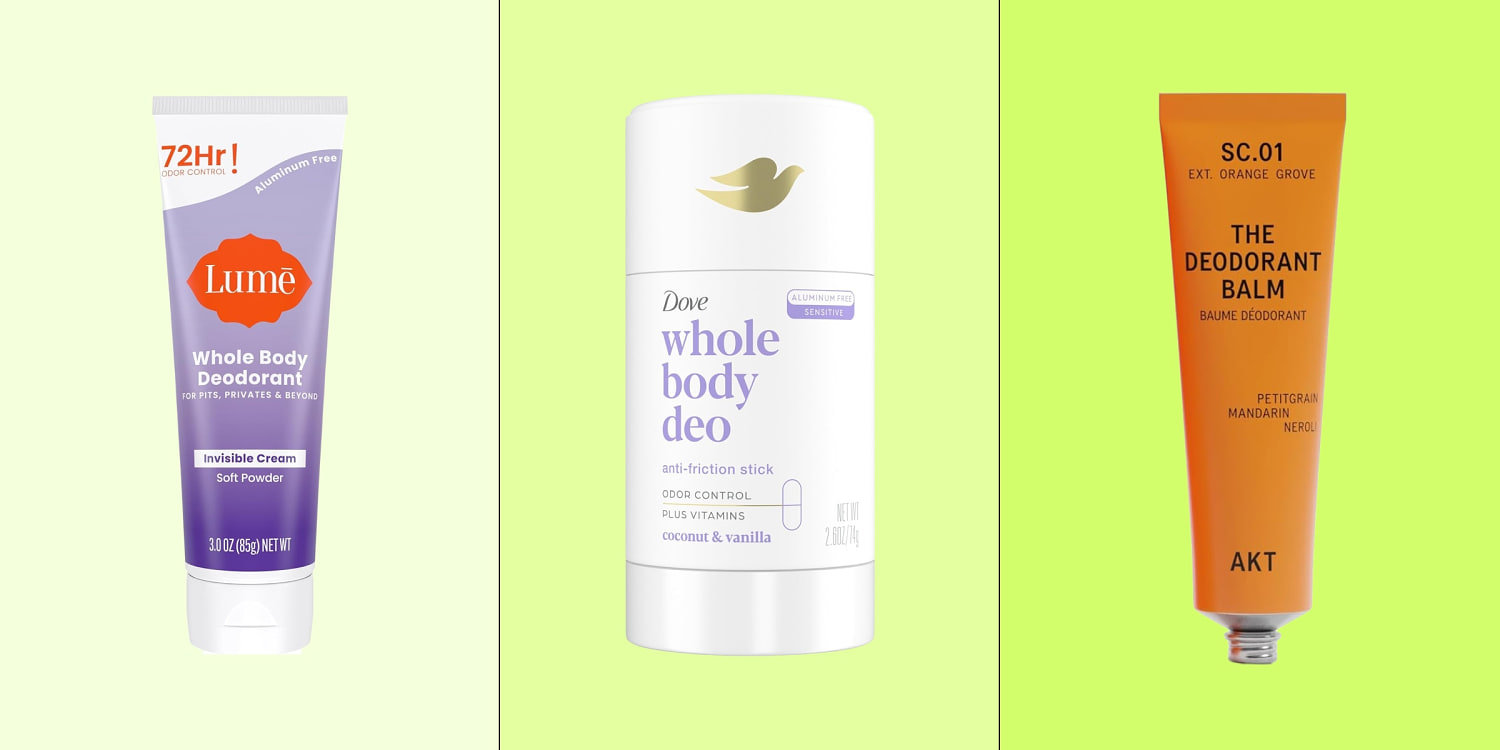
The beauty industry wants you to believe your entire body is a ticking odor bomb. Over the past two years, pharmacy shelves have been flooded with creams, sprays, and sticks designed for everywhere from your underarms to your feet and groin. But the fundamental difference between whole body deodorant and regular underarm deodorant isn't a breakthrough in medical science. It is a masterclass in cosmetic marketing. Traditional deodorants use antimicrobial agents and fragrances to mask odor on specific underarm sweat glands, while whole body deodorants use gentle acids to lower skin pH across larger surfaces, altering the skin microbiome to prevent odor before it starts.
They are fundamentally different tools for fundamentally different types of sweat. Yet, consumers are being led to believe that normal human skin biology is a flaw requiring a head-to-toe chemical barrier.
To understand why this trend exploded, you have to look at how your body actually produces moisture.
The Two Sweat Systems Running Your Body
Human skin contains two entirely distinct types of sweat glands. They serve different purposes, produce different fluids, and react to different stimuli.
The Cooling Network
Eccrine glands cover almost your entire body. They are heavily concentrated on your palms, soles, and forehead. When you get hot or exercise, these glands pump out a fluid that is roughly 99% water, mixed with trace amounts of salt and metabolic waste.
This sweat does not stink. It is designed to evaporate and cool you down. If you notice an odor from eccrine sweat, it is usually because the moisture has trapped bacteria that were already living on your skin, or because you ate something with volatile compounds, like garlic.
The Odor Zones
Apocrine glands are different. They are found almost exclusively in areas with dense hair follicles, primarily your armpits and groin. These glands do not open directly onto the skin surface; they empty into the hair follicle.
Apocrine sweat is thick, milky, and rich in proteins and lipids. It triggers during emotional stress, anxiety, or hormonal fluctuations. On its own, this fluid is also odorless. However, the warm, dark environments where apocrine glands live are prime real estate for specific strains of bacteria, notably Staphylococcus and Corynebacterium.
When these bacteria feast on the proteins and fats in apocrine sweat, they break them down into volatile organic compounds. That byproduct is what we recognize as body odor.
Traditional underarm deodorants and antiperspirants were engineered specifically for this apocrine environment. Antiperspirants use aluminum-based salts to physically plug the sweat ducts, temporarily shutting down moisture production. Regular deodorants let the sweat flow but deploy heavy antimicrobial agents to kill off the bacteria, alongside strong fragrances to mask whatever scent escapes.
How Formulators Changed the Rules for Full Body Products
You cannot simply take a stick of standard underarm deodorant and swipe it across your entire body without consequences. The skin under your arms is remarkably resilient compared to the skin on your torso, face, or intimate areas.
If you slather traditional underarm formulations onto sensitive areas, you invite intense irritation. Standard deodorants often rely on high concentrations of alcohol to dry quickly, or sodium bicarbonate (baking soda) to neutralize odor molecules. Baking soda is highly alkaline. Your skin barrier is naturally acidic, sitting at a pH level around 5.5. Disruption causes chaos. Disrupting that acidity with an alkaline paste damages the lipid barrier, leading to redness, chafing, and contact dermatitis.
To create a product safe for full-body application, cosmetic chemists had to abandon the traditional antimicrobial bludgeon.
Instead, they turned to alpha-hydroxy acids (AHAs) like mandelic, lactic, or glycolic acid.
By applying a mild acid to the skin, these products deliberately lower the surface pH to a level where odor-causing bacteria simply cannot function or reproduce. The bacteria do not necessarily die en masse; they are effectively neutralized. Because these acid-based formulas lack aluminum, they do not stop you from sweating. They merely ensure that when you do sweat from your eccrine glands, the native bacteria cannot process the moisture into an unpleasant scent.
| Feature | Regular Underarm Deodorant | Whole Body Deodorant |
|---|---|---|
| Primary Target | Apocrine glands (underarms) | Eccrine and apocrine zones (chest, feet, skin folds, groin) |
| Active Mechanism | Heavy antimicrobials, baking soda, aluminum salts, or high fragrance | Alpha-hydroxy acids (AHAs) to lower skin pH, zinc ricinoleate |
| Skin Compatibility | Formulated for resilient underarm skin; can irritate sensitive areas | Formulated to be gentle, pH-balanced, and dermatologically tested for sensitive skin |
| Moisture Control | Moderate (if formulated with absorbents) or high (if combined with antiperspirant) | Minimal; does not block sweat glands |
The Hidden Cost of Sterilizing Your Skin Microbiome
The human skin is not a clean slate waiting to be sanitized. It is a living, breathing ecosystem teeming with billions of microbes that form your skin microbiome. This ecosystem plays a critical role in your immune defense, protecting you from pathogens and environmental toxins.
When you apply a whole body deodorant daily, you are staging a systematic intervention across large swaths of this ecosystem.
While lowering the pH with acids prevents the growth of Corynebacterium (the primary source of body odor), it also alters the environment for beneficial bacteria. Your skin relies on a delicate balance of diverse microbes to maintain its barrier function. Forcing a massive surface area of your skin into an artificially low pH state over months or years is an uncharted biological experiment.
Dermatologists are beginning to see cases where over-sanitization of the body leads to unexpected skin conditions. When you suppress the natural bacterial flora, you create an ecological vacuum.
Opportunistic fungi, such as Malassezia, can rush in to fill the void. This can manifest as fungal acne, stubborn rashes, or mysterious patches of dry, flaky skin that resist standard moisturizers. Your skin does not need to be sterilized from the neck down to be clean.
A Manufactured Insecurity Driving Corporate Profits
To understand why your medicine cabinet is suddenly being targeted for a total overhaul, you have to follow the money. The traditional underarm deodorant market is saturated. Almost every teenager and adult in the developed world already buys a stick or spray a few times a year. For multinational consumer goods companies, growth in this sector had effectively flattened.
To generate new revenue streams, the industry had to create a new problem.
The strategy relies on a subtle, psychological shift: converting normal physiological realities into sources of shame. It is entirely normal for skin folds, under-boob areas, and feet to develop a mild, natural scent by the end of a long day. That is the reality of being a warm-blooded mammal. By branding this natural occurrence as a hygiene crisis, companies successfully created a multi-million-dollar category out of thin air.
The markup on these full-body products is staggering. A standard stick of underarm deodorant might cost four dollars at a local pharmacy. Pack that same volume into a slickly designed tube, label it as a "whole body cream deodorant," add a dash of mandelic acid, and the price tag frequently jumps to fifteen or twenty dollars. You are paying a premium for a solution to a problem that water and a basic, pH-balanced cleanser can solve for pennies.
Decoupling Hygiene from Marketing Hype
If you genuinely suffer from excessive odor in non-underarm areas, a commercial whole body deodorant is a viable, engineered tool. People dealing with hyperhidrosis (medical excessive sweating) or intertrigo (rash in skin folds) can find legitimate comfort in these low-pH formulations. They provide a barrier that prevents friction while keeping bacterial activity at bay.
For everyone else, the solution to body odor is far simpler and less expensive than the beauty industry claims.
Natural fibers play a massive role in how your sweat behaves. Synthetic fabrics like polyester and nylon are hydrophobic. They repel water but absorb plant and animal fats readily. When you sweat into a polyester shirt, the fabric traps the lipid-rich apocrine sweat right against your skin, creating a permanent buffet for bacteria. Cotton, wool, and linen absorb moisture and pull it away from the skin, allowing it to evaporate efficiently before bacteria can colonize it.
If you choose to use a whole body product, skip the expensive, fragrance-heavy sticks marketed for full-body consumption. Look instead for basic, facial-grade skincare products containing low percentages of lactic or mandelic acid. A gentle exfoliating toner applied with a cotton pad to problem areas after a shower achieves the exact same pH-lowering effect at a fraction of the cost, without the artificial perfumes that frequently trigger allergic reactions.
The human body was never designed to be completely odorless, and chasing a synthetic scent from head to toe is a race against your own biology.