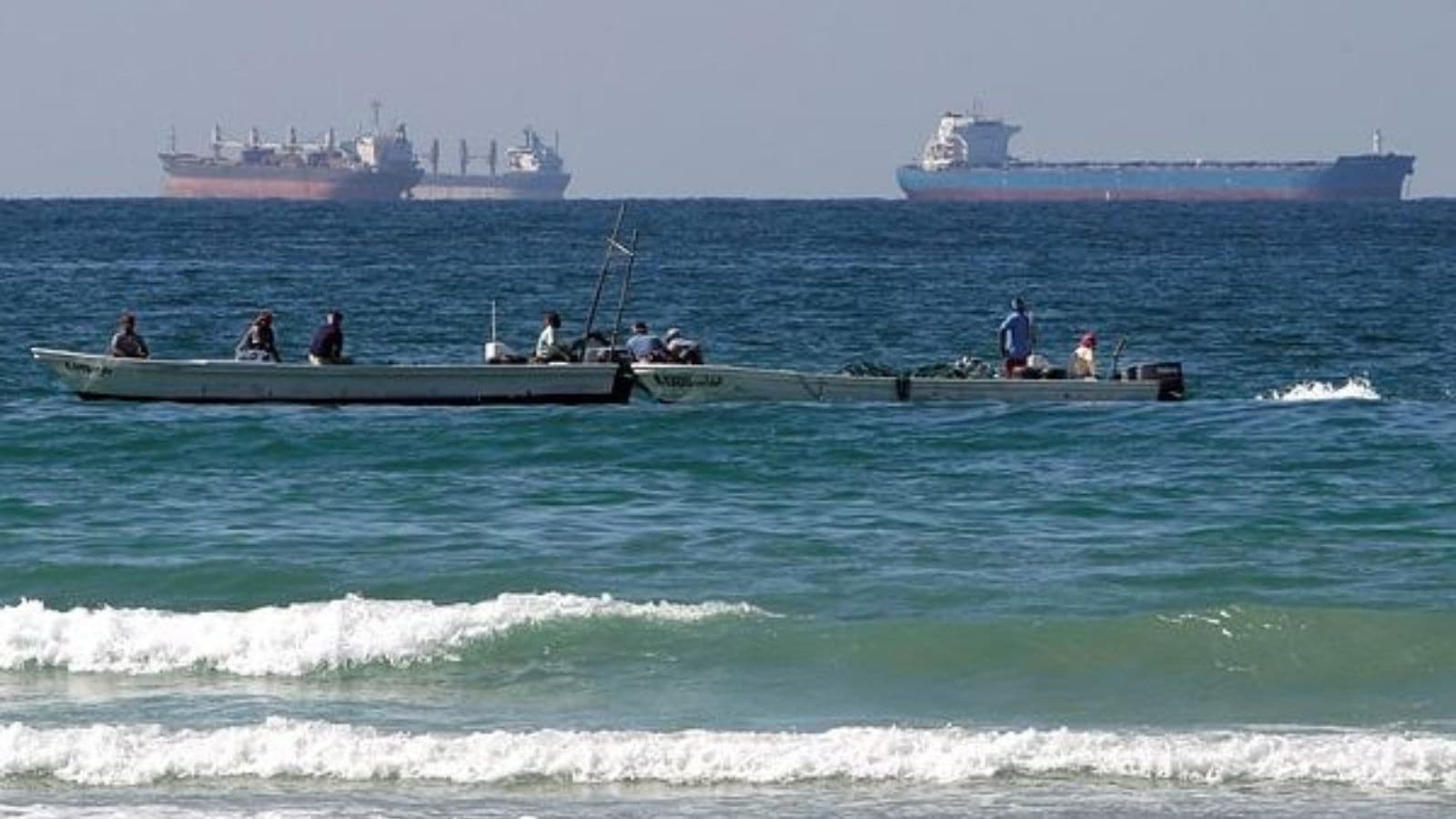
The global trade engine is currently shuddering. As of early March 2026, the narrow, thirty-three-kilometer-wide corridor known as the Strait of Hormuz—the primary artery for roughly 20 percent of the world’s daily petroleum supply—has effectively ground to a halt. This is not a formal, legal blockade by a singular state entity. It is something far more damaging: a total collapse of commercial confidence. Insurance providers have withdrawn war risk coverage, and tanker operators have collectively decided that the risk of transit exceeds the potential profit.
When the ships stop, the consequences are immediate and systemic. We are witnessing a fundamental vulnerability in the global energy trade. Unlike other supply chain disruptions where alternative transport methods exist, there are no meaningful substitutes for this volume of liquid energy.
The Anatomy of the Standoff
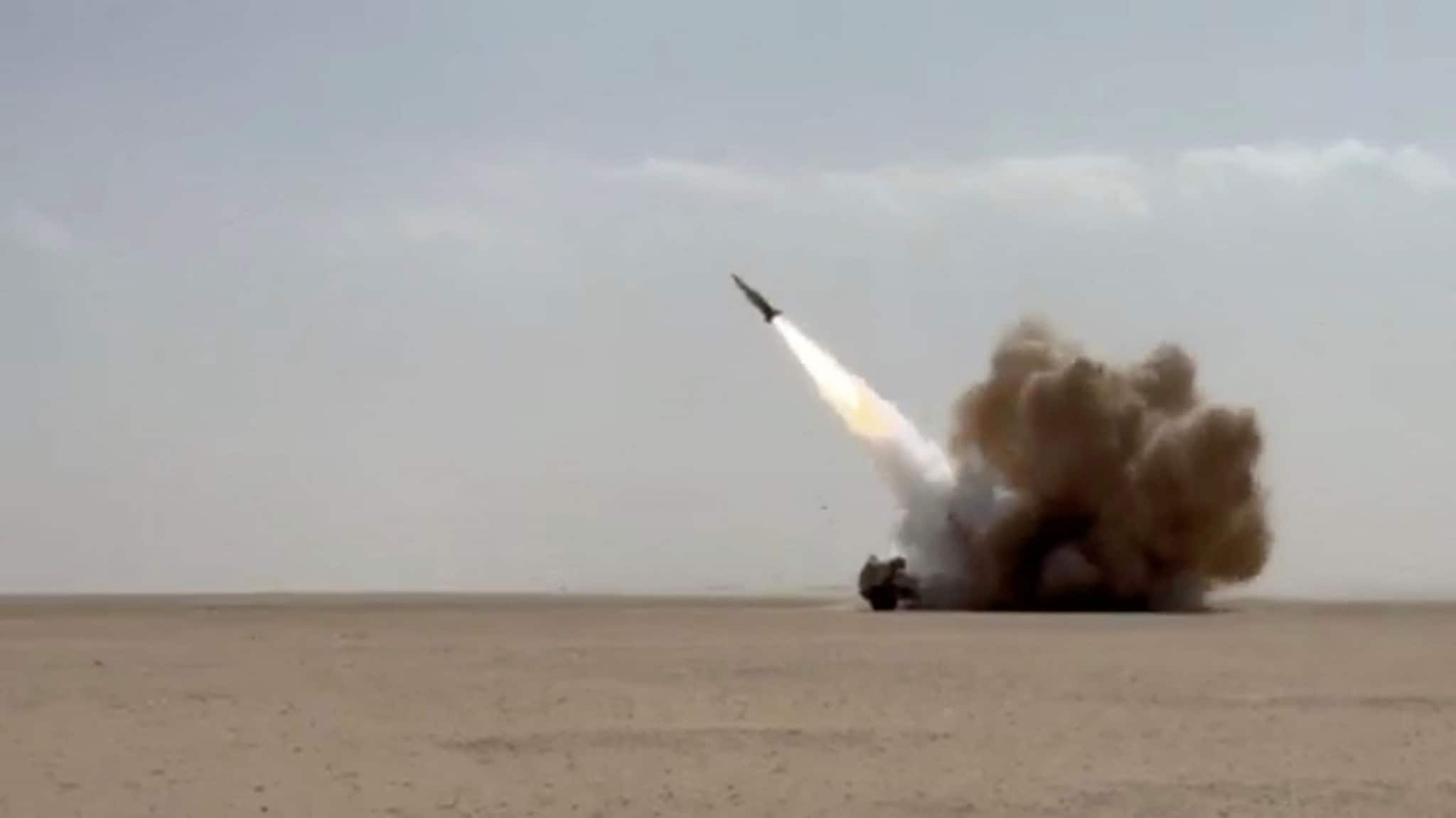
The current crisis traces its origins to the rapid escalation of hostilities between Iran, the United States, and Israel. While market observers often focus on oil price volatility, the real story is the logistical paralysis. Hundreds of vessels are currently anchored in open water, waiting for a safety guarantee that nobody is willing to provide.
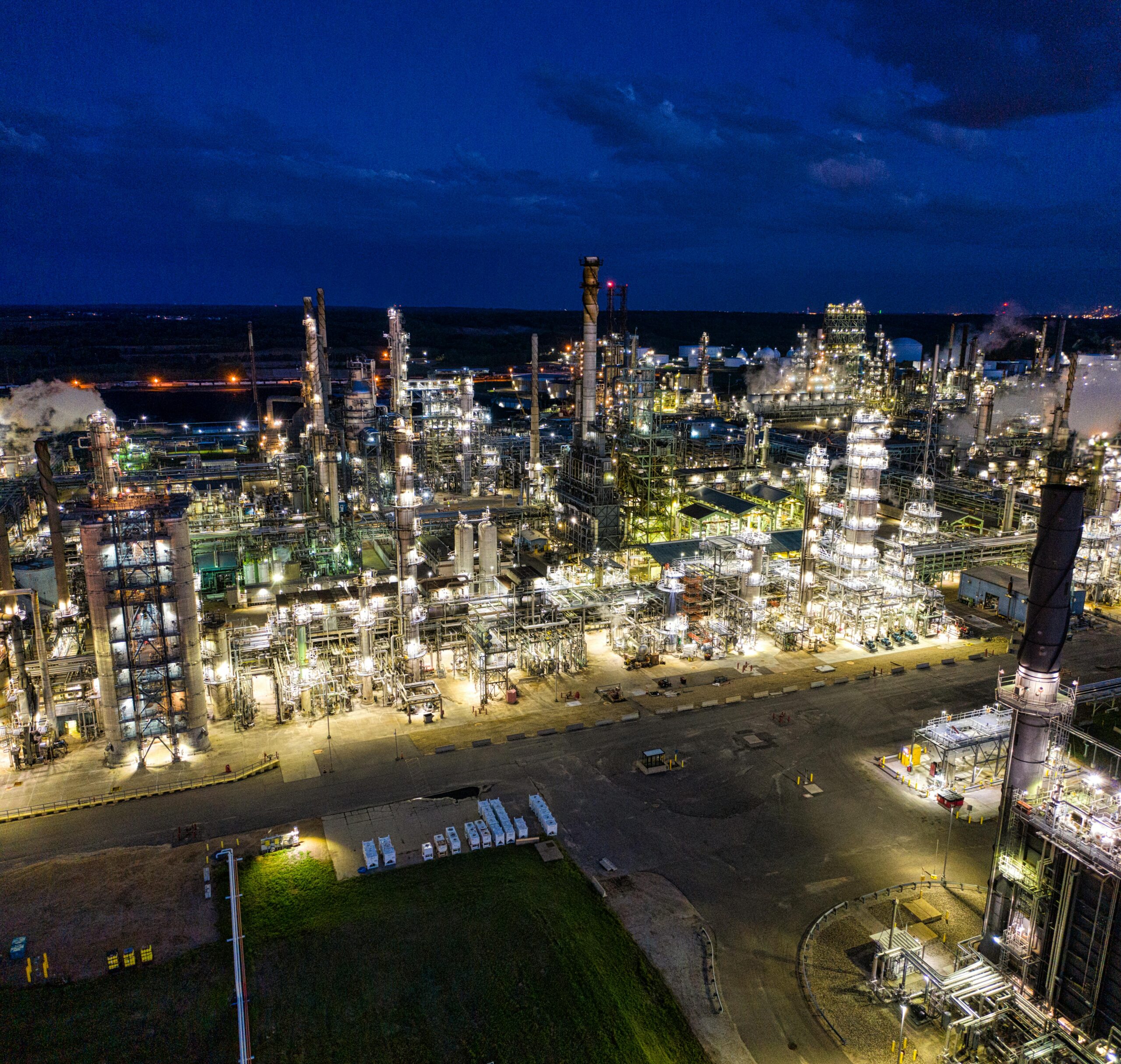
Consider the mechanics of the energy market. Global refineries rely on just-in-time delivery schedules. When a tanker carrying two million barrels of crude is delayed by weeks or indefinitely diverted, the impact is not confined to the fuel pump. It cascades through every sector that depends on hydrocarbons for power, logistics, and chemical feedstocks.
Why Markets Are Bracing for Triple Digits
The pricing response is predictable but severe. Brent crude has already surged, with analysts projecting a move toward $100 per barrel if the impasse continues through mid-month. The reason is rooted in simple math. When you remove twenty million barrels from the daily global supply, the deficit cannot be covered by spare capacity in other regions.
Global stockpiles act as a buffer, but they are not bottomless. Nations heavily dependent on this route—particularly China, India, and South Korea—are already facing intense pressure on their industrial output. For an Asian manufacturing hub, a sustained reduction in energy supply forces an immediate choice: prioritize critical national infrastructure or maintain export manufacturing. Neither option is palatable for domestic stability.
The Mirage of Alternative Routes
Frequent arguments are made regarding the existence of bypass pipelines. While infrastructure like the Petroline in Saudi Arabia offers some flexibility, its capacity is strictly limited. It cannot absorb the massive volume that flows through the Strait of Hormuz.
If the strait remains closed, the logistical reality involves rerouting vessels around the Cape of Good Hope. This detour adds thousands of miles to a journey and increases fuel consumption and operational costs significantly. Even if the ships could make the trip, the global fleet lacks the surplus capacity to handle these massively extended transit times. The math simply does not support a shift of this magnitude.
The Broader Logistical Fallout
The crisis extends well beyond crude oil. Liquefied natural gas (LNG) is arguably more exposed. Unlike oil, which can be stored with relative ease, LNG is highly sensitive to temperature and time. Qatar, a major exporter, relies on the strait to reach global markets. Disruptions here translate into immediate shortages in Europe and Asia, where gas is essential for heating and power generation.
The insurance market acts as the hidden hand in this crisis. By raising premiums to prohibitive levels or exiting the market entirely, insurers have done what military threats alone could not do: they have made the passage commercially irrational.
The Cost of Uncertainty
Investment committees are currently in a state of suspended activity. Merger and acquisition plans that were modeled on energy stability are being scrapped or delayed. Capital, which thrives on predictability, is fleeing to safe-haven assets. This pause in investment is not just about oil—it is about the broader confidence in the stability of global trade routes.
When the primary mechanism for moving the world's lifeblood is shuttered, the ripple effects are not limited to the region. We are seeing a fundamental shift in how corporations view geopolitical risk. The era of assuming that maritime chokepoints would remain open for commerce is over. The focus is shifting toward supply chain redundancy, local storage, and energy diversification, none of which can be implemented overnight.
The immediate outlook depends on the resolve of the shipping industry and the appetite for risk among insurers. As long as the fear of damage outweighs the profit of passage, the strait will remain effectively empty, and the world economy will continue to pay the price for that silence.