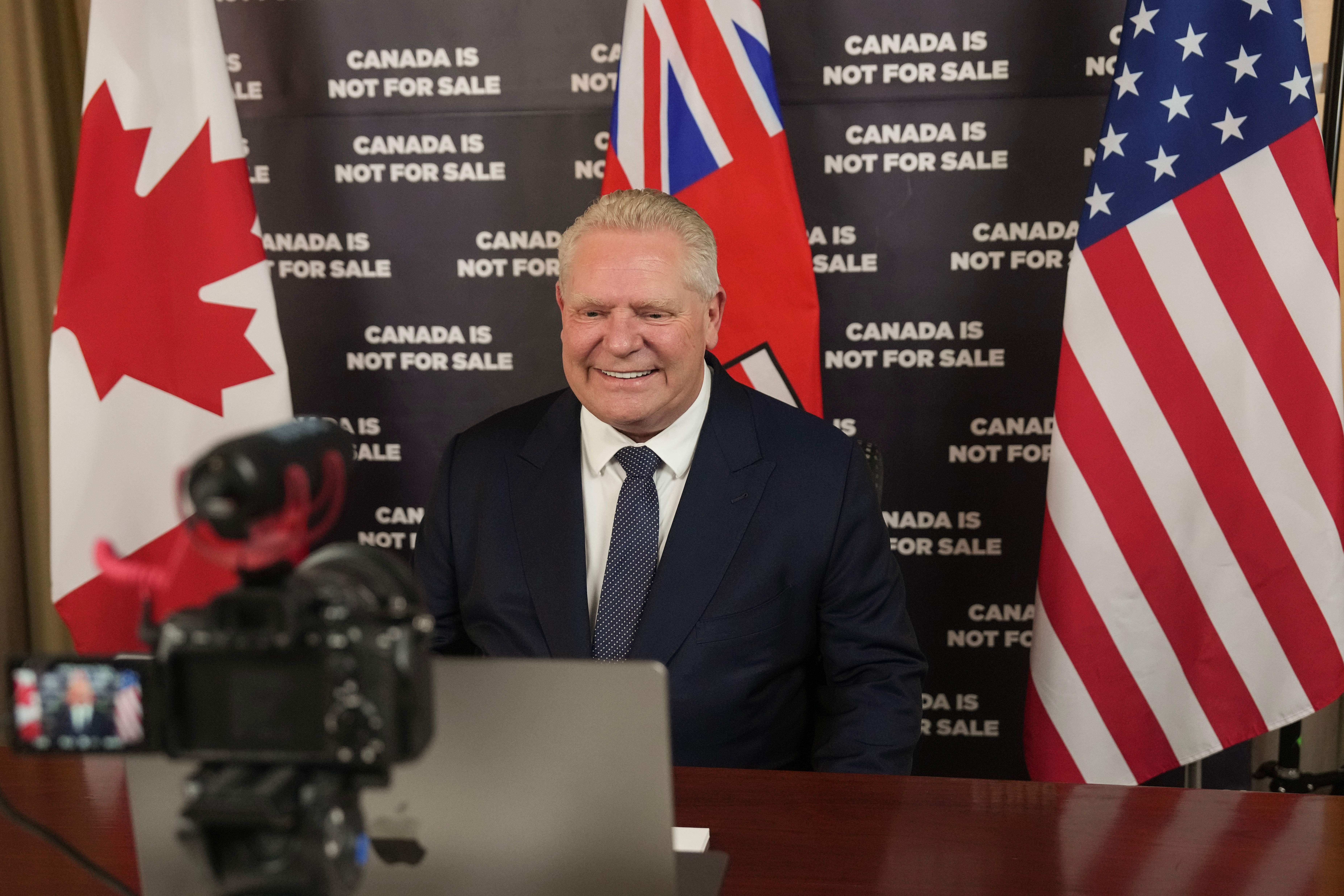
Doug Ford just made the biggest move of his current mandate, and it isn’t a new highway or a tax cut. He's officially named a new chief of staff. This isn't just a routine HR update at Queen’s Park. In the world of Ontario politics, the chief of staff is the person who actually runs the province while the Premier is out shaking hands and cutting ribbons. If you want to know where the Progressive Conservative government is heading as they eye the next election, you have to look at who is holding the clipboard.
The Premier has tapped Martin Reggilio to take over the most powerful unelected position in the province. He's replacing Patrick Sackville, who is stepping down after a stint that saw the government navigate some of its most turbulent post-pandemic waters.
This swap matters because the chief of staff isn't just a "secretary." They are the gatekeeper. They decide which ministers get face time with Ford, which policies get the green light, and how the government responds when a scandal inevitably breaks. It’s a high-stakes, high-stress job that usually burns people out in two years or less.
Why the Chief of Staff holds the real power
Most people think the Premier makes every single call. They don't. A Premier sets the "vibe" and the broad goals. The chief of staff handles the "how." They manage the Cabinet, keep backbenchers from revolting, and ensure the civil service actually implements what the politicians want.
When a new person takes this role, the entire "feel" of the government changes. A policy-heavy chief leads to a government focused on white papers and legislation. A political-warrior chief leads to a government focused on wedge issues and attack ads. Reggilio comes into this role at a time when the Ford government is trying to balance a massive infrastructure spend with a growing deficit and a restless voting base.
I've watched these transitions for years. Usually, a change at the top signifies a pivot. Ford isn't just changing a name on a door; he's recalibrating his inner circle for the back half of his mandate. He needs someone who can bridge the gap between the "Ford Nation" populist roots and the pragmatism required to run a multi-billion dollar economy.
The legacy of Patrick Sackville
You can't understand where Reggilio is going without looking at what Sackville left behind. Patrick Sackville was known as a steady hand. He was the guy who had to manage the fallout of the Greenbelt saga—a mess that almost derailed the entire PC platform. He was a behind-the-scenes operator who didn't seek the spotlight but wielded immense influence over the "Get It Done" branding that Ford leans on so heavily.
Sackville's departure is being framed as a personal choice, a move toward the private sector after years of grueling 18-hour days. It's a classic Queen’s Park exit. But his absence leaves a vacuum. Sackville knew where the bodies were buried and how to keep the various factions of the PC party from at each other's throats.
What Martin Reggilio brings to the table
Reggilio isn't a newcomer. He’s been a fixture in the conservative movement for a long time. He previously served as the deputy chief of staff and has deep ties to the party's policy arm. This choice tells me that Ford is looking for continuity, not a radical departure.
He's a strategist. He understands the math of the 905—those crucial ridings around Toronto that decide every Ontario election. If the PCs lose the 905, they lose the province. Reggilio's job is to ensure the government's messaging resonates in Brampton, Mississauga, and Whitby.
He’s also known for being a bit more of a policy "wonk" than some of his predecessors. That's a good thing. The province is facing massive challenges with the healthcare system and housing starts that are lagging behind targets. Having a chief of staff who understands the nuts and bolts of regulation could help the government actually deliver on those "Big Move" promises.
The political tightrope of 2026
The timing of this appointment is everything. We are heading toward an election year. Every decision made from this moment on is viewed through the lens of the ballot box.
The new chief of staff has to manage several fires at once:
- The Housing Crisis: The government promised 1.5 million homes. They aren't on track. Reggilio has to find a way to speed up construction without sparking another Greenbelt-style backlash.
- Healthcare Strain: Wait times and staffing shortages are the number one complaint for most Ontarians. The "private clinic" solution is controversial, and the messaging needs to be perfect.
- Federal Friction: With a federal election likely on the horizon, the relationship between Queen’s Park and Ottawa is going to get spicy. Reggilio will be the one negotiating those multi-billion dollar healthcare and transit transfers.
It's a lot. Honestly, it's a job most people wouldn't want. You get all the blame when things go wrong and none of the credit when they go right.
What this means for you
If you’re an Ontario resident, this shift in the Premier's Office affects your life more than you think. This office decides whether the "gas tax holiday" stays or goes. They decide which subway lines get built first. They decide how much money goes to your local school board versus a new highway.
Under Reggilio, expect a doubling down on the "Blue Collar Conservatism" that Ford has championed. They want to be the party of the worker, the builder, and the driver. The new chief of staff will be the architect of that brand.
He'll also have to keep a tight lid on the Cabinet. Ford has had a few ministers resign or get shuffled due to various controversies over the last two years. A "clean" run to the next election is the top priority. Reggilio is the enforcer who makes sure everyone stays on script.
The inner circle reshuffle
It’s rare that a chief of staff leaves and nothing else changes. Usually, this triggers a "trickle-down" of new hires and promotions within the Premier’s Office (PO). Watch for new directors of communications and policy leads. These are the people who will be writing the 2026 platform.
The move also signals that Ford is tightening his grip. By promoting from within—Reggilio was already a key player—he’s signaling that he trusts his current team. He isn't looking for an outsider to come in and "fix" things. He thinks the current path is the right one; he just wants a new driver for the final stretch.
The pressure of the 413 and the Gardiner
Two of the biggest files on Reggilio's desk are the Highway 413 project and the upload of the Gardiner Expressway and Don Valley Parkway. These are massive, multi-billion dollar infrastructure bets.
The opposition is going to hammer the government on the environmental impact and the cost of the 413. Reggilio needs to frame this as a "gridlock killer" to win over commuters. Meanwhile, the Gardiner upload was a massive win for Ford's relationship with Toronto Mayor Olivia Chow, but the provincial treasury now has to foot the bill for those repairs. Managing the budget while taking on these costs is a massive headache.
Moving forward
The honeymoon period for a new chief of staff lasts about twenty minutes. By the time Reggilio sits at his new desk, there will already be a pile of briefing notes and "urgent" requests from ministers.
If you want to track how successful he is, don't look for his name in the headlines. Look for fewer headlines about internal government chaos. A good chief of staff makes the government look boring and efficient. If the next six months are quiet and the "Get It Done" ads are everywhere, Reggilio is doing exactly what Ford hired him to do.
Keep an eye on the upcoming provincial budget. That will be the first real test of the new chief's influence. It will show us if the government is shifting toward fiscal restraint or if they're going to keep the spending taps open to secure a third term. Either way, the power dynamic at Queen's Park just shifted, and the road to the next election just got a lot more interesting.