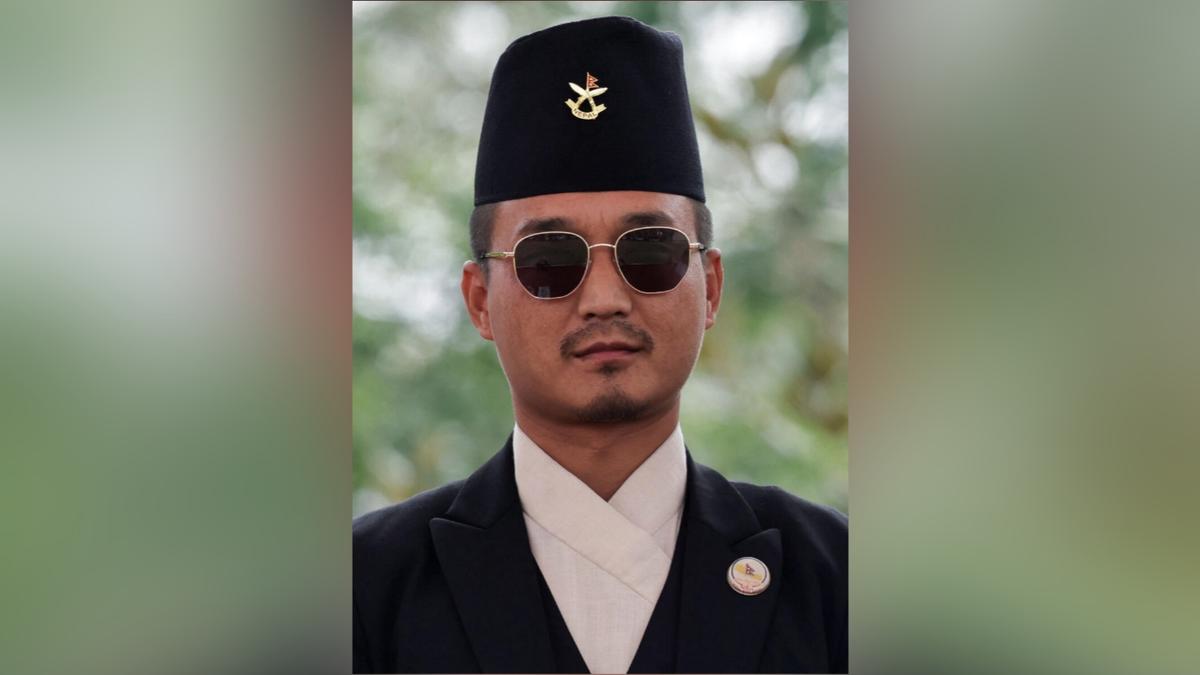
You don't usually see a powerful minister walk away after just 26 days. In Nepal, where political seats are often guarded like ancient treasures, Sudhan Gurung’s exit on April 22, 2026, feels like a glitch in the system. But then again, Gurung isn't a traditional politician. He's a former DJ and activist who rode the wave of the "Gen Z Revolution" into the heart of the Home Ministry. Now, the very transparency he championed has become the catalyst for his departure.
Gurung stepped down following intense heat over his financial dealings. It wasn't a sudden discovery of a secret vault; it was a slow burn of public asset disclosures that didn't sit right with the people who put him there. He says he's doing it to protect the integrity of the government and to allow for a "fair investigation" without any conflict of interest. It's a move that's either deeply principled or a desperate attempt at damage control.
The Money Laundering Connection
The trouble started when documents linked Gurung to Deepak Bhatt, a businessman currently under the microscope for money laundering. Bhatt isn't just any businessman; he's often described as a "power broker" with deep ties to the old guard. For a minister who literally built his brand on dismantling the "old guard," being in the same shareholder list as Bhatt is a bad look.
Gurung holds founder-level shares in Star Micro Insurance and Liberty Micro Life Insurance. Both companies are tied to Bhatt. When the asset declarations went public on April 12, the numbers raised eyebrows. Gurung reported:
- Over 1kg of gold and 6kg of silver.
- NRs 61 lakh in cash.
- Total stock investments exceeding NRs 20 million.
The specific issue isn't just that he has the money. It's how it was disclosed. He didn't separately list the NRs 2.5 million investments in those micro-insurance firms. Instead, he lumped them into a broader "securities market" figure. To his critics, that felt like hiding in plain sight. To his supporters, it was just a classification error. But in the high-stakes world of Kathmandu politics, there’s no such thing as "just an error."
From the Streets to the Secretariat
To understand why this resignation matters, you have to look at how Gurung got the job. Last September, Nepal was on fire. The "Gen Z" protests, triggered by social media bans and corruption, left 76 people dead. Gurung was the guy in the streets handing out water to protesters and coordinating on Discord. He wasn't a suit; he was one of the kids.
When Prime Minister Balendra "Balen" Shah took office in March 2026, he tapped Gurung to lead the Home Ministry. It was a bold move. Gurung immediately went after the "big fish," arresting former Prime Minister KP Sharma Oli and ex-Home Minister Ramesh Lekhak for their roles in the September crackdown. He was the hero of the revolution.
But the transition from activist to administrator is notoriously messy. Gurung spent his short tenure micromanaging police headquarters and demanding arrests. He acted like he was still in the streets. While his base loved the energy, the institutional pushback was immense. Then the financial questions started. It turns out the "anti-corruption" platform is a double-edged sword. When you demand 100% purity from everyone else, you’d better be 100% pure yourself.
The Conflict of Interest Trap
Gurung’s defense is pretty straightforward. He claims these investments were made before he took office. He argues that being a shareholder in a company doesn't mean you're best friends with every other person on the cap table. "I wouldn't hide NRs 2.5 million when my declared assets are over NRs 20 million," he posted on social media. It's a fair point, but it misses the political reality.
The investigation into Deepak Bhatt is being handled by the Department of Money Laundering Investigation. While that falls under the Ministry of Finance, the Home Ministry controls the police who do the actual legwork. If the Home Minister has a financial stake in companies linked to the guy being investigated, the whole process looks rigged. Even if Gurung didn't do anything illegal, the optics are radioactive.
Prime Minister Balen Shah reportedly asked for a written clarification before the resignation happened. The pressure didn't just come from the opposition; it came from the Gen Z activists themselves. They don't have the "party loyalty" of the older generation. If they see a whiff of hypocrisy, they turn.
What Happens Now
With Gurung gone, Prime Minister Shah has taken over the Home Ministry portfolio himself. This is a critical moment for the young government. They've already lost two ministers in a month—the Labour Minister was sacked earlier in April for code of conduct issues. The "new" politics of Nepal is proving to be just as volatile as the old.
For Gurung, this isn't necessarily the end of his career. By resigning "voluntarily" to allow for an investigation, he’s trying to save his brand of morality. If the investigation clears him, he could return as a martyr for the cause of transparency. If it doesn't, he becomes a cautionary tale of how quickly the system can swallow an outsider.
If you're following the situation, watch these specific next steps:
- The audit of the COVID-19 relief donations received by Gurung’s personal account in 2021.
- The progress of the money laundering case against Deepak Bhatt and whether any direct links to Gurung emerge.
- How Balen Shah manages the Home Ministry, especially the high-profile arrests Gurung initiated.
The revolution in Nepal wasn't just about changing faces; it was about changing how power works. Gurung’s resignation shows that the new leadership is being held to a standard that the old guard never had to face. That's progress, even if it's painful to watch.