The global effort to choke off the Kremlin’s war chest is currently a sieve. Despite four years of escalating sanctions and a price cap meant to keep Russian crude below $60 a barrel, the revenue flowing back to Moscow in February 2026 remains stubbornly high. The numbers tell a story of defiance, not of a crippled economy. Russia is currently exporting nearly 3.5 million barrels of crude oil per day, a figure that has barely flinched despite the West’s attempt to orchestrate a controlled collapse of its energy profits.
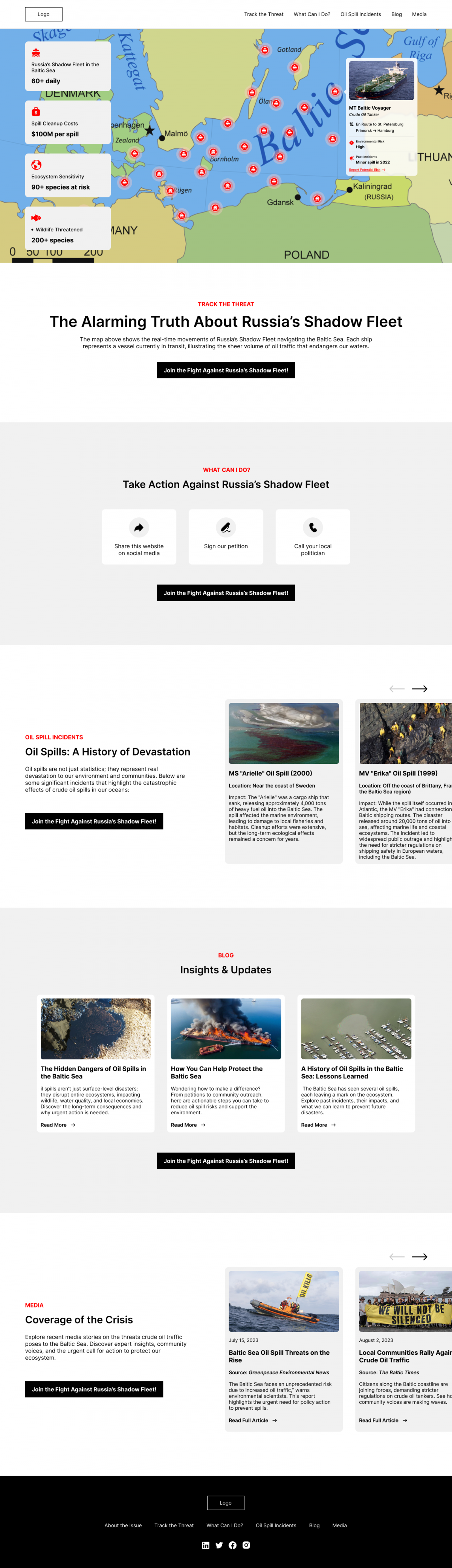
The central problem is not a lack of intent from the G7 or the European Union. The problem is a fundamental misunderstanding of how the "Shadow Fleet" operates. This is a massive, aging armada of tankers that exists entirely outside the reach of Western insurance and shipping services. In February alone, over 70% of Russian oil shipments were carried by these ghost ships. These vessels do not care about the $60 cap because they do not use the London-based insurers or the Greek shipping companies that the sanctions were designed to control.
The Ghost Infrastructure Behind the Numbers
To understand why the sanctions are failing, you have to look at the paperwork. Or the lack of it. When a tanker leaves Primorsk or Novorossiysk, it often lists its destination as "unknown" or "international waters." Mid-ocean, these ships engage in ship-to-ship (STS) transfers. A smaller tanker, often one that is thirty years old and should have been sold for scrap years ago, pulls up alongside a larger vessel. They pump the oil across. The paper trail vanishes into the salt air.
By the time that oil reaches a refinery in India or China, its origin is obscured. It has been blended, re-sold through a shell company in Dubai, and insured by a domestic Russian firm or a startup in a jurisdiction that views Western sanctions as a suggestion rather than a law. The cost of this evasion is a tax on the Kremlin, certainly. They pay more for freight and more for insurance than they would in a transparent market. But that "sanction tax" is currently estimated at about $10 to $12 per barrel—not enough to stop the tanks from rolling.
The India Loophole
India has become the primary laundry for Russian crude. In February 2026, Indian imports of Russian oil surged to record highs, making up nearly 40% of their total intake. The math is simple and brutal. India buys the crude at a slight discount, refines it into diesel and jet fuel, and then exports that refined product back to Europe.
European drivers are currently filling their tanks with fuel that started its life in a Siberian oil field. Because the product underwent "substantial transformation" in an Indian refinery, it is legally no longer Russian. This isn't a secret. It is a massive, glaring bypass that the G7 continues to ignore because the alternative—actually banning this fuel—would cause a price spike at the pump that Western politicians are too terrified to face.
The Failure of Enforcement
The price cap was built on the assumption that the West controlled the "chokepoints" of global trade: insurance, finance, and shipping. That was true in 1996. It is no longer true in 2026. The rise of non-Western financial hubs has allowed Russia to build a parallel universe of trade.
Enforcement is currently a game of whack-a-mole. The US Treasury Department periodically sanctions a specific tanker or a specific shell company. The result? The company dissolves on Tuesday and re-emerges on Wednesday under a different name with the same directors. The ship is renamed, repainted, and re-flagged to Gabon or the Cook Islands. The game continues.
If the West were serious about stopping the flow, they would need to target the ports and the coastal states that facilitate these STS transfers. But moving against a sovereign port in the Mediterranean or the South China Sea is a diplomatic nightmare that no one in Washington or Brussels is ready to start.
Why the Market is Complicit
Global oil markets hate a vacuum. If Russian oil were truly removed from the market, prices would likely jump to $120 or $150 a barrel. This would trigger a global recession. The hidden truth of the price cap is that it was designed to be leaky. It was meant to keep Russian oil flowing to prevent a price shock while merely trimming the profits.
The problem is that the Kremlin has optimized for this environment. They have shifted their entire budget to a war footing. High oil prices, even with the "sanction tax" deducted, are still providing enough liquidity to keep the military-industrial complex humming. The Russian Central Bank has proven remarkably adept at navigating these waters, using Yuan-denominated trade to settle debts and purchase the Western components they still need for their missiles.
The Environmental Time Bomb
There is a secondary crisis brewing that no one is talking about. The Shadow Fleet is a disaster waiting to happen. These are old ships, poorly maintained, often operating without valid P&I (Protection and Indemnity) insurance. They are sailing through the Danish Straits and the English Channel every day.
If one of these ghost tankers has a structural failure or a collision, there is no one to sue. There is no insurance company to pay for the cleanup. The coastal nations of Europe are essentially subsidizing the Russian oil trade by bearing the environmental risk of these decrepit vessels passing through their waters.
The Strategy of Attrition
The only way to actually break the Russian energy machine is to go after the tankers themselves, not just the money. This would require a "red line" policy on maritime safety. Any ship that cannot prove it has legitimate, Western-standard insurance should be barred from entering strategic waterways.
This would force the oil back into the light. It would force it back onto ships that are forced to comply with the price cap. But such a move would be interpreted by Moscow as a blockade, a word that carries heavy military connotations. So instead, the West sticks to the current plan: a complex web of rules that looks good on a press release but does very little to empty the Kremlin's pockets.
The February data shows a Russia that has adapted. They have built their own tankers, their own insurance firms, and their own banking networks. The sanctions are no longer a surprise; they are a baked-in cost of doing business. Until the G7 is willing to accept the pain of higher energy prices at home, the shadow fleet will continue to sail, and the Siberian crude will continue to power the global economy.
Track the individual hull numbers of the tankers currently loitering off the coast of Greece. That is where the war is being won and lost, one clandestine transfer at a time.