The switch clicks, but the room stays dark. It is a sound that has become the heartbeat of Havana. Click. Nothing. Click. Still nothing. In the sweltering humidity of a Caribbean night, the absence of a fan isn’t just an inconvenience; it is a weight that settles on your chest, making the air feel thick enough to swallow.
For Elena, a retired teacher living in a crumbling colonial-era apartment in Old Havana, the darkness is a thief. It steals the milk in her small refrigerator. It steals the evening news. It steals the very breath of the city, replacing the hum of life with a heavy, expectant silence. This is the reality of the Cuban energy crisis, a slow-motion collapse of a power grid that has seen better decades. It isn't just about volts and amps. It is about the dignity of a cold glass of water and the safety of a lit street corner.
The Long Shadow of the Embargo
The wires overhead are frayed, and the plants that feed them are tired. Most of Cuba’s thermoelectric plants are over forty years old, wheezing under the strain of constant use and a chronic lack of spare parts. To understand why the lights go out, you have to look north, toward the invisible wall of the United States trade embargo.
Sanctions are often discussed in the abstract, as if they are merely checkboxes on a diplomatic memo. In reality, they are the reason a technician in Matanzas cannot order a specific gasket for a turbine. They are the reason a tanker ship might hesitate to dock, fearing the legal repercussions of doing business with a "prohibited" island. When the fuel runs dry and the parts don't arrive, the grid falters.
Imagine trying to keep a 1950s Chevy running while someone has padlocked the local auto parts store and threatened to sue anyone who sells you oil. Now imagine that Chevy is the size of a country, and it’s responsible for keeping hospitals running and food fresh.
That is the tension. The high-stakes poker game played with the lives of eleven million people.
A Speck of White on the Horizon
Last week, the horizon changed.
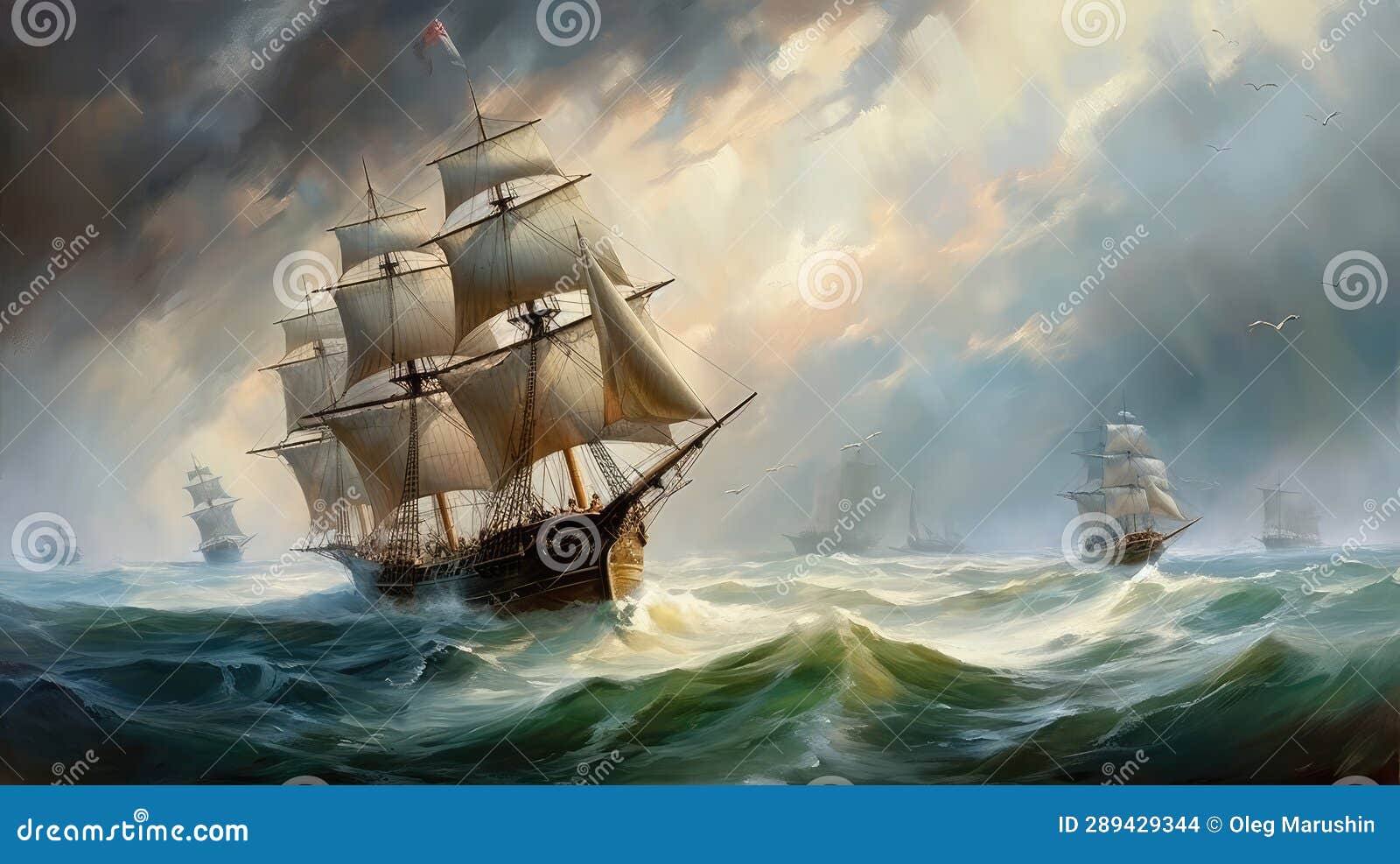
The Ocean Ace, a vessel laden with more than just cargo, broke the blue line of the Atlantic and eased toward the Cuban coast. It carried 1,500 tons of rice and, more importantly, the symbolic weight of international solidarity. Sent by a coalition of activists and international aid groups, the ship represents a crack in the wall.
On the docks, the air is different when a ship like this arrives. There is no ticker-tape parade, but there is a profound sense of relief that the world has not entirely looked away. The ship is a floating contradiction to the policy of isolation. It is a tangible reminder that while governments may bicker and enforce "maximum pressure," the human instinct to feed and provide remains stubbornly alive.
Consider the logistics of such a journey. Every mile the Ocean Ace traveled was a victory over bureaucracy. To move an aid flotilla into Cuban waters is to dance through a minefield of permits, Treasury Department regulations, and the constant threat of "secondary sanctions" that can blackball a shipping company from global ports.
The ship didn't just bring grain. It brought proof of concept.
The Invisible Stakes of a Flickering Bulb
When we talk about an "energy crisis," we tend to focus on the macro. We look at GDP figures, fuel tonnage, and diplomatic statements. But the real story is told in the micro.
It is told in the frantic pace of a mother trying to cook an entire week's worth of meat before the scheduled apagón—the blackout—begins. It is told in the eyes of a student studying by the orange glow of a single wax candle, the heat from the flame adding to the stifling air of a room without a breeze.
The energy crisis is an emotional tax. It creates a permanent state of anxiety. You learn to live your life in the intervals between the power cuts. You charge your phone whenever the outlet has juice, not because it’s low, but because you don't know when you’ll see a lightning bolt icon again.
The arrival of the flotilla is a reprieve, but it is also a mirror. it reflects the absurdity of a world where basic human needs—food, light, medicine—are used as levers in a geopolitical tug-of-war. The activists behind the shipment argue that no political disagreement justifies the forced darkness of an entire population. They see the energy crisis not as a failure of Cuban engineering, but as a deliberate outcome of a policy designed to make life unlivable.
The Anatomy of Solidarity
Why do people halfway across the world spend months fundraising for a ship they will never board, to deliver food to people they will never meet?
It’s not just politics. It’s an acknowledgment of shared vulnerability. The organizers of the flotilla understand a fundamental truth: a child’s hunger is the same in Havana as it is in New York or Madrid. By circumventing the traditional channels of trade and navigating the treacherous waters of the embargo, they are practicing a form of "people’s diplomacy."
This isn't about endorsing a government or a system. It is about a radical empathy that refuses to accept the "collateral damage" of sanctions. It is about the belief that a ship, even a small one, can be a middle finger to the status quo.
The Grid and the Soul
As the Ocean Ace is unloaded, the cranes move with a rhythmic certainty. Sack after sack of rice is moved into warehouses. It will find its way to the bodegas, the local ration stores, and eventually to the plates of people like Elena.
But the hunger for food is only matched by the hunger for stability.
Cuba has been experimenting with decentralized energy—solar farms, wind turbines, and small-scale generators. But these are drops in a bucket that has a massive hole in the bottom. Until the fundamental blockage of the embargo is addressed, the island will continue to flicker.
There is a specific kind of beauty in a Cuban evening when the power is on. The streets erupt. Music spills out of open windows. People sit on their stoops, talking loudly, laughing, reclaiming the night from the silence of the blackout. In those moments, you see the resilience of a culture that has learned to thrive in the gaps.
But resilience is an exhausting thing to maintain. It shouldn't have to be a permanent state of being.
The ship in the harbor is a beautiful sight, a white speck against the deep turquoise of the Caribbean. It represents hope, yes. It represents a meal for a family and a moment of global recognition. But it also serves as a haunting reminder of how much we have allowed the world to be divided, and how far we have to sail just to turn on a light.
Elena watches the news on a television that stays on for three hours straight. She sees the footage of the ship and the crates. She smiles, not just for the rice, but for the feeling that someone, somewhere, thought of her in the dark.
The sun sets over the Malecón, painting the spray of the waves in shades of gold and violet. For tonight, at least, the streetlights hum to life, and the shadows retreat. For tonight, the city breathes.