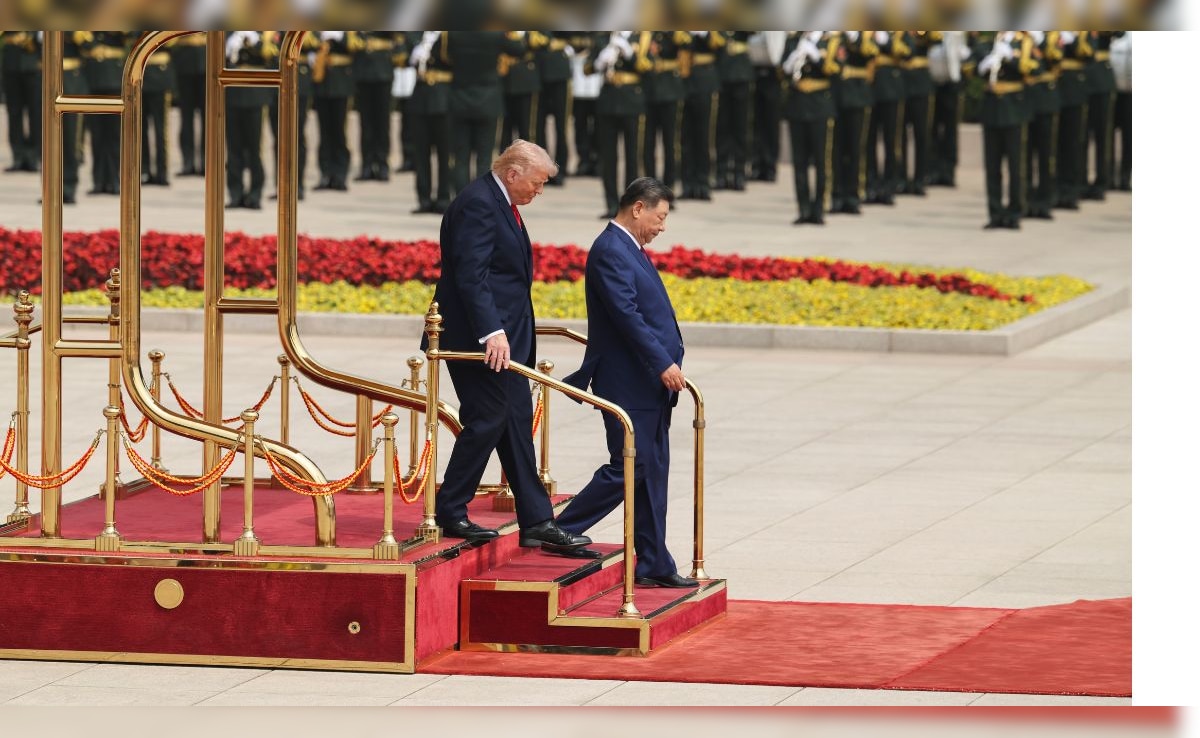
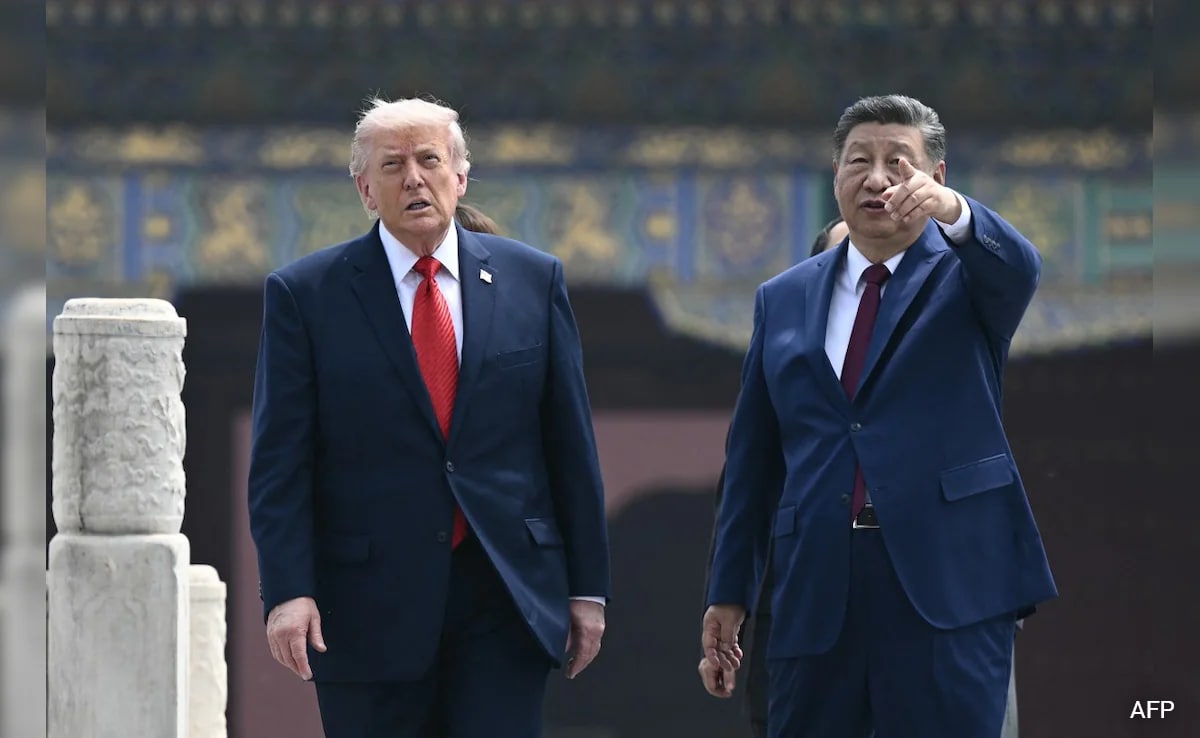
Donald Trump just touched down in Beijing, and if you're looking for a dry diplomatic briefing, you've come to the wrong place. This isn't about handshakes and lofty communiqués. It’s about a $11 billion arms deal, the price of your next electric vehicle battery, and a war in Iran that’s choking global energy. Trump didn't show up with just diplomats; he brought a literal "who’s who" of American tech and finance, including Elon Musk and Jensen Huang.
The optics are classic Trump. He’s already calling his relationship with Xi Jinping the "greatest ever." But don't let the flattery fool you. Behind the closed doors of the Great Hall of the People, the vibe is much more transactional. Trump needs a win before the November midterms, and Xi needs to stop the bleeding from a trade war that's hammered both economies.
The Taiwan Squeeze and the $11 Billion Question
Taiwan is the elephant in the room that’s actually sitting at the table. Xi was blunt. He told Trump that Taiwan is a "red line" that can’t be crossed. In diplomatic speak, that’s a threat. In reality, it’s a negotiation. Trump has been sitting on an $11 billion weapons package for Taipei since December.
Why hasn't he shipped it? Because he's using it as a massive bargaining chip.
Taipei is nervous. They should be. Trump has been vocal about his skepticism of "paying for other people's defense." If Xi offers enough on trade—maybe a massive purchase of American soybeans, LNG, and Boeing jets—that weapons package might just stay in the warehouse. It’s a high-stakes gamble with the world’s semiconductor supply chain at risk.
The CEO Contingent
- Elon Musk: Here to protect Tesla’s massive footprint in China and talk AI safety.
- Jensen Huang: Nvidia wants back in. They need the "green light" to sell more chips to Chinese firms without the hammer of export controls.
- Tim Cook: Apple’s supply chain diversification is moving, but they still need Beijing’s good graces to keep the iPhone machines humming.
The Iran Problem and the Strait of Hormuz
You can't talk about US-China relations in 2026 without talking about the war in Iran. The Strait of Hormuz is effectively closed, and oil prices are doing things that make 2022 look like the good old days. Trump wants Xi to use his influence in Tehran to de-escalate.
Xi has a bit of a "wait and see" attitude here. China has been stockpiling oil for years. They aren't feeling the immediate pain as sharply as the American consumer at the pump. But long-term? High energy costs kill Chinese exports. Xi wants stability, but he won't give it to Trump for free. He wants a rollback on tech restrictions. It's a "chips for peace" trade-off that the White House is currently mulling over.
Why the Busan Truce is Barely Holding
Last October, the two sides signed the "Busan Truce." It was a temporary band-aid. Washington cut some fentanyl-related tariffs, and Beijing promised to keep rare earth elements flowing. But that deal expires in November.
Trump wants a "Board of Trade" to oversee things. He’s tired of Beijing promising to buy American goods and then "forgetting" once the cameras are off. Xi, on the other hand, wants predictability. He’s dealing with a US Supreme Court that recently limited Trump’s power to slap on broad tariffs. For once, the Chinese side feels like they have the legal upper hand in American courts.
The AI Nuclear Risk Nobody is Talking About
While the news cycles focus on trade, there’s a quieter, scarier conversation happening. Both leaders are reportedly discussing the risks of AI in nuclear command and control. It turns out that when both sides are racing to automate their militaries, they both get a little jumpy about a "glitch" starting World War III.
It's one of the few areas where they actually agree. Neither wants an algorithm making the final call on a strike. Seeing these two "strongman" leaders agree on anything is rare, but the fear of a rogue AI seems to be the one thing that can actually bring Washington and Beijing together.
What Happens Next
If you're looking for a "reset," you won't find it. This is tactical stabilization. Both leaders are buying time. Trump needs to keep inflation down and farmers happy before the election. Xi needs to keep his tech industry from being choked out by US sanctions.
Watch for a few specific moves in the next 48 hours:
- Purchase Announcements: Look for big numbers on Boeing and agricultural products. This is the "optics" win for Trump.
- The Taiwan Silence: If Trump doesn't mention the $11 billion arms deal in his final remarks, it means he’s traded it for something big.
- Rare Earth Guarantees: Any extension of the Busan Truce regarding critical minerals is a win for the global tech sector.
The meeting isn't about friendship. It's a business merger between two companies that hate each other but realize they're too big to fail. Don't expect a new era of peace. Expect a new set of prices.
Check the latest export-import data for the "Board of Trade" announcements. If you're invested in tech or energy, your portfolio depends on how many "very good things" Musk and Huang actually secured in those side-room meetings. Keep an eye on the Taiwan weapons delivery schedule—it's the best barometer for how much Trump actually gave up.