The smoke from the February 28 US-Israeli strikes on Tehran hadn't even cleared before the inevitable question hit boardroom tables in Beijing. Is it time to pull the plug? For years, the West has looked at China’s 25-year, $400 billion "Deal of the Quarter Century" with Iran as a terrifying blueprint for an anti-Western axis. But after "Operation Epic Fury" literally decapitated the Iranian leadership—killing Supreme Leader Ayatollah Ali Khamenei and hammering critical infrastructure—the reality for China Inc. looks a lot less like a grand strategy and a lot more like a messy salvage operation.
If you think China is about to pack up and leave because things got loud, you're wrong. Beijing doesn't do panic exits. It does "strategic patience," which is basically a polite way of saying they'll sit in the rubble and wait for a discount. If you liked this article, you should check out: this related article.
The billion dollar ghost in the room
Let’s be real about the 25-year agreement signed back in 2021. On paper, it’s a massive commitment to energy, security, and infrastructure. In practice, it’s been a slow-motion rollout. Before the strikes, Chinese state-backed firms were already quietly bidding on everything from Tehran’s trade exhibitions to grid equipment and steel fabrication.
Records from early 2026 show that companies like Pinggao Electric—linked to China's State Grid—were moving ahead with mobile substation projects. Steel giants like Henan Fengbao were still processing Iranian iron ore. These aren't just "proposals." They’re active contracts. The strikes didn't just hit Iranian military targets; they hit the supply chains of Chinese provincial powerhouses like Zhejiang and Shaanxi. For another angle on this story, refer to the latest coverage from Financial Times.
The immediate reaction from the Chinese Foreign Ministry was classic. They condemned the strikes as a violation of international law but followed it up with a very specific request to the new Iranian interim leadership. Ensure the safety of Chinese citizens and keep the oil flowing. China imports roughly 80% of Iran’s oil. That’s not a relationship you just "delete" because of a regime change.
Why the "teapots" are staying put
While big state-owned enterprises (SOEs) might pause their high-profile projects to avoid the heat of renewed US sanctions, the "teapots" aren't going anywhere. These small, independent refineries in Shandong province are the backbone of China’s Iranian engagement. They thrive on risk because it comes with an $8 to $10 per barrel discount.
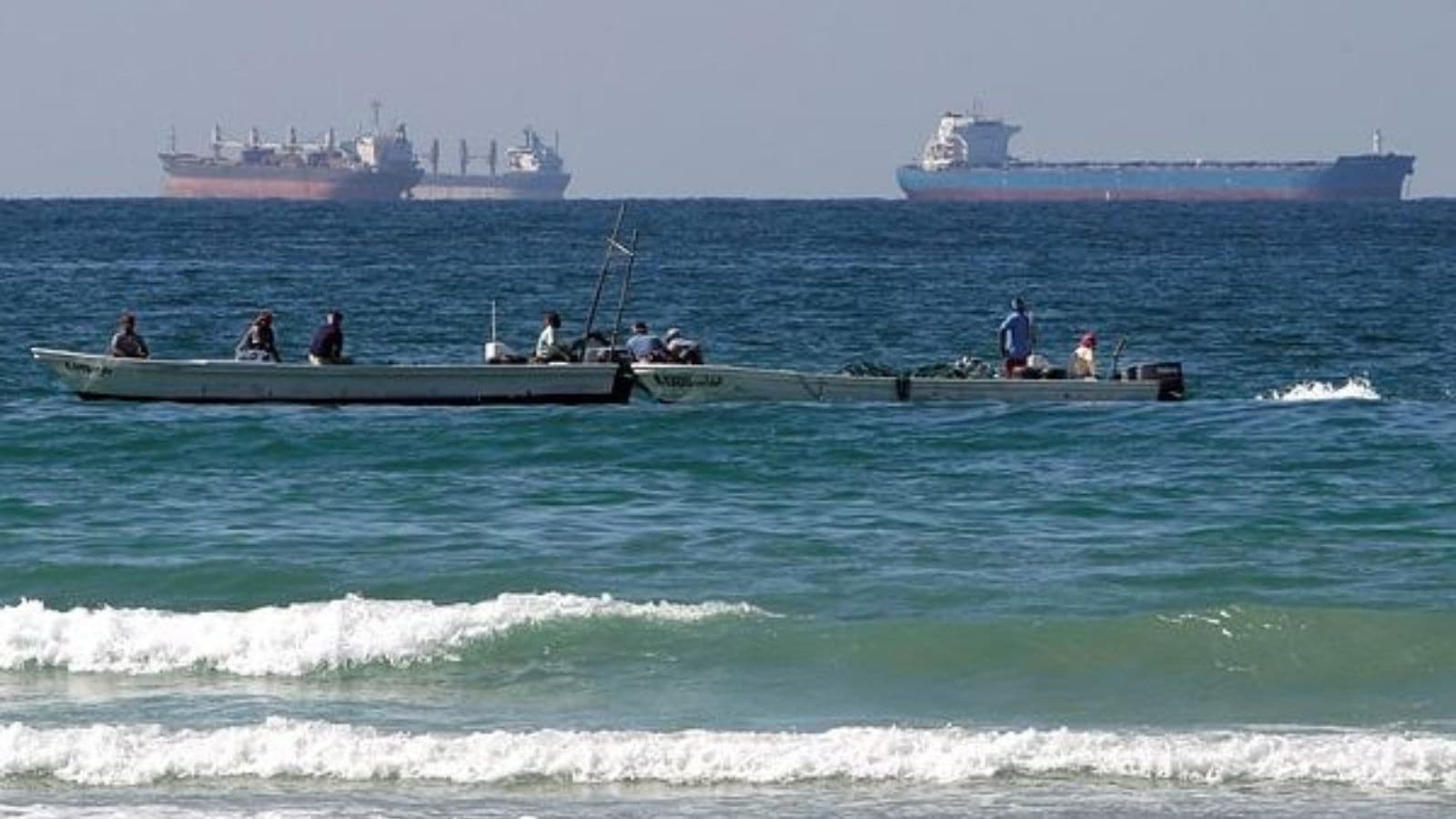
Last year, China’s crude imports hit a record 11.6 million barrels per day. About 15% of that came from sanctioned sources like Iran and Venezuela. The teapots don't care about the political "landscape" or whether the Strait of Hormuz is looking a bit twitchy. They care about margins. As long as Iran needs to sell oil to survive, and as long as they offer it at a price that makes the risk worth it, the "dark fleet" of tankers will keep moving.
The infrastructure trap
China’s Belt and Road Initiative (BRI) is often painted as a predatory masterstroke, but in Iran, it’s looking more like a hostage situation. Beijing has sunk too much political capital into the "Eastward Orientation" to let it fail now.
You’ve got projects like the East-West and North-South rail corridors that are supposed to link China to Europe through the Persian Gulf. If Iran collapses into total chaos, those projects become expensive monuments to bad timing. That’s why Wang Yi isn't just calling Tehran; he’s calling Oman, Saudi Arabia, and the UAE. China needs a stable Iran—even if it’s a weakened one—to protect the billions already committed to the region.
The real danger isn't the missiles. It’s the uncertainty of the transition. With Khamenei gone, the Islamic Revolutionary Guard Corps (IRGC) is the main entity safeguarding Chinese investments. Beijing is betting on the IRGC’s survival because, frankly, they’re the only ones left with the keys to the warehouses.
The myth of the Chinese exit
Some analysts are screaming that this is the end of Chinese influence in the Middle East. They point to the fact that China hasn't sent a carrier group or offered military aid. But that’s a fundamental misunderstanding of how China operates. They don't want to replace the US as the regional policeman. They want to be the regional landlord.
A weakened Iran is actually a more compliant partner for Beijing. Iran has nowhere else to go. Russia is tied down. The West is the one dropping the bombs. That leaves China as the sole provider of high-tech gear, 5G infrastructure, and a market for raw materials.
- Trade Imbalance: In 2024, Iran’s share of China’s total trade was a pathetic 0.02%.
- The Lifeline: China is the only reason the Iranian economy hasn't completely flatlined.
- The Pivot: Expect China to use this "weakness" to negotiate even better terms on future infrastructure projects.
If you’re waiting for a mass exodus of Chinese firms, don't hold your breath. They’ve already evacuated over 3,000 citizens, sure. That’s basic safety. But the corporate entities? They’re just moving the meetings to Zoom and waiting for the dust to settle.
What you should watch for next
If you're tracking this, stop looking at the diplomatic statements and start looking at the shipping data. Specifically, watch for "Malaysian" or "Indonesian" oil arrivals in Chinese ports. That’s the real barometer of the relationship.
Don't expect new, flashy $10 billion announcements anytime soon. Instead, look for quiet renewals of "data-sharing" agreements and "grid maintenance" contracts. The strategy now is to stay invisible while remaining indispensable. China isn't walking away from the 25-year deal; they're just rewriting the fine print while the building is on fire.
If you're an investor or a policy wonk, your next move is to monitor the Iranian interim council’s first meetings with Chinese diplomats. If they mention "consistency" and "adherence to existing frameworks," it means the money is still moving. China doesn't need Iran to be a superpower. They just need it to be an open gas station.
Keep an eye on the Strait of Hormuz. China has already warned Iran not to mess with shipping—specifically LNG from Qatar. If Iran stays away from the Strait, it's a sign that Beijing’s leash is still holding.