The ink on the two-week ceasefire agreement was barely dry before the explosions in Beirut and the shuttering of the world's most vital energy artery rendered the document a historical footnote.
On April 8, 2026, the United States and Iran signaled a fragile truce intended to halt a war that has redefined the geopolitical architecture of the Middle East since late February. Yet, within hours, the reality on the ground proved that a bilateral agreement between Washington and Tehran is not a regional peace. Israel, asserting that Lebanon was never part of the bargain, launched a "100 targets in 10 minutes" blitz that has left Beirut in a state of "Eternal Darkness." Simultaneously, the Islamic Revolutionary Guard Corps (IRGC) tightened its grip on the Strait of Hormuz, transforming a global commons into a private toll road.
The core premise of the ceasefire is failing because it treats the conflict as a simple two-party dispute when it is actually a multi-theater collapse. While Washington celebrates a diplomatic pause, the escalation in Lebanon and the maritime blockade in the Persian Gulf suggest that the war has merely entered a more complex, predatory phase.
The Lebanon Exception and the Beirut Blitz
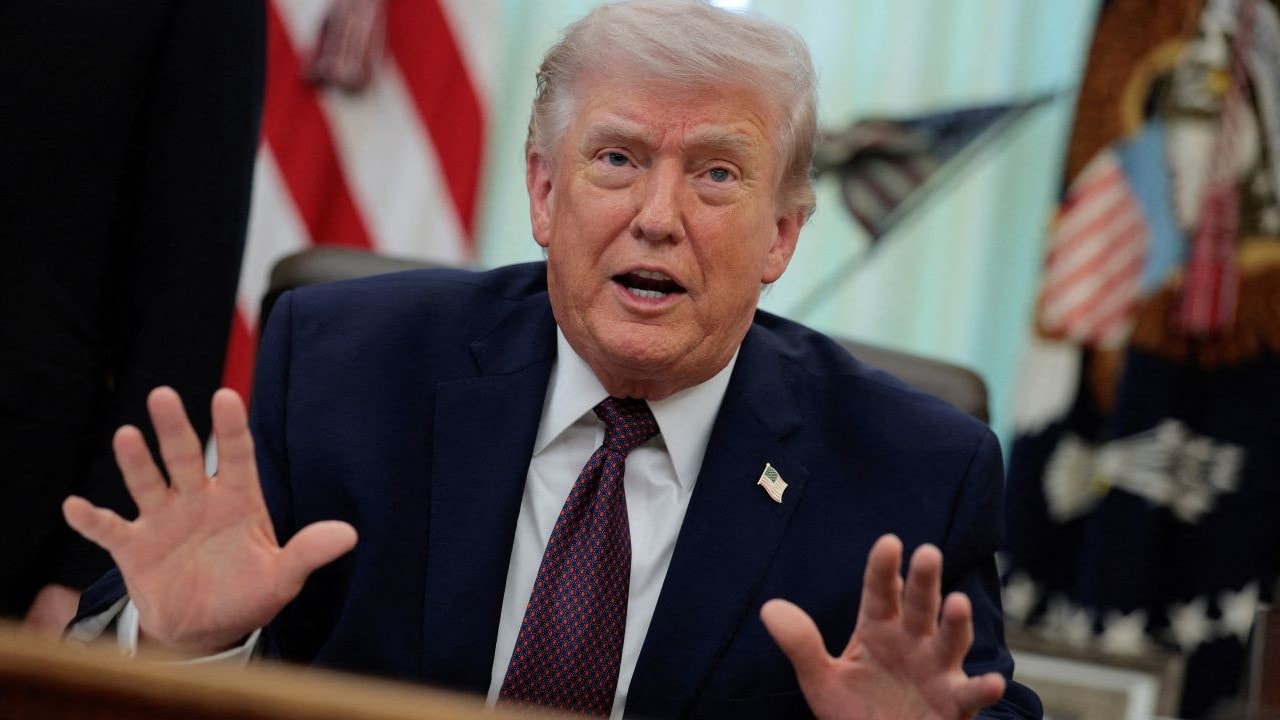
The central friction point is a fundamental disagreement over the scope of the truce. The White House, led by President Donald Trump and Vice President J.D. Vance, framed the ceasefire as a pause in the direct Iran-US-Israel war. However, Israeli Prime Minister Benjamin Netanyahu has been explicit: Lebanon is a separate front.
To the Israeli security establishment, the "Iran war" and the "Hezbollah war" are related but distinct. On Wednesday, even as diplomatic channels in Islamabad were being prepared for high-level talks, the IDF unleashed its most violent bombardment of the year. The strategy, according to Chief of Staff Lt. Gen. Eyal Zamir, is to "utilize every operational opportunity" to dismantle Hezbollah’s infrastructure while Iran’s hands are tied by the truce.
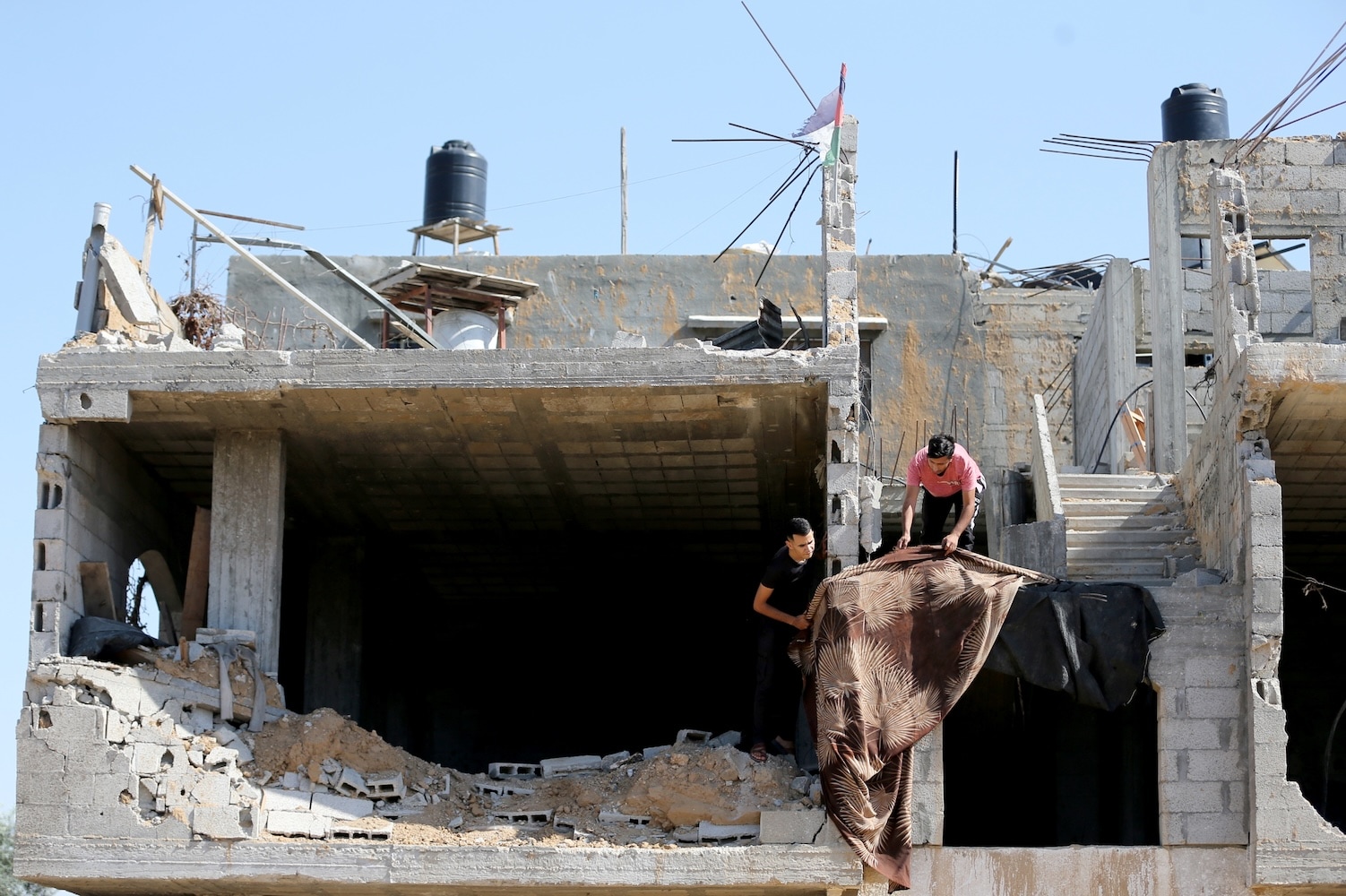
The human cost of this legalistic loophole is staggering. More than 182 people were killed in a single day of strikes, many in densely populated areas of Beirut. For the Lebanese government, which has spent the last month trying to distance itself from Hezbollah’s actions, the "Lebanon Exception" is a death sentence. By excluding Lebanon from the ceasefire, the mediators have effectively greenlit a scorched-earth campaign up to the Litani River, creating a humanitarian catastrophe that now displaces 20% of the country’s population.
The Hormuz Toll and the Death of International Waters
If the Lebanon strikes are the kinetic failure of the ceasefire, the situation in the Strait of Hormuz is the economic one.
Iran has effectively ended decades of maritime precedent by treating the strait as sovereign territory rather than an international waterway. Under the guise of "maritime safety" and the threat of sea mines, the IRGC has instituted a system of alternative routes. But the "safety" comes with a price tag. Reports indicate that a formal system of shipping fees is being negotiated, where Iran and Oman would collect revenue from every vessel transiting the channel.
This is not a reopening of the strait; it is a permanent annexation of global trade. The implications are profound:
- Energy Costs: Insurance rates for tankers have already spiked four to six times.
- Precedent: If Iran is permitted to charge "reconstruction fees" for passage, the concept of "Freedom of Navigation" in international law is dead.
- Regional Fallout: Gulf Arab states, particularly those whose oil fields have been targeted by Iranian drones, view these fees as a direct subsidy to the IRGC.
The Biden-era status quo of the strait is gone. In its place is a reality where the global economy pays a direct tax to Tehran to keep the lights on in Europe and Asia.
The Nuclear "Dust" Gamble
Beyond the immediate violence, the ceasefire rests on a high-stakes promise regarding Iran’s nuclear capabilities. The White House claims that Iran has agreed to turn over its stocks of enriched uranium—what President Trump has characterized as "removing the deeply buried nuclear dust."
This is the "why" behind the American push for a truce. The administration is betting that the threat of total obliteration, backed by the recent use of B-2 bombers against hardened Iranian sites, has finally forced Tehran to capitulate on its nuclear ambitions.
However, skepticism remains high. A version of the 10-point plan emerging in Farsi suggests Iran believes it can continue some level of enrichment. This discrepancy is more than a translation error; it is a calculated ambiguity that allows the Iranian leadership to save face domestically while buying time to repair the damage inflicted on their command structure and the "disfigured" Supreme Leader Mojtaba Ali Khamenei.
The Strategy of Managed Chaos
The current situation is not a "peace process" in any traditional sense. It is a period of managed chaos. Israel is using the window to finish its "security zone" in Southern Lebanon. Iran is using it to monetize the world's most important shipping lane. The United States is using it to claim a diplomatic victory and secure the removal of nuclear material.
The flaw in this strategy is the assumption that these actors can control the fire they have started. An explosion at the Lavan refinery and reports of strikes on Sirri Island—even after the ceasefire was announced—prove that the "Axis of Resistance" and the Israeli Air Force are operating on a hair-trigger.
If the talks in Islamabad, led by J.D. Vance, do not address the "Lebanon Exception" and the "Hormuz Toll," the two-week ceasefire will not be a bridge to peace. It will be the calm before a much larger, more destructive storm that the world is currently ill-equipped to weather.
The international community must decide if it is willing to trade the sovereignty of Lebanon and the freedom of the seas for a temporary, fragile nuclear concession. As it stands, the price of this peace is being paid in Lebanese lives and a permanent tax on the global economy.
Watch the ships in the Sea of Oman. If they start paying the toll, the old world order is officially over.